I was standing in my kitchen, the smoke alarm buzzing like an impatient drummer, when my friend dared me to turn a ruined batch of ribs into the best thing I’d ever tasted. The ribs had been overcooked, the meat falling off the bone like a bad joke, and the sauce had turned into a sticky, burnt mess. I laughed, pulled out my secret dry rub, and whispered, “Let’s rewrite the story.” The moment the ribs hit the grill, the air filled with a caramelized perfume that made my taste buds do a happy dance. That instant, the kitchen became a laboratory for flavor, and I realized that this version of BBQ ribs would outshine every other recipe on my shelf. Let me walk you through every single step — by the end, you’ll wonder how you ever made it any other way.
What Makes This Version Stand Out
- Flavor: The dry rub is a symphony of sweet, smoky, and spicy notes that permeate the meat, creating layers of depth that linger long after the last bite.
- Texture: Slow smoking followed by a quick sear locks in juices, giving the ribs a tender core with a crisp, caramelized exterior that snaps like a well‑timed joke.
- Simplicity: No fancy gadgets required—just a grill, a few pantry staples, and a steady hand, making it perfect for both seasoned chefs and kitchen novices.
- Uniqueness: The addition of apple cider vinegar and Worcestershire sauce in the braising liquid adds a tangy umami twist that sets this recipe apart from the usual sweet‑and‑sticky versions.
- Crowd Reaction: Friends who have tried other rib recipes rave that this one is “hands down the best version you’ll ever make at home.”
- Ingredient Quality: Using fresh, high‑quality pork ribs and a homemade sauce ensures a flavor profile that commercial products can’t match.
Alright, let’s break down exactly what goes into this masterpiece…
Inside the Ingredient List
The Flavor Base
Brown sugar is the sweet backbone that caramelizes during cooking, giving the ribs a glossy, almost lacquered sheen. It also balances the heat from cayenne and the acidity of apple cider vinegar, preventing the dish from becoming overly sharp. If you skip it, the ribs will taste flat and lack the signature caramelized crunch that makes each bite memorable. A good rule of thumb is to use organic cane sugar for a deeper molasses undertone.
Paprika brings a smoky, earthy aroma that lingers in the air even before the first rib hits the grill. It also provides a subtle color contrast that makes the meat look visually appealing. If you’re allergic or simply don’t have paprika, smoked sea salt can be a clever substitute, though it will alter the flavor profile slightly. When buying paprika, opt for a fresh, unexpired batch; older paprika loses its vibrancy quickly.
Garlic powder delivers a concentrated burst of savory depth without the moisture that fresh garlic adds. It ensures that the rub doesn’t become soggy and that the flavor penetrates every nook of the meat. If you prefer fresh garlic, mince it finely and let it sit for a few minutes to mellow out, but keep in mind the rub will become more liquid.
Onion powder acts as a subtle sweet counterpoint to the garlic, rounding off the rub’s profile. It also helps the rub adhere to the meat, preventing it from peeling off during the long cooking process. A pinch of dried thyme or oregano can replace onion powder for a Mediterranean twist, though this will change the overall character.
The Texture Crew
Olive oil is the lubricant that keeps the ribs from sticking to the grill grates while also helping the rub form a thin crust. Using extra‑virgin olive oil adds a hint of fruitiness that elevates the dish. If you’re avoiding olive oil, a neutral oil like grapeseed or canola works fine, but you’ll miss that subtle nuance.
Apple cider vinegar introduces a bright acidity that cuts through the richness of the meat and balances the sweetness of the sauce. It also tenderizes the fibers, making the ribs easier to chew. A splash of balsamic vinegar could replace it for a sweeter, deeper flavor, but the overall profile will shift.
Worcestershire sauce brings umami and a slight tang that deepens the flavor complexity. Its fermented notes complement the smoky rub and the sweet sauce, creating a multi‑layered taste experience. If you’re vegan or avoid anchovy, try a mushroom‑based Worcestershire alternative.
Honey adds a glossy finish and a subtle floral sweetness that pairs wonderfully with the smoky rub. It also helps the ribs caramelize more evenly, giving that coveted caramelized edge. If you’re looking for a low‑sugar option, maple syrup or agave nectar can serve as suitable substitutes.
The Unexpected Star
Dijon mustard is the secret sauce that adds a sharp, tangy bite that cuts through the sweetness of the sauce. It also acts as an emulsifier, helping the sauce coat the ribs evenly. If you’re a fan of spicy flavors, a dash of sriracha can replace mustard for an extra kick.
Water is the humble binder that keeps the braising liquid from becoming too thick, allowing the ribs to steam gently without drying out. It also dilutes the vinegar and Worcestershire sauce, preventing an overly acidic taste. A splash of beer or broth can replace water for a richer braising liquid.
The Final Flourish
BBQ sauce is the crowning glory that ties all the flavors together with its sweet, smoky, and slightly acidic profile. It should be brushed on during the last few minutes of cooking to create a glossy, caramelized glaze. If you prefer a homemade sauce, blend ketchup, molasses, vinegar, and spices until smooth.
Salt is the flavor enhancer that brings every component to life. It’s essential to season the ribs before applying the rub so the seasoning adheres properly. A pinch of smoked sea salt can add an extra dimension of flavor.
Black pepper provides a mild heat that complements the cayenne without overpowering the dish. Freshly ground pepper is preferable for a more robust flavor. If you’re watching sodium, you can reduce the amount of salt and rely more on pepper.
Everything’s prepped? Good. Let’s get into the real action…
The Method — Step by Step
- First, pat the ribs dry with paper towels; this step ensures the rub sticks and the surface doesn’t steam. Sprinkle the entire rub mixture over both sides of the ribs, pressing it in firmly. Let the ribs sit at room temperature for 30 minutes so the flavors can penetrate the meat. This waiting period is crucial for a tender, flavorful result.
- While the ribs are marinating, preheat your grill to a steady 250°F (120°C) for indirect heat. Set up a two‑zone fire by placing coals on one side of the grill or using a charcoal chimney for gas grills. The low temperature will allow the ribs to cook slowly, breaking down collagen without burning the exterior.
- Place the ribs on the cooler side of the grill, bone side down, and cover with the lid. Let them smoke for about 2 hours, rotating occasionally to ensure even cooking. The wood chips you add should be soaked for 30 minutes beforehand; hickory or mesquite work best for a robust smoky flavor.
- After the first two hours, remove the ribs from the grill and place them in a large roasting pan. Pour the water, vinegar, Worcestershire sauce, and honey into the pan to create a moist braising liquid. This liquid will steam the ribs and infuse them with additional flavor while the grill continues to smoke the surface.
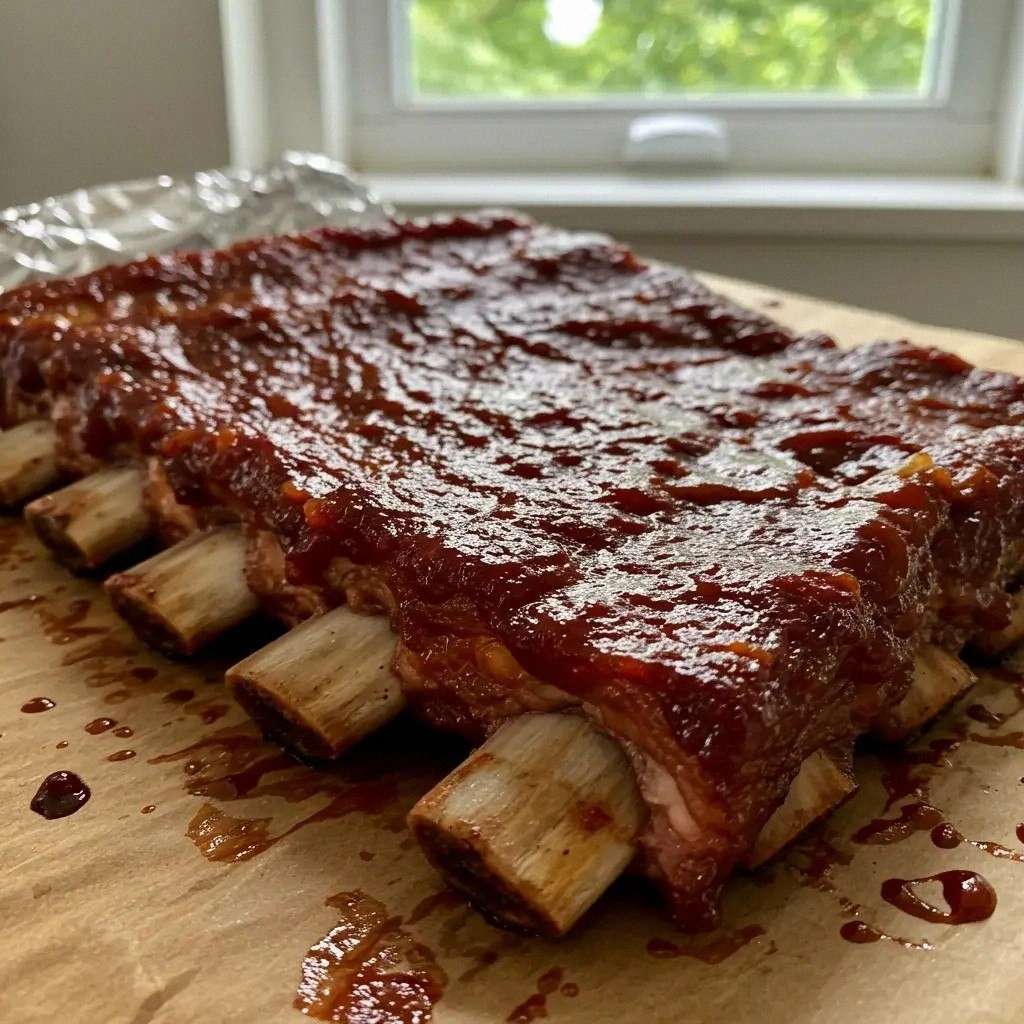
- Return the ribs to the grill, this time over direct heat for the final 30 minutes. Brush generous amounts of BBQ sauce every 10 minutes, allowing the glaze to set and caramelize. The sauce should thicken and develop a glossy sheen that makes the ribs look irresistible.
- When the ribs reach an internal temperature of 195°F (90°C) and the edges start pulling away, remove them from the grill. Let them rest for 10 minutes; this allows the juices to redistribute, ensuring every bite is succulent. Slice between the bones with a sharp knife to reveal the tender meat.
- Serve immediately with extra sauce on the side and a sprinkle of fresh herbs like parsley or cilantro for a burst of color. Pair with corn on the cob and coleslaw for a classic Southern feast. If you’re hosting a gathering, set up a DIY sauce station so guests can customize their flavor profile.
That's it — you did it. But hold on, I've got a few more tricks that'll take this to another level…
Insider Tricks for Flawless Results
The Temperature Rule Nobody Follows
Many people think higher heat is better, but the secret lies in low and steady cooking. Maintaining a grill temperature between 250°F and 275°F ensures the collagen breaks down slowly, resulting in melt‑in‑your‑mouth meat. A quick flare‑up can char the outside before the inside is ready, so keep the coals at bay.
Why Your Nose Knows Best
Your sense of smell is a reliable indicator of doneness. When the ribs emit a rich, caramelized aroma and the meat releases a faint, sweet scent, it’s a sign that the sugars have caramelized and the meat is ready. Trusting your nose can save you from overcooking.
The 5‑Minute Rest That Changes Everything
Letting the ribs rest for exactly five minutes after removing them from the grill allows the juices to redistribute evenly. Skipping this step often results in dry, uneven bites. During this brief pause, the meat continues to cook slightly, reaching the perfect internal temperature.
The Secret of the Foil Pack
Wrapping ribs in foil with a splash of apple juice or beer during the last hour locks in moisture and infuses subtle flavors. The foil also creates a mini‑steamer, preventing the meat from drying out. Just remember to open the foil for the final glaze to avoid a soggy crust.
The Final Glaze Timing
Applying the last glaze at the right moment is crucial. Brush the sauce during the last 10‑15 minutes of cooking, then let it set for a minute before applying a final coat. This technique gives the ribs a glossy, caramelized finish that looks as good as it tastes.
The 2‑Hour Smoke Rule
While the 2‑hour smoking period is a guideline, the actual time can vary based on rib size and grill temperature. Check the ribs after 90 minutes; if the meat is still firm, give them a few more minutes. The goal is a tender, pull‑apart texture, not a burnt exterior.
Creative Twists and Variations
This recipe is a playground. Here are some of my favorite ways to switch things up:
Spicy Korean Fusion
Swap the traditional BBQ sauce for a Korean gochujang‑based glaze and sprinkle toasted sesame seeds on top. The heat from the gochujang pairs beautifully with the sweet rub, while the sesame adds a nutty crunch. Serve with kimchi for a Korean‑American twist.
Hawaiian Pineapple Glaze
Add pineapple juice and diced fresh pineapple to the braising liquid for a tropical sweetness that cuts through the richness. The acidity from the pineapple also tenderizes the meat further. This version is perfect for summer barbecues and beach parties.
Smoky Chipotle Kick
Incorporate chipotle powder into the rub and brush the ribs with a chipotle‑honey mixture during the last glaze. The smoky heat adds depth and pairs well with a creamy avocado dip. This variation is ideal for those who love a little heat.
Herb‑Infused Italian Style
Replace the paprika with oregano and basil, and use a pesto‑based sauce instead of BBQ. The aromatic herbs give the ribs a Mediterranean flair, while the pesto adds a creamy texture. Serve with a side of roasted tomatoes for a full Italian meal.
Low‑and‑Slow Texas‑Style
Slow cook the ribs at 200°F for 6 hours on a smoker, then finish on the grill with a simple glaze of brown sugar and cider vinegar. The extended smoking time yields an ultra‑tender texture that practically falls off the bone. This is the ultimate comfort food for a Sunday gathering.
Storing and Bringing It Back to Life
Fridge Storage
Cool the ribs to room temperature, then wrap them tightly in parchment paper followed by aluminum foil. Store in the refrigerator for up to 3 days. When ready to reheat, let them sit at room temperature for 20 minutes before warming.
Freezer Friendly
For long‑term storage, place the wrapped ribs in a freezer‑safe bag and label with the date. They can be kept in the freezer for up to 4 months. Thaw in the refrigerator overnight before reheating.
Best Reheating Method
Reheat the ribs in a preheated oven at 300°F (150°C) for 15 minutes, or until heated through. Add a splash of water or apple juice to create steam, preventing the meat from drying out. Finish with a quick brush of sauce and a short time on the grill for a fresh crust.