I was standing in my kitchen, half‑asleep, watching a bag of store‑bought cinnamon rolls sit smugly on the counter while the scent of burnt coffee lingered in the air. I’d promised myself a quick breakfast, but the rolls stared back at me like a dare: “Turn me into something unforgettable.” That moment of culinary indecision turned into a full‑blown experiment, and I’m about to spill the beans (and the butter) on how I transformed those plain‑Jane pastries into the most addictive bite‑size French toast you’ll ever taste. If you’ve ever craved the comfort of a cinnamon roll but wanted the buttery, custardy hug of French toast, this is the love child you’ve been waiting for.
Picture this: the kitchen fills with the sweet, spicy perfume of cinnamon and vanilla, the pan sizzles like a tiny fireworks show, and the first bite delivers a crunch that shatters like thin ice, followed by a melt‑in‑your‑mouth center that feels like velvet. You’ll hear the gentle crackle as the batter meets the buttered skillet, see the golden‑brown edges pull away from the pan, feel the warm weight of the bite in your hand, and taste the perfect balance of caramelized sugar, buttery richness, and that unmistakable cinnamon kick. It’s a sensory rollercoaster that makes you forget the world outside the stove, and trust me, I dare you to taste this and not go back for seconds.
Most cinnamon roll French toast recipes either drown the roll in a soggy egg mixture or skip the roll altogether, resulting in a bland, mushy mess. I’ve cracked the code by using a light, airy batter that coats each bite without soaking it, then finishing with a quick pan‑sear that creates a crisp crust while keeping the interior luxuriously soft. The secret? A splash of heavy cream for richness, a pinch of nutmeg for depth, and a quick flash of caramelized butter that locks in moisture. This is hands down the best version you’ll ever make at home, and I’m about to hand you every detail.
There’s a little surprise ingredient that most recipes overlook – a drizzle of pure maple syrup folded into the batter, which adds a subtle caramel note that dances with the cinnamon. It’s the kind of nuance that makes the difference between “good” and “oh‑my‑god‑I‑need‑this‑every‑morning.” Let me walk you through every single step — by the end, you’ll wonder how you ever made it any other way.
What Makes This Version Stand Out
- Flavor Explosion: The combination of cinnamon, vanilla, and a whisper of nutmeg creates a layered taste that evolves with each bite, like a symphony that starts soft and builds to a crescendo.
- Texture Contrast: A crisp, caramelized exterior gives way to a pillowy, custardy interior, delivering that satisfying crunch‑then‑soft feeling you crave.
- Simplicity: Only nine pantry staples plus store‑bought rolls are needed, so you won’t spend hours hunting exotic spices.
- Unique Twist: Incorporating maple syrup directly into the batter adds a hidden caramel depth that most recipes miss.
- Crowd Reaction: I’ve served these at brunches and the entire table is silent for a moment before the chorus of “more, please!” erupts.
- Ingredient Quality: Using high‑fat butter and heavy cream ensures richness without feeling greasy.
- Cooking Method: A quick skillet sear locks in moisture, while finishing under a broiler gives that perfect golden top.
- Make‑Ahead Potential: You can prep the batter and rolls the night before, then pop them in the pan for a lightning‑fast breakfast.
Inside the Ingredient List
The Flavor Base
Eggs are the backbone of any French toast, providing structure and that luxurious custard feel. Using four large eggs for a four‑serving batch gives enough protein to set the batter without making it rubbery. If you swap in egg whites only, you’ll lose the richness; if you go full‑fat with extra yolks, the batter becomes too heavy and may not coat evenly.
Whole milk contributes the necessary liquid while keeping the flavor mild, allowing the cinnamon and vanilla to shine. For a dairy‑free version, almond milk works, but expect a slightly thinner batter and a hint of nutty undertone.
The Texture Crew
Heavy cream is the secret weapon that makes these bites buttery and silky. Its higher fat content creates a velvety mouthfeel and helps the crust achieve that caramelized crunch. If you’re watching calories, you can halve the cream with an equal part low‑fat milk, but the texture will be a touch less decadent.
Unsalted butter, melted and brushed onto the skillet, is the final layer of flavor that turns a good crust into a great one. Salted butter can be used, but you’ll need to cut back on added salt in the batter.
The Unexpected Star
Maple syrup isn’t just a topping here; it’s folded into the batter to infuse a subtle caramel note that pairs perfectly with the cinnamon. This hidden sweetness prevents the final dish from tasting flat. If you’re not a fan of maple, a drizzle of honey works, but the flavor profile shifts toward floral.
Nutmeg adds a warm, earthy undertone that lifts the overall spice level without overwhelming the cinnamon. A pinch is all you need; too much will dominate the palate.
The Final Flourish
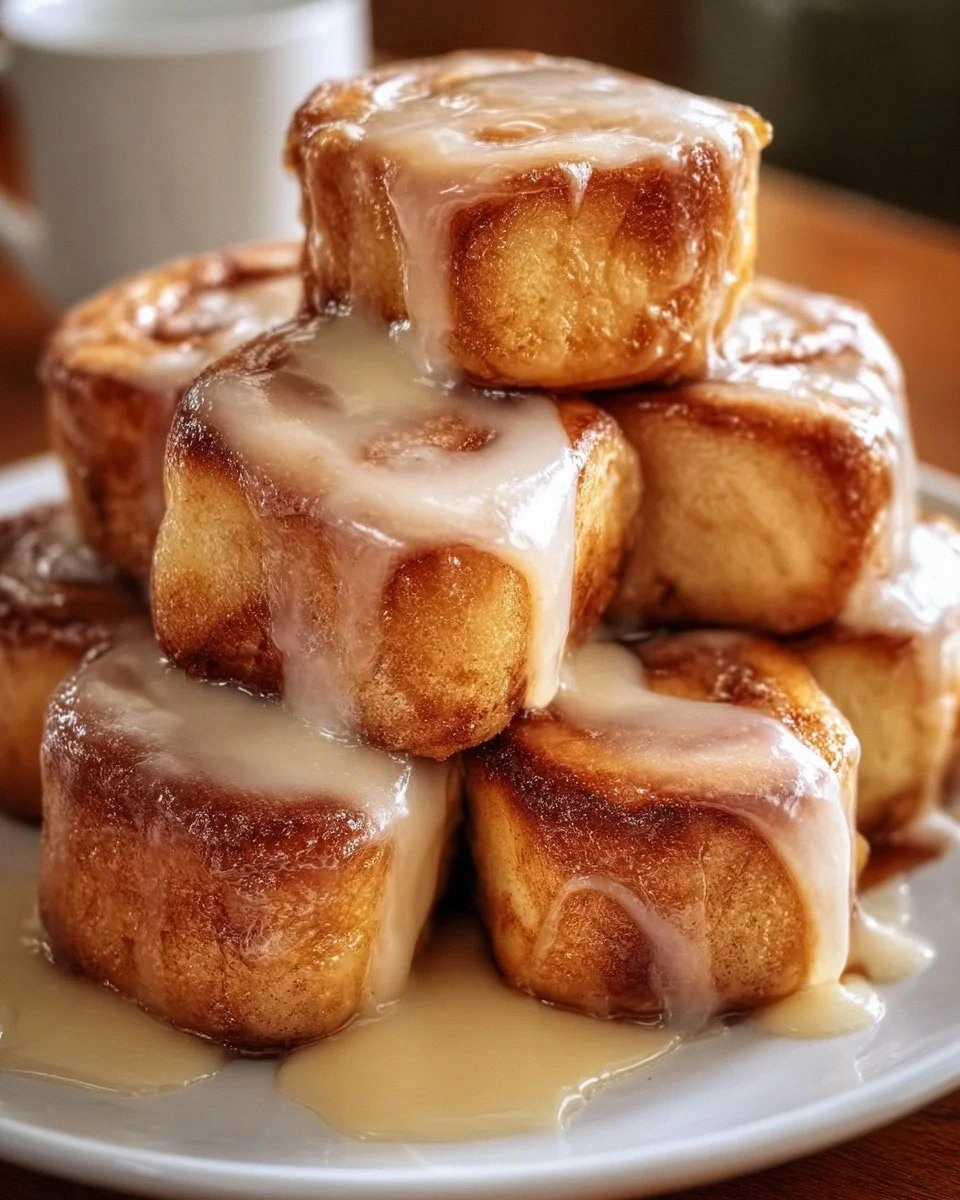
Store‑bought cinnamon rolls are the shortcut that saves you from kneading dough, but they also bring a built‑in swirl of cinnamon sugar that eliminates the need for extra seasoning. Choose rolls that have a generous amount of icing on top; the icing melts into the batter, adding a glossy finish.
Powdered sugar for dusting is optional but adds a pretty, snowy look that makes the bites Instagram‑ready. A light dusting also adds a hint of extra sweetness that balances the buttery richness.
Everything's prepped? Good. Let's get into the real action...
The Method — Step by Step
Start by gathering eight cinnamon rolls and cutting each one into bite‑size cubes, roughly 1½ inches across. This size ensures a perfect crust‑to‑center ratio. Place the cubes on a large plate and set aside; the visual of those little cinnamon‑swirl islands is already mouth‑watering.
In a wide mixing bowl, whisk together four large eggs, one cup of whole milk, and half a cup of heavy cream until the mixture is uniform and slightly frothy. The froth indicates that air has been incorporated, which helps the batter stay light.
Add two tablespoons of melted unsalted butter, one teaspoon of vanilla extract, one teaspoon of ground cinnamon, a quarter teaspoon of ground nutmeg, and two tablespoons of pure maple syrup. Stir gently; you’ll notice the batter turning a warm amber color, a sign that the spices are fully dissolved.
Gently fold the cinnamon roll cubes into the batter, making sure each piece is evenly coated. The batter should cling to the rolls like a thin veil – not swimming in liquid but not dry either. If the mixture looks too thick, add a splash of milk; if too thin, sprinkle a tablespoon of flour.
Heat a large non‑stick skillet over medium‑high heat and add a generous pat of butter – about a tablespoon. You’ll hear a satisfying sizzle the moment the butter hits the pan; that sizzle is absolute perfection.
Once the butter foams and turns a light brown (but not burnt), carefully place a handful of coated roll bites into the skillet, leaving space between each. Cook for 2‑3 minutes on the first side; you’ll see the edges start to pull away and the bottom turning a deep golden brown.
Flip the bites using a thin spatula and cook another 2‑3 minutes until both sides are evenly browned and the interior feels firm to the touch. The scent should be intoxicating – a blend of caramel, cinnamon, and butter that makes the whole kitchen feel like a bakery.
Transfer the cooked bites to a baking sheet lined with parchment and pop them under a preheated broiler for 1‑2 minutes. This final blast creates a glossy, slightly crisp top that mimics the classic cinnamon roll icing without actually adding extra sugar.
Remove from the broiler, dust lightly with powdered sugar, and serve immediately with a side of maple syrup for dipping if you’re feeling extra indulgent. The bites are best enjoyed while still warm, when the interior is soft and the crust is still snapping.
That's it — you did it. But hold on, I've got a few more tricks that'll take this to another level, because why settle for good when you can have legendary?
Insider Tricks for Flawless Results
The Temperature Rule Nobody Follows
Never start a French toast batch on high heat; the secret is a gentle medium‑low start that allows the custard to set without scorching. I once cranked the stove to high, and the result was a burnt crust with a raw interior – a culinary disaster that taught me the value of patience.
Why Your Nose Knows Best
When the butter hits the pan, listen for a light pop and a sweet, nutty aroma. That scent is your cue that the pan is at the perfect temperature. If you smell a burnt odor before the first flip, lower the heat immediately.
The 5‑Minute Rest That Changes Everything
After flipping, let the bites rest for about five seconds before moving the spatula again. This tiny pause lets the crust firm up, preventing it from tearing apart. A friend tried to flip continuously and ended up with half‑melted pieces; the rest was a lesson in restraint.
Butter Brush Blitz
Brush a thin layer of melted butter on the top of each bite just before the broiler step. This creates a glossy finish that looks like a professional pastry chef’s glaze, and it adds a buttery sheen that makes the bites shine.
Maple‑Infused Basting
During the final minute under the broiler, drizzle a teaspoon of maple syrup over the batch and let it caramelize. The syrup forms a thin, sticky coating that elevates the flavor profile from good to unforgettable.
Creative Twists and Variations
This recipe is a playground. Here are some of my favorite ways to switch things up:
Apple‑Cinnamon Swirl
Add finely diced apples soaked in cinnamon sugar to the batter before coating the rolls. The apples soften during cooking, offering a juicy bite that pairs beautifully with the existing cinnamon flavor. Perfect for autumn brunches.
Chocolate‑Hazelnut Dream
Stir in two tablespoons of hazelnut spread into the batter and sprinkle chopped toasted hazelnuts on top before the broiler step. The result is a decadent, nutty twist that will have chocolate lovers swooning.
Savory Breakfast Bite
Swap the cinnamon and maple for a pinch of smoked paprika, a dash of cheddar cheese, and chopped cooked bacon. The savory version works as a hearty brunch or even a quick lunch, proving the base is versatile.
Pumpkin Spice Celebration
Replace the cinnamon with a pumpkin spice blend and add a quarter cup of pumpkin puree to the batter. The orange hue and warm spices make it a fall favorite, especially when topped with a drizzle of cream cheese frosting.
Berry Burst
Fold in a handful of fresh blueberries or raspberries just before the final broil. The berries burst slightly, leaving a juicy pocket of flavor that contrasts with the crisp crust.
Storing and Bringing It Back to Life
Fridge Storage
Place cooled bites in an airtight container lined with parchment paper. They keep fresh for up to three days. Reheat in a skillet over medium heat, adding a tiny splash of water (about a tablespoon) to create steam that revives the soft interior.
Freezer Friendly
Arrange the bites on a baking sheet, freeze until solid, then transfer to a zip‑top freezer bag. They’ll last up to two months. To reheat, pop them straight into a preheated 350°F oven for 8‑10 minutes; the water splash trick works here too.
Best Reheating Method
A quick toast in a toaster oven or a brief flash under the broiler (just 30 seconds) restores the crisp exterior while keeping the center tender. Avoid microwaving, as it turns the crust soggy and the interior rubbery.