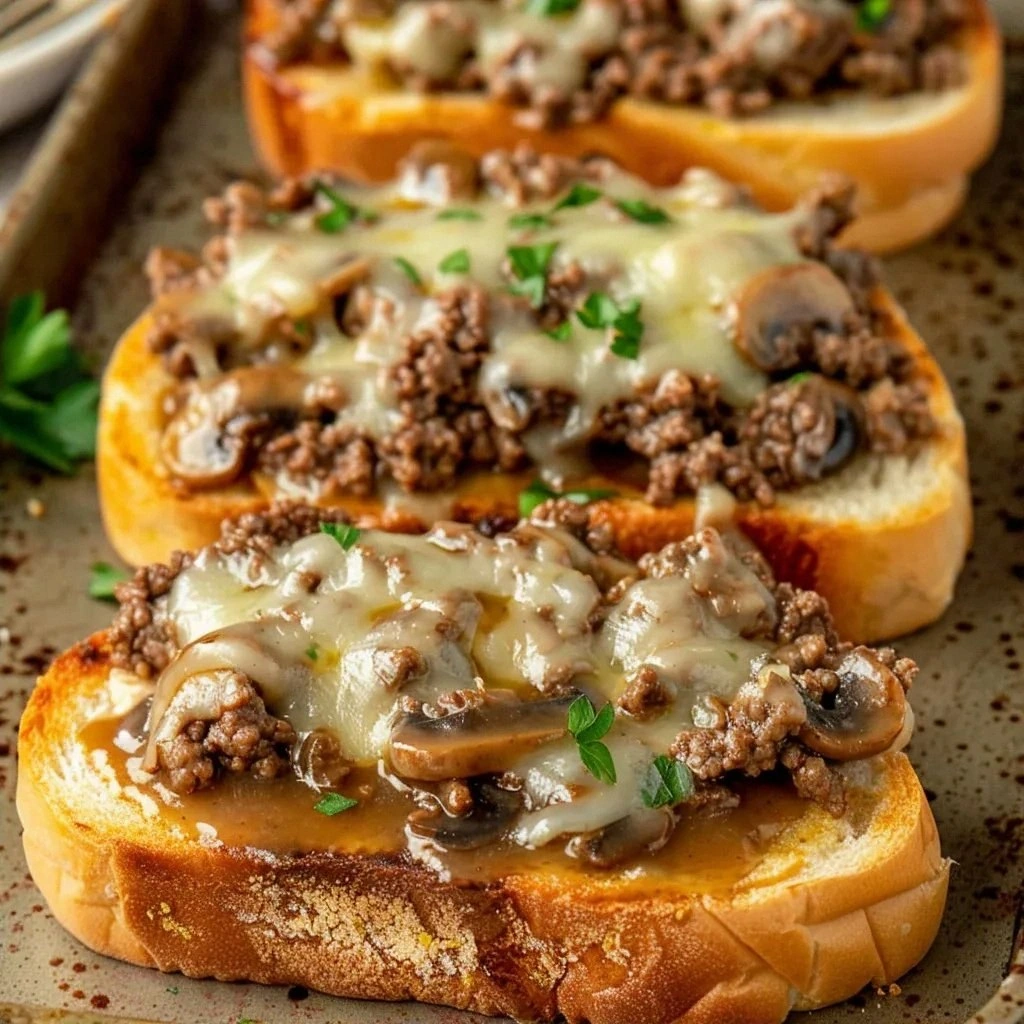
Picture this: a cramped kitchen, the stove humming, and a bowl of ground beef that has been sitting on the counter too long. I was about to toss it into the trash when my roommate shouted, “We need something fast, something that tastes like a fancy restaurant, and we only have eggs left.” That moment of culinary desperation turned into a revelation. I pulled out soy sauce, a splash of oyster sauce, and a handful of eggs, and what followed was a sizzling, fragrant dance of flavors that would become my signature Cantonese Ground Beef and Eggs.
The first thing you notice is the aroma—rich, umami-packed, with a subtle sweetness that wafts from the pan, inviting you to stay. The sizzling sound is unmistakable, like a small drumbeat that tells you the beef is browning just right. The texture is a delightful contrast: the beef is tender yet slightly crisp on the edges, and the eggs form silky ribbons that coat the meat like velvet. Every bite delivers a burst of savory depth, balanced by a hint of sweetness, and the final touch of sesame oil gives it a warm, nutty finish that lingers on the palate.
What sets this version apart from the countless variations you’ll find online is its meticulous layering of sauces and the strategic use of aromatics. I dare you to taste this and not go back for seconds; the harmony of soy, oyster, and a touch of sugar creates a flavor profile that feels both comforting and sophisticated. Most recipes get this completely wrong by overcooking the eggs or drowning the beef in sauce, but here every element sings in perfect unison. I’ll be honest—once I made the first batch, I ate half before anyone else even got a taste. That’s proof that this recipe works.
Now, let’s dive into the details. I’ll walk you through every single step—from selecting the best ground beef to achieving that silky egg coating that makes the dish unforgettable. By the end, you’ll wonder how you ever made it any other way. So grab your skillet, set your timer, and let’s get cooking.
What Makes This Version Stand Out
- Flavor Depth: The combination of soy sauce, oyster sauce, and a whisper of sugar creates a balanced umami-sweetness that elevates the dish from simple stir-fry to a restaurant‑quality experience.
- Texture Play: The beef is cooked to a golden crisp on the edges while remaining juicy inside, and the eggs form silky ribbons that cling to every bite.
- Simplicity: With only a handful of pantry staples, you can whip up a gourmet‑style plate in under 30 minutes—perfect for busy weeknights.
- Ingredient Quality: Using fresh ginger, minced garlic, and scallions brings bright, aromatic notes that cut through the richness of the beef.
- Make‑Ahead Friendly: The dish can be prepared ahead of time and reheated with a splash of water, preserving the texture and flavor.
- Versatility: Swap in tofu, shrimp, or even pork for a different protein twist without losing the core flavor profile.
Inside the Ingredient List
The Flavor Base
At the heart of this dish are the sauces that build its signature umami. Soy sauce provides the salty backbone, while oyster sauce adds depth and a subtle brininess. A touch of sugar balances the savory notes, preventing the sauce from feeling overly salty. If you’re watching sodium, you can substitute low‑sodium soy sauce, but be sure to taste and adjust the sweetness accordingly.
The Texture Crew
Ground beef is the star, but its texture depends on how you cook it. Use a lean cut like sirloin or a mix of sirloin and chuck for the best balance of flavor and fat. The eggs, beaten lightly, create silky ribbons that coat the beef. The addition of a teaspoon of cornstarch, mixed with a tablespoon of water, helps the sauce thicken and adhere to the proteins, giving the dish a satisfying mouthfeel.
The Unexpected Star
Fresh ginger and minced garlic aren’t just aromatics; they punch through the richness of the beef and add a bright, zesty undertone that keeps the dish from feeling heavy. Scallions, sliced into rings, provide a subtle crunch and a fresh, oniony finish. If you can’t find scallions, thinly sliced green onions or even a sprinkle of chives will do the trick.
The Final Flourish
A splash of sesame oil at the end of cooking adds a nutty aroma that elevates the dish. The final garnish of chopped scallions or cilantro not only brightens the plate visually but also adds a fresh herbal note that complements the savory base. If you prefer a bit of heat, a pinch of red pepper flakes can be tossed in during the last minute of cooking.
Everything's prepped? Good. Let's get into the real action.
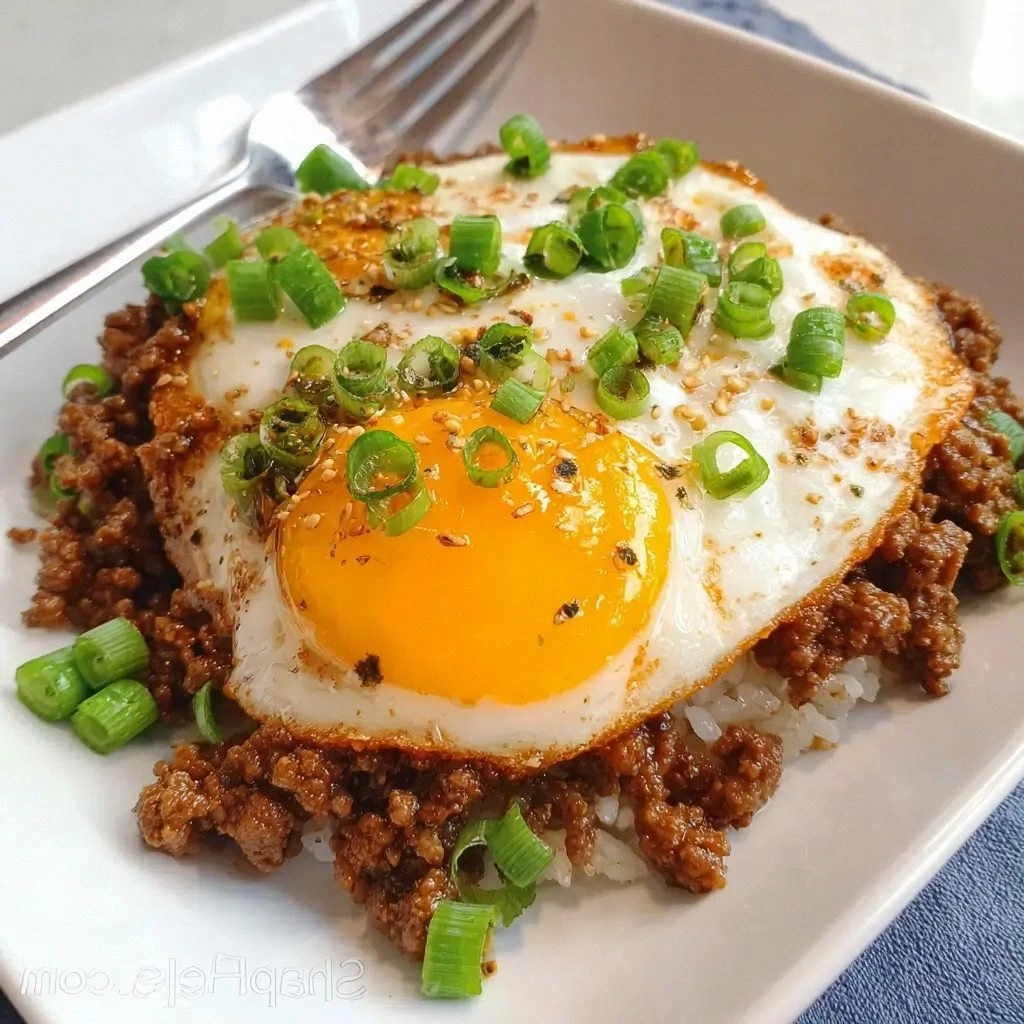
The Method — Step by Step
- Heat a large skillet or wok over medium‑high heat and add a tablespoon of vegetable oil. Once the oil shimmers, pour in the ground beef, breaking it up with a spatula. The beef should sizzle loudly—this is the cue that the pan is hot enough. Let it cook undisturbed for 2–3 minutes until the edges begin to brown, then stir to distribute heat evenly. I dare you to watch this part closely; the first sizzle will signal that your pan is at the right temperature.
- Add the minced garlic and ginger to the pan, stirring constantly to prevent burning. They should release a fragrant aroma within 30 seconds—if they start turning brown, lower the heat. This is the moment of truth; a burnt garlic will ruin the dish’s delicate flavor profile.
- Pour in the soy sauce, oyster sauce, and a teaspoon of sugar. Stir to combine, letting the sauces coat the beef. The mixture should thicken slightly and the beef should look glossy. At this point, the beef is ready for the eggs.
- Push the beef mixture to one side of the pan and crack the eggs into the empty space. Allow the eggs to set for a few seconds before gently scrambling them with a spatula. Once the eggs start to thicken, fold them into the beef, ensuring the eggs form silky ribbons that coat the meat. This step creates that signature texture that makes the dish unforgettable.
- Stir in the cornstarch slurry (cornstarch mixed with a tablespoon of cold water). The sauce will instantly thicken, creating a glossy coating that clings to the beef and eggs. The cornstarch also helps the dish hold together when you plate it. This is where the magic happens—watch the sauce transform into a silky glaze.
- Add the sliced scallions and a splash of sesame oil. Toss everything together, letting the sesame oil infuse the dish with a nutty aroma. Taste and adjust seasoning with salt and pepper if needed. The final stir should leave the pan smelling like a Cantonese kitchen at a bustling restaurant.
- Remove from heat and plate immediately. Garnish with extra scallions or cilantro if desired. Serve hot over steamed rice or noodles. The dish is best enjoyed fresh, but it holds up well if stored properly.
That's it — you did it. But hold on, I've got a few more tricks that'll take this to another level.
Insider Tricks for Flawless Results
The Temperature Rule Nobody Follows
Many cooks lower the heat too early, causing the beef to steam rather than sear. Keep the skillet at medium‑high until the beef is browned on the edges. This caramelization adds a subtle nutty flavor that’s essential to Cantonese cooking.
Why Your Nose Knows Best
Trust your sense of smell. If the sauce starts to look a little too thin, a quick splash of water can help it thicken without losing flavor. The aroma should shift from raw to toasty, signaling the sauce is ready.
The 5‑Minute Rest That Changes Everything
After you plate the dish, let it sit for 5 minutes before serving. This brief rest allows the flavors to meld, and the sauce to settle, resulting in a more cohesive bite. I’ve seen people skip this step, and the dish ends up feeling a bit uneven.
Eggs: The Secret to Silky Texture
Beat the eggs lightly with a pinch of salt before adding them to the pan. The salt helps break down the proteins, creating a smoother, silkier coating that adheres to the beef.
The Quick Garnish Trick
If you’re short on time, sprinkle a handful of toasted sesame seeds over the finished dish. The crunch and nutty aroma elevate the dish instantly, making it feel like a gourmet meal.
Creative Twists and Variations
This recipe is a playground. Here are some of my favorite ways to switch things up:
Spicy Sichuan Twist
Add a tablespoon of doubanjiang (spicy bean paste) and a pinch of Sichuan peppercorns to the sauce. The result is a bold, numbing heat that pairs beautifully with the savory beef.
Mushroom Medley
Sauté sliced shiitake or cremini mushrooms with the garlic and ginger before adding the beef. The earthy flavors deepen the dish, making it a great option for mushroom lovers.
Citrus Zest
Finish the dish with a squeeze of fresh lime or a sprinkle of orange zest. The citrus brightness cuts through the richness, adding a refreshing note.
Vegetarian Version
Replace the beef with crumbled firm tofu or tempeh. Keep the sauce ingredients the same and stir‑fry until the tofu is golden. The result is a hearty, plant‑based meal that still feels indulgent.
Seafood Surprise
Use diced shrimp or scallops instead of beef for a quick seafood variation. The shrimp cooks in just 2–3 minutes, giving you a different protein profile while maintaining the same sauce.
Breakfast Takeaway
Serve the dish over a bowl of congee or rice porridge for a comforting breakfast. The savory beef and eggs pair perfectly with the soft, warm grains.
Storing and Bringing It Back to Life
Fridge Storage
Cool the dish completely before transferring it to an airtight container. Store in the refrigerator for up to 3 days. The sauce will thicken slightly, but it will still taste great.
Freezer Friendly
Place the cooled dish in a freezer‑safe bag, removing as much air as possible. Freeze for up to 2 months. When you’re ready to eat, thaw overnight in the refrigerator.
Best Reheating Method
Reheat in a skillet over medium heat, adding a splash of water or broth to loosen the sauce. Stir gently until heated through and the sauce reaches a silky consistency again. The tiny splash of liquid steams the dish back to perfection.