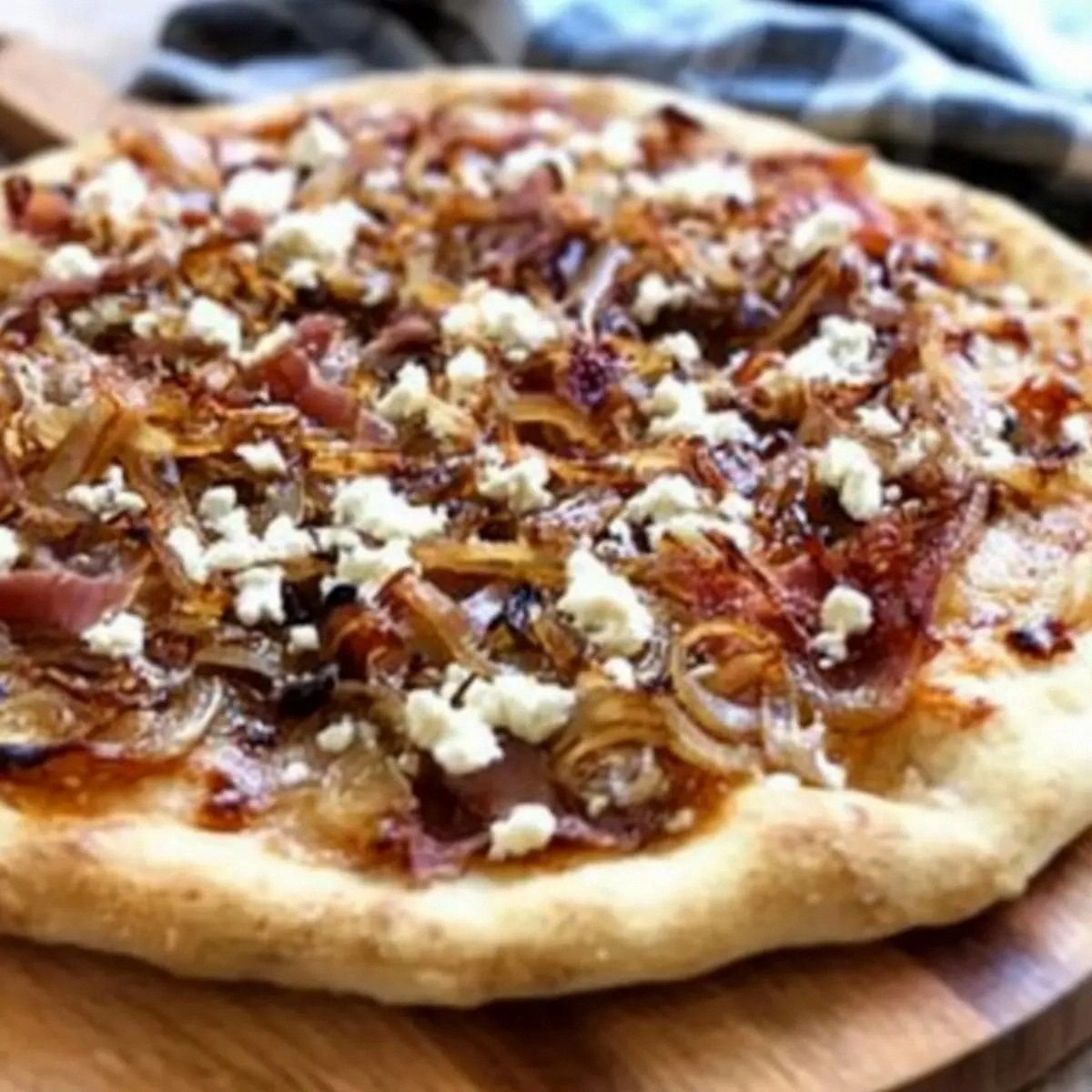
I was in the middle of a chaotic Thursday night when my roommate dared me to create a pizza that could actually make us forget about the looming deadline. The kitchen was a battlefield of half‑opened spice jars, a stubborn dough that refused to rise, and a lingering scent of burnt garlic from a previous experiment. I could almost hear the ticking clock as I rummaged through the fridge, and that’s when the idea struck: what if I combined the sweet, almost jam‑like depth of caramelized onions with the tangy creaminess of goat cheese and the salty, melt‑in‑your‑mouth crunch of prosciutto? The moment I imagined that trio dancing on a crisp crust, I felt a spark of excitement that cut through the stress like a hot knife through butter.
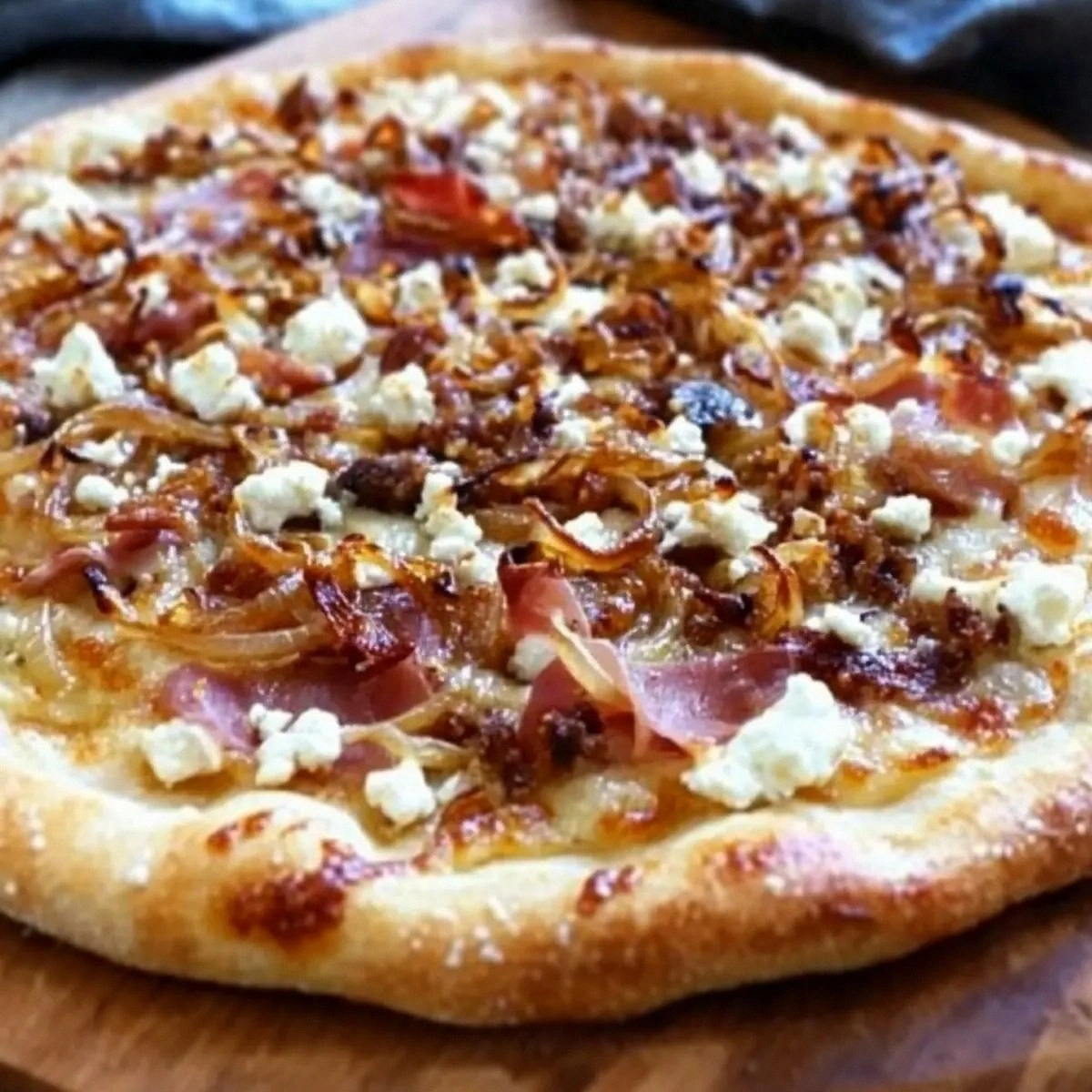
Picture this: the oven door swings open, releasing a wave of caramel‑sweet aroma that instantly wraps the room in a warm hug, while the cheese begins to bubble and turn a beautiful, golden‑tan. You hear the faint crackle of the crust as it lifts, and you can almost feel the heat radiating from the stone‑baked base against your fingertips. The first bite is an orchestra—silky goat cheese, the buttery crunch of prosciutto, and that deep, caramelized onion flavor that lingers just long enough to make you close your eyes and sigh. It’s the kind of pizza that makes you forget you ever ordered delivery and instead, you’re the one shouting “more, please!” from the kitchen.
Most recipes I’ve tried either drown the delicate goat cheese in a sea of tomato sauce or over‑cook the onions until they turn bitter. This version, however, respects each ingredient’s personality and lets them shine like soloists in a well‑rehearsed band. The secret? A quick flash of olive oil on the dough before the toppings, a drizzle of balsamic that adds a whisper of acidity, and a sprinkle of fresh rosemary that ties everything together with an herbaceous finish. I’ll be honest — I ate half the batch before anyone else got a slice, and I’m still not sorry.
Okay, ready for the game‑changer? I’m about to walk you through every single step — by the end, you’ll wonder how you ever made pizza any other way. I dare you to taste this and not go back for seconds. Let’s dive in and turn that ordinary Thursday night into a culinary celebration you’ll be bragging about for weeks.
What Makes This Version Stand Out
- Flavor Harmony: The sweet caramelization of the onion balances the tang of goat cheese and the salty richness of prosciutto, creating a symphony that sings with every bite.
- Texture Contrast: You get a crisp, airy crust, creamy cheese pockets, and a satisfyingly chewy prosciutto edge that snaps like a fresh spring branch.
- Simplicity Meets Sophistication: Only seven core ingredients, yet the result feels like a dish you’d order at a Michelin‑starred pizzeria.
- Ingredient Quality: Using high‑fat goat cheese and thin‑cut prosciutto means each bite is packed with buttery richness without needing a heavy sauce.
- Crowd Reaction: Guests invariably ask for the recipe, and you’ll see that look of delighted surprise that says, “I need this in my life.”
- Cooking Method: A hot stone or preheated pizza steel gives that coveted leopard‑spot char, while the oven’s steam keeps the crust tender underneath.
- Make‑Ahead Potential: The dough can be prepared a day ahead, and the caramelized onions keep beautifully in the fridge, saving you prep time on the big night.
- Seasonal Flexibility: This pizza shines in any season—just swap the rosemary for sage in fall or add a handful of arugula for a spring twist.
Inside the Ingredient List
The Flavor Base
Caramelized onion is the heart of this pizza. By slowly cooking the onion over low heat for 30‑45 minutes, you coax out natural sugars that turn the onion into a deep, amber‑gold jam. If you skip this step and use raw onion, you’ll end up with a harsh bite that overpowers the delicate goat cheese. A good swap is shallots for a milder sweetness, but the classic onion remains unbeatable for that lingering, almost smoky finish.
The Texture Crew
Goat cheese brings a creamy, slightly tangy layer that melts into silky pockets when the pizza bakes. Choose a soft, spreadable goat cheese rather than a firm log; the former melts uniformly, while a firm block can leave stubborn clumps. If you’re allergic to dairy, a vegan cream cheese infused with lemon zest can mimic the tang, though the texture will be a shade firmer.
Prosciutto is the salty, umami‑rich component that adds a whisper of crispness as it renders. Look for thinly sliced, dry‑cured prosciutto that curls up into little ribbons when baked. Thicker slices will stay chewy and can dominate the flavor profile, while a lower‑quality version may taste overly salty or rubbery.
The Unexpected Star
A tablespoon of fresh rosemary, chopped fine, injects an aromatic pine note that cuts through the richness. Fresh rosemary is far superior to dried; the oils in fresh leaves burst when they hit the heat, creating tiny flavor explosions. If rosemary isn’t your thing, thyme or oregano can stand in, but expect a different herbaceous nuance.
The Final Flourish
A splash of balsamic vinegar at the end adds a bright acidity that lifts the caramel notes and prevents the pizza from feeling heavy. Drizzle it in a thin line after the pizza comes out of the oven; the residual heat will mellow the vinegar just enough to create a glossy finish. Salt and freshly ground black pepper are added to taste, but remember that prosciutto already brings a salty punch, so season lightly.
Everything's prepped? Good. Let's get into the real action...
The Method — Step by Step
Start by preheating your oven to its highest setting—250°C (475°F) if you have a pizza stone, place the stone inside and let it heat for at least 45 minutes. This intense heat is what gives the crust that coveted leopard‑spot char. While the oven is heating, lightly dust a parchment sheet with flour and set your pizza dough on it; this will make transferring the pizza onto the stone a breeze.
Kitchen Hack: If your dough feels sticky, sprinkle a tiny amount of semolina on the parchment; it adds a subtle crunch and prevents sticking.Brush the dough lightly with 1 tablespoon of olive oil, ensuring an even coat that will help the toppings glide and the crust stay crisp. Use the back of a spoon to spread the oil, leaving a small border untouched—this border will puff up into a beautiful rim. Let the dough rest for 5 minutes; this short rest lets the gluten relax, preventing shrinkage when you slide it onto the stone.
Spread the caramelized onion evenly across the dough, using a spatula to create a thin, uniform layer. The onion should be glossy and slightly sticky—if it looks dry, add a splash of the pan‑dripping oil you saved from caramelizing. This layer is the sweet foundation that will caramelize further in the oven, deepening its flavor.
Crumble the goat cheese over the onions, aiming for generous dollops that will melt into creamy islands. Don’t over‑mix; you want pockets of cheese that burst when you bite. Sprinkle the chopped rosemary evenly now so it can release its essential oils as the pizza bakes.
Lay the prosciutto slices on top, overlapping slightly but not covering the entire surface. The prosciutto will render its fat and become slightly crisp around the edges, creating that delightful texture contrast. Watch Out: If you place the prosciutto too early, it may over‑cook and become overly salty.
Watch Out: Adding the prosciutto in the last 5 minutes prevents it from drying out.Slide the parchment (with the pizza on it) onto the preheated stone using a pizza peel or the back of a baking sheet. Bake for 8‑10 minutes, or until the crust is golden‑brown, the cheese is bubbling, and the edges of the prosciutto start to curl. The moment you see the cheese turning a light amber and the crust puffing, you’ll know you’ve hit the sweet spot.
Remove the pizza from the oven and immediately drizzle the tablespoon of balsamic vinegar in a thin, artistic line across the surface. The residual heat will slightly caramelize the vinegar, turning it into a glossy glaze that adds a bright, tangy finish. Sprinkle a pinch of fresh black pepper and a light dash of sea salt if needed.
Kitchen Hack: Let the pizza rest for 2 minutes before slicing; this allows the cheese to set slightly, preventing a messy slide.Slice with a sharp pizza cutter, serve immediately, and watch your guests' eyes widen. That sizzle when the crust hits the stone? Absolute perfection. And now the fun part—watch them dive in, trying to guess which ingredient you tucked in first.
That's it — you did it. But hold on, I've got a few more tricks that'll take this to another level...
Insider Tricks for Flawless Results
The Temperature Rule Nobody Follows
Most home cooks bake pizza at 220°C (425°F) and complain about a soggy center. The secret is to crank the oven to its max and use a preheated stone or steel. The intense heat creates a rapid oven spring, giving you that airy interior while the exterior crisps instantly. I once tried a lower temperature and ended up with a doughy disaster—lesson learned.
Why Your Nose Knows Best
Your sense of smell is a far more reliable indicator than a timer when it comes to caramelizing onions. When the onions start to emit a sweet, nutty perfume and the color deepens to a rich amber, you know they’re ready. If you rely solely on the clock, you might miss that perfect moment and end up with bitter notes.
The 5‑Minute Rest That Changes Everything
After the dough has risen, let it rest uncovered for five minutes before shaping. This short pause lets the gluten relax, making the dough easier to stretch without tearing. A friend once skipped this rest and struggled with a tough, rubbery crust that never puffed properly.
Balsamic Finish Timing
Drizzling balsamic vinegar too early will cause it to burn, turning bitter. Apply it right after the pizza exits the oven; the residual heat will mellow the acidity while preserving its bright snap. This timing trick transforms the flavor from harsh to harmonious.
The Rosemary Crush
Instead of sprinkling whole rosemary leaves, give them a quick crush between your fingers before adding them. This releases the essential oils and prevents the leaves from staying stubbornly whole, which can result in a woody bite.
Creative Twists and Variations
This recipe is a playground. Here are some of my favorite ways to switch things up:
Fig & Walnut Delight
Swap the caramelized onion for thinly sliced fresh figs and sprinkle toasted walnuts over the goat cheese. The figs add a honey‑sweet burst while the walnuts bring a buttery crunch, making the pizza feel like a sophisticated appetizer.
Spicy Sriracha Kick
Drizzle a thin line of sriracha over the prosciutto before baking, then finish with a squeeze of lime after it comes out. The heat from the sriracha pairs surprisingly well with the tangy goat cheese, creating a sweet‑heat balance that’ll have your friends reaching for more.
Herbaceous Green
Replace rosemary with a mix of fresh thyme and basil, and add a handful of arugula after baking. The peppery arugula adds freshness, while thyme gives an earthy depth that complements the goat cheese.
Mushroom Medley
Add a mixture of sautéed shiitake, cremini, and oyster mushrooms alongside the onions. The umami from the mushrooms amplifies the savory profile, making the pizza feel heartier for cooler evenings.
White Truffle Elegance
Finish the baked pizza with a light drizzle of white truffle oil and a sprinkle of grated Parmigiano-Reggiano. The truffle oil adds an indulgent earthiness that elevates the dish to a fine‑dining experience.
Storing and Bringing It Back to Life
Fridge Storage
Allow the pizza to cool completely, then slice and store in an airtight container. It will keep fresh for up to 3 days. When you’re ready to eat, reheat in a skillet over medium heat, covering with a lid for the first minute to melt the cheese.
Freezer Friendly
Wrap individual slices tightly in plastic wrap, then place them in a freezer‑safe zip‑lock bag. They’ll stay good for up to 2 months. To revive, bake straight from frozen on a preheated stone at 220°C (425°F) for 8‑10 minutes, adding a splash of water to the pan to create steam.
Best Reheating Method
The secret to a crisp crust is high, direct heat. Use a preheated cast‑iron skillet or a pizza stone; add a few drops of water to the pan and cover briefly to steam the cheese, then uncover to crisp the bottom. This method restores the original texture without sogginess.