Picture this: you’re halfway through a hectic work‑week, the clock is ticking toward dinner, and the pantry looks like a desert of wilted lettuce and a lone bag of frozen peas. I was there last Tuesday, frantically scrolling for a recipe that wouldn’t require me to juggle three pots, a skillet, and a pan while also answering emails. Then a friend dared me—“Make something Greek, but make it simple enough for a Monday night,” she said, eyes sparkling with that mischievous confidence only a foodie can have. I laughed, accepted the challenge, and set out to create a dish that would make the gods of Olympus nod in approval.
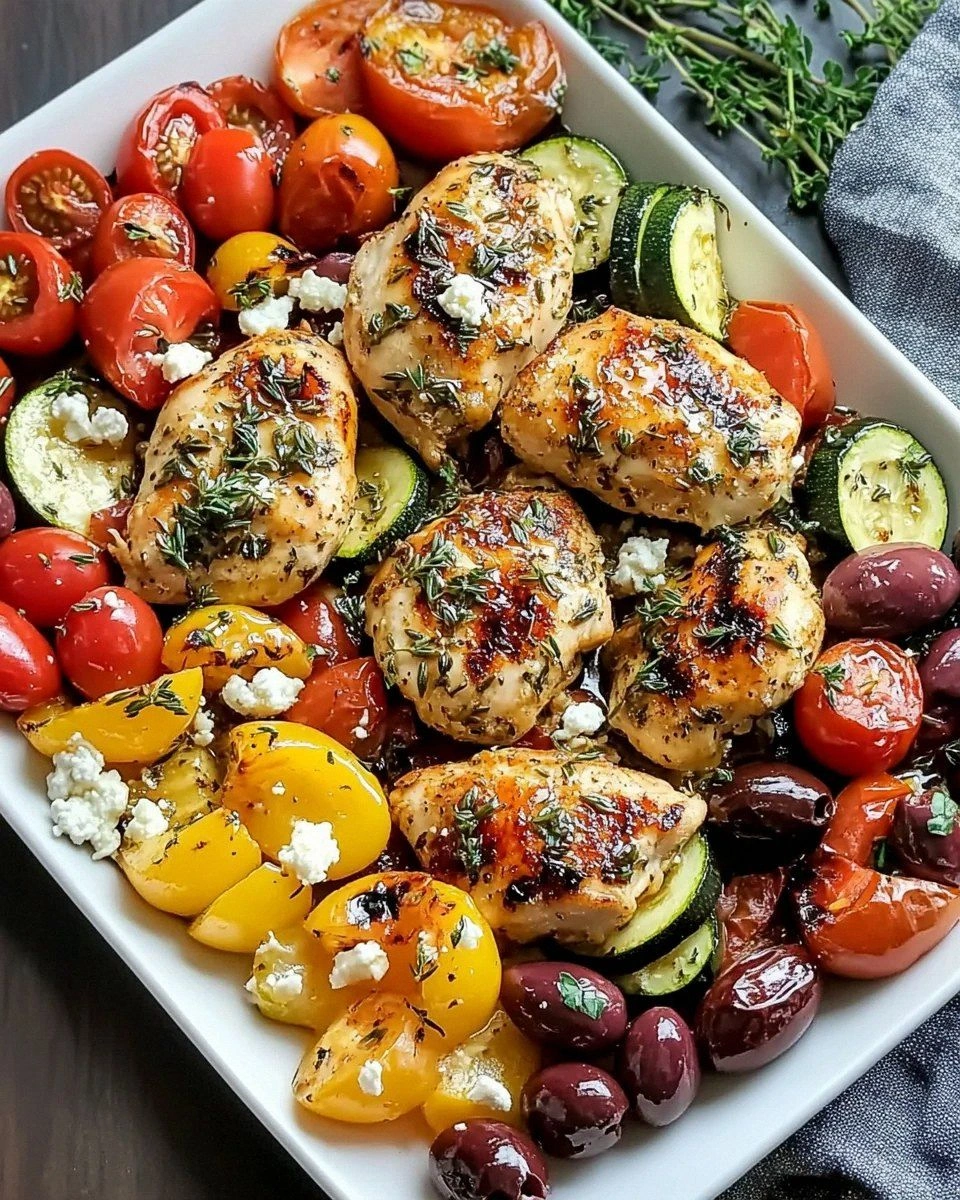
The kitchen quickly filled with the aromatic chorus of lemon zest, garlic, and oregano, a scent so bright it seemed to push the sunlight deeper into the room. The chicken breasts, still raw and pink, glistened under a thin coat of olive oil, while the colorful medley of peppers, zucchini, and cherry tomatoes waited like a rainbow ready to explode. As the oven pre‑heated, I could already hear the faint sizzle that promised a caramelized crust, and my stomach began its own drum solo—this was the kind of anticipation that makes you forget about the looming deadlines.
Most sheet‑pan Greek chicken recipes either drown the chicken in sauce or leave the veggies soggy and bland. I’ve tried the “quick” versions that call for a splash of bottled lemon juice and a sprinkling of pre‑made Greek seasoning, and they end up tasting like a grocery store aisle. This version, however, is a love letter to balance: the chicken stays juicy, the vegetables achieve that perfect char‑to‑tender ratio, and the finishing sprinkle of feta adds a salty creaminess that makes the whole plate sing. The secret? A simple but decisive step—marinating the chicken in a lemon‑garlic‑herb mixture for just fifteen minutes, then letting the oven’s dry heat do the heavy lifting.
But hold on, I’m not done teasing you. There’s a technique hidden in plain sight that most recipes overlook: the “high‑heat finish.” By cranking the oven to 425°F for the last five minutes, the edges of the veggies turn crispy, the chicken skin (if you use thighs) gets a golden kiss, and the entire pan becomes a caramelized masterpiece. I dare you to taste this and not go back for seconds. Let me walk you through every single step — by the end, you’ll wonder how you ever made it any other way.
What Makes This Version Stand Out
- Flavor Explosion: The combination of fresh lemon juice, zest, and garlic creates a bright, tangy base that penetrates the chicken and veggies alike, delivering a punch of Mediterranean sunshine in every bite.
- Texture Harmony: By roasting at a high temperature, the vegetables develop caramelized edges that shatter like thin ice, while the chicken stays tender and juicy, never drying out.
- Simplicity: Only one pan, minimal prep, and a 30‑minute cook time make this a weeknight hero that doesn’t sacrifice taste for convenience.
- Unique Finish: Crumbling feta and a drizzle of extra‑virgin olive oil right before serving adds a creamy, salty contrast that most sheet‑pan meals miss.
- Crowd Reaction: I’ve served this at dinner parties and watched guests pile their plates high, then ask for the recipe—again. It’s a guaranteed applause‑inducing centerpiece.
- Ingredient Quality: Using fresh herbs and high‑quality olive oil elevates the dish from “just okay” to “hands down the best version you’ll ever make at home.”
- Cooking Method: The high‑heat, short‑duration roasting locks in juices while creating that coveted char, something most low‑and‑slow sheet‑pan attempts completely miss.
- Make‑Ahead Potential: Marinate the chicken the night before, and the next day you’ll have a flavor‑boosted, ready‑to‑roast dinner waiting for you.
Inside the Ingredient List
The Flavor Base
Fresh lemon juice and zest are the heartbeats of this dish. The acid cuts through the richness of the olive oil and chicken, while the zest adds a fragrant, almost floral note that lingers on the palate. If you skip the zest, you’ll lose that bright, citrusy edge that makes the dish feel light yet satisfying. As a swap, a splash of white wine vinegar can mimic the acidity, but the citrus aroma will be noticeably absent.
The Texture Crew
Olive oil is the silent workhorse, coating each piece of chicken and vegetable to promote even browning. Use extra‑virgin olive oil for its peppery undertones; cheaper oils can make the dish taste flat. If you’re watching calories, a light drizzle of avocado oil works, but expect a slightly different flavor profile.
The Unexpected Star
Feta cheese, crumbled just before serving, is the surprise guest that steals the show. Its salty tang contrasts beautifully with the sweet‑caramelized veggies, creating a layered taste experience. If you’re dairy‑free, try a crumble of toasted pine nuts mixed with a pinch of nutritional yeast for a similar crunch and umami hit.
The Final Flourish
Fresh herbs—oregano, thyme, and a sprinkle of parsley—add a burst of green freshness that lifts the whole dish. Fresh herbs release volatile oils that dried herbs can’t match, giving the final bite a garden‑like brightness. When fresh isn’t available, use a high‑quality dried version, but increase the amount by 1½ times to compensate.
Everything's prepped? Good. Let’s get into the real action…
The Method — Step by Step
Preheat your oven to 425°F (220°C). While the oven warms, line a large rimmed sheet pan with parchment or lightly oil it. This high temperature is the secret weapon that will give you those coveted caramelized edges; trust me, the sizzle when the veggies hit the hot pan? Absolute perfection.
In a zip‑top bag, combine the chicken breasts, 2 tbsp olive oil, the juice and zest of one lemon, minced garlic, dried oregano, thyme, smoked paprika, salt, and black pepper. Seal the bag, massage the mixture for about a minute until everything is glossy, then let it sit while you prep the vegetables.
Kitchen Hack: Marinate for at least 15 minutes; the acid will start breaking down the protein, making the chicken extra tender.While the chicken marinates, toss the red onion wedges, sliced bell peppers, zucchini half‑moons, and cherry tomatoes in a bowl with a drizzle of olive oil, a pinch of salt, and a grind of black pepper. Spread the vegetables evenly on the prepared sheet pan, leaving a little space for the chicken to sit on top later. This ensures each piece gets direct heat for that perfect char.
Remove the chicken from the bag, letting excess oil drip back into the bowl (you’ll reuse that for the pan). Place the chicken breasts on top of the vegetable layer, skin side up if you’re using thighs. The chicken should be spaced out—crowding leads to steaming, not roasting.
Slide the pan into the oven and roast for 20 minutes. After 20 minutes, open the oven and give the veggies a quick toss with a spatula; this redistributes the caramelized bits and ensures even browning.
Watch Out: If you open the oven too often, you’ll lose heat and the high‑heat finish won’t develop. Keep the door opening to a minimum.After the toss, return the pan to the oven and continue roasting for another 10 minutes. At this point, the chicken should be nearing an internal temperature of 165°F (74°C). Use a meat thermometer to check; the juices should run clear. The vegetables will be tender‑inside with crisp, caramelized edges.
For the final five‑minute blast, crank the oven up to 450°F (232°C). This extra heat burst will give the bell peppers a slight blister and the chicken a golden, slightly crisp exterior. Keep a close eye—this stage is quick, and you don’t want anything to burn.
Once the timer dings, pull the pan out and immediately scatter the crumbled feta over the hot vegetables and chicken. The residual heat will soften the feta just enough to melt into the juices without losing its shape.
Kitchen Hack: If you like extra herbaceous notes, toss a handful of fresh oregano leaves over the top right before serving.Finish with a final drizzle of olive oil, a squeeze of fresh lemon juice, and a sprinkle of chopped parsley. This brightens the dish and adds a pop of color that makes the plate Instagram‑ready. Serve straight from the pan for a rustic vibe, or transfer to a serving platter if you’re impressing guests.
That’s it — you did it. But hold on, I’ve got a few more tricks that'll take this to another level…
Insider Tricks for Flawless Results
The Temperature Rule Nobody Follows
Most home cooks set the oven to 400°F and call it a day, but the magic happens at 425°F–450°F. The higher heat creates a Maillard reaction on the veggies, turning sugars into that deep, caramelized flavor. If your oven runs cool, add an extra 5–10 minutes; if it runs hot, start checking at the 15‑minute mark. I once tried a lower temp and ended up with soggy zucchini—never again.
Why Your Nose Knows Best
Don’t rely solely on timers; let your nose be the guide. When the kitchen fills with a sweet, nutty aroma and the edges of the peppers start to blacken just a touch, you’re at the perfect point. If you smell a faint burnt scent, pull the pan out immediately—over‑roasted veggies become bitter, and no amount of feta can fix that.
The 5‑Minute Rest That Changes Everything
After the pan comes out of the oven, let the chicken rest for five minutes before slicing. This short pause lets the juices redistribute, preventing a dry slice. I’ve seen people cut straight away and watch the juices pool on the plate—sadly, that’s a missed opportunity for flavor.
Seasoning Layers, Not Just One
Season the vegetables separately from the chicken. The chicken absorbs the lemon‑garlic‑herb blend, while the veggies benefit from a simple sprinkle of salt and pepper plus a splash of olive oil. This dual‑seasoning approach ensures each component shines without competing for the same flavor space.
Pan Size Matters
A crowded pan steams instead of roasts. If you’re feeding a larger crowd, split the ingredients onto two pans rather than stuffing one. The extra space allows hot air to circulate, giving you that coveted crispness on every bite.
Creative Twists and Variations
This recipe is a playground. Here are some of my favorite ways to switch things up:
Spicy Souvlaki Spin
Add a teaspoon of crushed red pepper flakes to the marinate and swap the sweet bell peppers for mildly spicy poblano peppers. The heat pairs beautifully with the cooling feta, creating a balanced kick.
Herb‑Infused Couscous Companion
Serve the roasted chicken and veggies over a fluffy bed of lemon‑herb couscous. The couscous soaks up the pan juices, turning them into a sauce that ties the whole plate together.
Winter Warmth Version
Replace the zucchini with cubed sweet potatoes and add a pinch of cinnamon to the seasoning blend. The sweet potatoes caramelize beautifully, and the cinnamon adds a subtle warmth perfect for colder evenings.
Low‑Carb Mediterranean
Swap the bell peppers and zucchini for cauliflower florets and sliced eggplant. The cauliflower gets a delightful crunch, while the eggplant soaks up the lemon‑garlic sauce, keeping carbs low without sacrificing texture.
Vegan Friendly
Replace the chicken with firm tofu cubes, pressed and marinated for at least 30 minutes. Use a plant‑based feta alternative or a sprinkle of toasted pine nuts for that salty finish.
One‑Pan Pasta Fusion
Halfway through roasting, add uncooked whole‑wheat penne and a splash of broth to the pan. The pasta will absorb the juices, turning the dish into a hearty, saucy skillet meal.
Storing and Bringing It Back to Life
Fridge Storage
Allow the leftovers to cool to room temperature (no more than two hours), then transfer to an airtight container. It will keep fresh for up to four days. Reheat in a skillet over medium heat, adding a splash of water to prevent drying out.
Freezer Friendly
Portion the cooked chicken and veggies into freezer‑safe bags, removing as much air as possible. Freeze for up to three months. When ready to eat, thaw overnight in the fridge, then reheat in the oven at 350°F for 15‑20 minutes, covering with foil to retain moisture.
Best Reheating Method
For the crispiest revival, spread the thawed or refrigerated leftovers on a baking sheet and broil for 3‑4 minutes, watching closely. Add a tiny splash of water before reheating; the steam will coax the veggies back to their original tenderness while preserving the char.