The first time I tried to make a tomato sauce, I ended up with a thick, burnt mess that clung to the bottom of the pan like a stubborn stain. I stared at the blackened crust, heart racing, as my roommate laughed, “You’re making a soup for a rock, aren’t you?” That night, I swore I’d never again be that person. I challenged myself to create a sauce that could turn any simple pasta into a gourmet experience, and I didn’t just settle for “good enough.”
I set the stove to a gentle simmer, the kitchen filled with the sweet aroma of ripe tomatoes, the sharp tang of garlic, and the faint perfume of basil. The sound of onions sizzling was a soft hiss, like a quiet conversation between ingredients. When I lifted the pot, the sauce gleamed, a deep crimson that promised richness. The first spoonful was silky, the tomato juices dancing on the tongue, followed by a subtle heat from the wine that lingered like a secret. My fingertips tingled from the warmth of the pot, and I felt the satisfaction of a well‑balanced flavor profile.
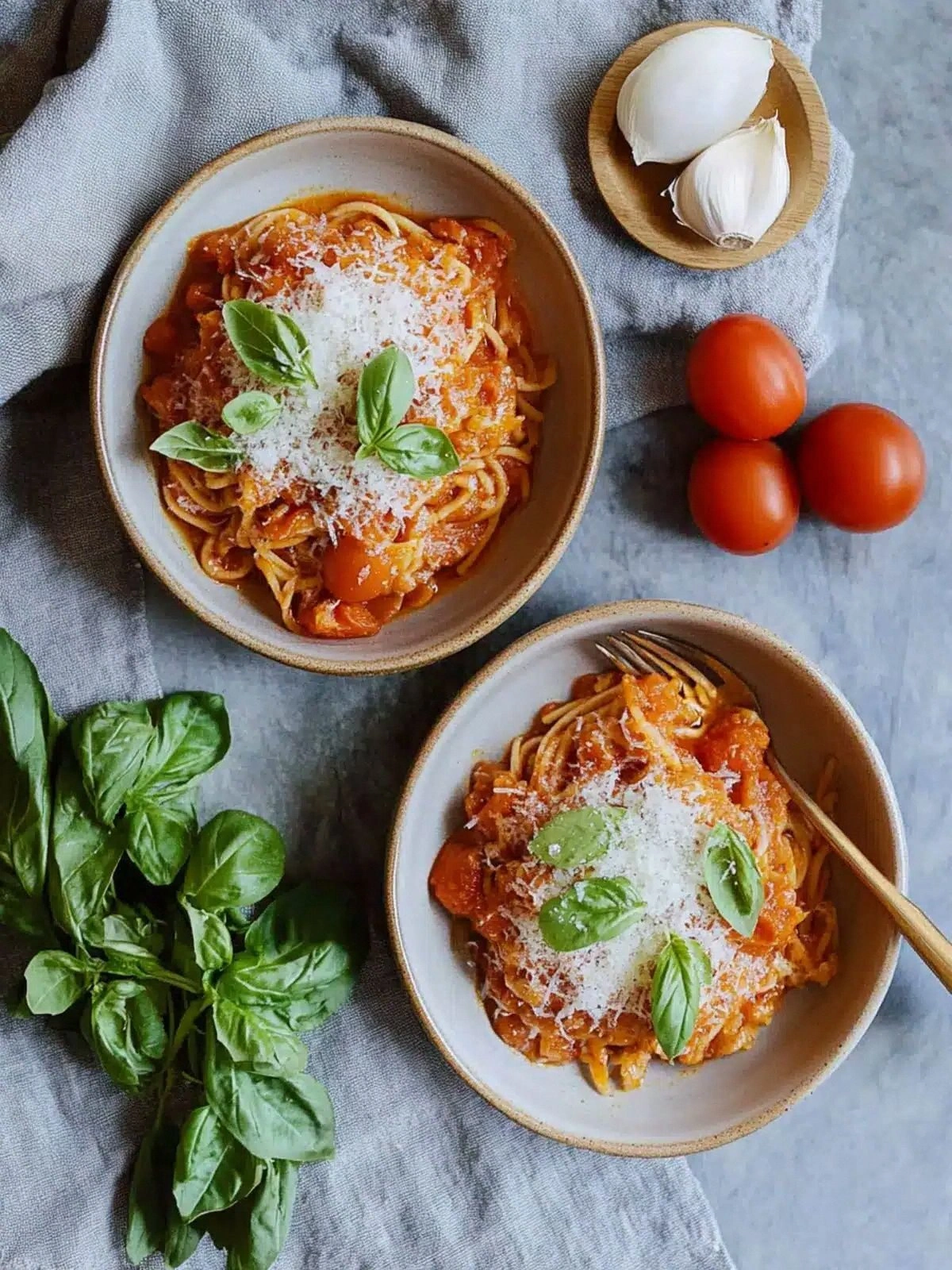
What sets this version apart is that it doesn’t rely on canned tomatoes or a handful of spices. It uses fresh, seasonal produce and a few deliberate techniques that unlock depth and complexity. The sauce has a velvety coat that embraces pasta, yet retains a lively acidity that cuts through the richness of olive oil. It’s the kind of sauce that turns a plain spaghetti dinner into an unforgettable meal, and the confidence of a chef who knows the secret behind a flawless sauce.
And there’s a twist you won’t expect: a splash of red wine that isn’t just for flavor but for balance, a precise caramelization of onions, and a final touch of fresh basil that lifts the entire dish. I dare you to taste this and not go back for seconds. If you’re ready to see why this sauce is hands down the best version you’ll ever make at home, let me walk you through every single step — by the end, you’ll wonder how you ever made it any other way.
What Makes This Version Stand Out
- Flavor: The sauce balances sweet, acidic, and umami notes with precision, creating a layered taste that lingers on the palate.
- Texture: It coats pasta like velvet, yet remains pourable, allowing every noodle to be bathed in flavor.
- Ingredient Quality: Fresh, locally sourced tomatoes and basil elevate the dish beyond pantry staples.
- Cooking Method: Slow caramelization of onions and a controlled simmer unlocks depth without bitterness.
- Make‑Ahead Potential: The sauce improves after resting, making it ideal for busy weeknights.
- Versatility: Works as a base for pizza, a topping for grilled meats, or a dip for crusty bread.
- Crowd Reaction: Guests rave about the “farmstand” flavor, often asking for the recipe after every dinner.
- Ease of Preparation: Despite its gourmet taste, the steps are straightforward and require minimal equipment.
Alright, let's break down exactly what goes into this masterpiece…
Inside the Ingredient List
The Flavor Base
The 3 lbs of fresh tomatoes form the core of this sauce. They provide sweetness, acidity, and a natural body that carries the other flavors. If you’re using slightly underripe tomatoes, a quick blanch can soften them, but be careful not to overcook, or you’ll lose that bright, fresh bite. A good swap for tomatoes is roasted red peppers, which add a smoky sweetness, but the texture will be less liquid.
The 1 pint of sungold or cherry tomatoes adds a burst of color and a pop of sweet juiciness that contrasts beautifully with the larger tomato pieces. Skipping them would leave the sauce feeling flat; instead, you could use diced peaches for a fruity twist, but the overall flavor profile would shift dramatically.
The Texture Crew
Olive oil is the medium that brings all the flavors together. The 1/4 cup you add at the start creates a silky mouthfeel and helps dissolve the spices into the tomato matrix. If you prefer a lighter sauce, use extra virgin olive oil for its peppery finish, but keep the quantity the same to maintain balance.
Onions are the backbone of any good sauce; the 2 small‑medium onions you finely dice release sweetness as they caramelize. If you’re in a hurry, you can use pre‑sliced onions, but the caramelization step is essential for depth. A quick tip: keep the heat medium-low, and stir frequently to prevent sticking.
The Unexpected Star
Garlic is the aromatic spark that ignites the sauce’s flavor. The 8 cloves, minced finely, release their oils into the olive oil, creating a fragrant base. If you’re sensitive to raw garlic, toast them slightly before adding to mellow the bite. A good alternative is garlic powder, but the fresh garlic’s aroma is irreplaceable.
The 1/2 teaspoon of oregano provides a subtle herbaceous note that complements basil without overpowering it. If you’re in the mood for a different herb, try thyme or rosemary, but use less to avoid bitterness. Remember, oregano is a flavor enhancer; a pinch more can make the sauce taste “earthy.”
The Final Flourish
Red wine is the secret to a balanced sauce. The 1/2 cup you add reduces the acidity of the tomatoes and adds a subtle depth that feels like a fine wine. If you’re looking for a non‑alcoholic version, substitute with a splash of balsamic vinegar, but the flavor will be more tangy.
Fresh basil, a few sprigs added at the end, brings a bright, peppery finish that lifts the entire dish. If you’re out of basil, oregano or parsley can stand in, but the aroma will differ. A quick hack: crush the basil leaves before adding to release more essential oils.
Everything's prepped? Good. Let's get into the real action…
The Method — Step by Step
- Heat the olive oil in a large, heavy‑bottomed pot over medium heat. Add the finely diced onions and a pinch of sea salt. Stir until the onions soften and begin to turn translucent, about 5 minutes. Watch the aroma rise; that’s the first hint of sweetness.
- Add the minced garlic to the pot, stirring constantly to prevent burning. The garlic should release a fragrant steam within 30 seconds, signaling that it’s ready to infuse the oil. This is the moment of truth—don’t rush it.
- Introduce the 3 lbs of diced tomatoes, letting them simmer and release their juices. Reduce the heat to low and cover the pot for 15 minutes to allow the tomatoes to soften. The sauce should develop a deep, rich color.
- Stir in the 1 pint of cherry tomatoes, then add the oregano and a generous pinch of freshly ground pepper. The mixture should bubble gently; if it’s too vigorous, lower the heat. This step brings the sauce’s flavor layers together.
- Pour in the 1/2 cup of red wine, letting it reduce for 5 minutes until the sauce thickens slightly. The wine’s acidity will cut through the tomato sweetness, creating balance. Keep an eye on the pot—if it starts to stick, add a splash of water.
- Simmer uncovered for another 15 minutes, stirring occasionally. The sauce should thicken to a pourable consistency, and the edges of the pot will begin to pull away from the sides. This is when the caramelized onions and garlic truly shine.
- Add the fresh basil leaves, crushing them lightly before tossing. Stir the sauce until the basil is fully incorporated, and let it rest for 5 minutes to release its aroma fully. This final touch gives the sauce a bright, herbaceous finish.
- Taste and adjust seasoning with sea salt and pepper as needed. If the sauce feels too acidic, a pinch of sugar can balance it. Let the sauce sit for a few minutes before serving; the flavors will meld beautifully.
That's it — you did it. But hold on, I've got a few more tricks that'll take this to another level…
Insider Tricks for Flawless Results
The Temperature Rule Nobody Follows
Maintaining a low, steady simmer is key. High heat can scorch the onions and caramelize the sugars too quickly, resulting in a bitter base. I’ve found that a gentle, low heat allows the tomatoes to release their natural sugars slowly, creating a richer, more complex flavor.
Why Your Nose Knows Best
Before you taste the sauce, let your nose do the work. The aroma of caramelized onions and garlic tells you when the base is ready. A sweet, earthy scent means the flavors are fully developed. If it still smells raw, give it a few more minutes.
The 5-Minute Rest That Changes Everything
After removing the pot from heat, let the sauce rest uncovered for 5 minutes. The resting period allows the flavors to meld and the acidity to mellow. When you stir it again, you’ll notice a smoother, more balanced taste.
The Fresh Basil Trick
Crushing basil leaves before adding them releases more essential oils, giving the sauce a bright, aromatic punch. If you add basil too early, it can become bitter; adding it at the end preserves its delicate flavor.
The Wine Reduction Secret
Use a dry red wine with a good acidity level. Reducing it to half its volume concentrates the flavors without adding sweetness. A good rule of thumb: let it reduce until it coats the back of a spoon.
Creative Twists and Variations
This recipe is a playground. Here are some of my favorite ways to switch things up:
Spicy Pepper Boost
Add a finely chopped red chili or a pinch of red pepper flakes during step 4 for a subtle heat that complements the tomatoes. This variation is perfect for those who love a kick.
Herb Fusion
Swap basil for a mix of oregano, thyme, and rosemary. The resulting sauce will have a more robust, Mediterranean feel, ideal for grilled chicken or lamb.
Creamy Comfort
Stir in a splash of heavy cream or coconut milk at the end of step 7 for a velvety texture. This version works wonderfully as a base for lasagna or a comforting sauce over roasted vegetables.
Pesto Twist
Blend a handful of basil leaves into the sauce at step 7 to create a green, pesto‑infused tomato sauce. The result is a vibrant, herbaceous dish that pairs well with pasta or as a dip.
Smoky Char
Char the tomatoes on a grill or under a broiler before adding them to the pot. The smoky char adds depth and pairs wonderfully with hearty meats.
Storing and Bringing It Back to Life
Fridge Storage
Cool the sauce completely, then transfer to a sealable glass jar. Store in the refrigerator for up to 5 days. The sauce will thicken slightly as it cools.
Freezer Friendly
Divide the sauce into freezer‑safe containers, leaving an inch of headspace. Freeze for up to 3 months. Thaw overnight in the fridge before reheating.
Best Reheating Method
Reheat on low heat, stirring frequently. Add a tiny splash of water or broth to restore moisture, then let it simmer until warmed through. This trick keeps the sauce from drying out.