I still remember the day I accidentally created what would become my signature cucumber feta salad. It was a sweltering Tuesday afternoon, my air conditioning had given up the ghost, and I was supposed to bring something to a potluck in exactly two hours. Standing in my kitchen, sweat dripping down my temples, I stared at the sad contents of my refrigerator: three cucumbers, a block of feta I'd forgotten about, and a handful of herbs that were dangerously close to becoming compost. Most people would have panicked, maybe even grabbed a store-bought something on the way. But I'm not most people — I'm the kind of stubborn home cook who sees a near-empty fridge as a personal challenge from the culinary gods.
What happened next was pure kitchen alchemy. As I sliced those cucumbers paper-thin, listening to the rhythmic thud of my knife against the board, something magical unfolded. The cool, crisp scent of fresh cucumber mixed with the briny tang of feta created an aroma that immediately transported me from my sweaty kitchen to a seaside taverna in Greece. The combination was so intoxicating that I forgot all about my broken air conditioning and the impending potluck deadline. Twenty minutes later, I was standing over the bowl, fork in hand, absolutely stunned by what I'd created.
Here's the thing about most cucumber salads — they're boring. Watery, bland, and about as exciting as watching paint dry. They're the sad side dish that sits untouched at barbecues, the obligatory "healthy option" that nobody actually wants to eat. But this version? This version is the Beyoncé of cucumber salads. It's confident, bold, and steals the show every single time. The secret lies in a technique that most recipes completely ignore, a game-changing method that transforms humble cucumbers into something extraordinary. Trust me when I say this isn't just another cucumber salad — this is the cucumber salad that will ruin all other cucumber salads for you forever.
Let me walk you through every single step — by the end, you'll wonder how you ever made it any other way. This recipe has everything: the perfect balance of creamy and crunchy, salty and fresh, simple and sophisticated. It's the kind of dish that makes people close their eyes after the first bite, the kind that gets requested at every gathering, the kind that you'll find yourself making twice a week because it's just that good. And the best part? It's embarrassingly easy, requires zero cooking skills, and comes together faster than you can say "Greek salad."
What Makes This Version Stand Out
This isn't your grandmother's cucumber salad, unless your grandmother happened to be a culinary genius who understood that salt is not just a seasoning but a transformative tool. The difference between good and mind-blowing often lies in the details, and this recipe is packed with those details. Every element has been tested, tweaked, and perfected to create something that goes far beyond the sum of its parts.
- Salt-Drawn Perfection: Instead of watery cucumber sadness, we use a salt-drawing technique that removes excess moisture while concentrating flavor. The result? Cucumbers that stay crisp for days, not hours.
- Feta Transformation: Most recipes just crumble feta on top like an afterthought. We create a creamy feta dressing that coats every cucumber slice like a silk robe, ensuring every bite delivers maximum impact.
- Herb Harmony: Fresh dill and mint aren't just garnish here — they're co-stars. The combination creates a flavor profile so complex, people will swear there's a secret ingredient you're not telling them about.
- Texture Symphony: Crunchy cucumbers, creamy feta, and a surprise element (toasted pine nuts) create a textural experience that keeps your palate interested from first bite to last.
- Make-Ahead Marvel: Unlike most salads that wilt into sad oblivion, this beauty actually improves overnight. The flavors meld, intensify, and create something even more spectacular the next day.
- One-Bowl Wonder: Everything happens in one bowl, meaning fewer dishes and more time to enjoy your creation. Sometimes the best things in life really are this simple.
Alright, let's break down exactly what goes into this masterpiece...
Inside the Ingredient List
Every ingredient in this salad has been chosen for a specific reason, each playing a crucial role in the final symphony of flavors. Understanding why each component matters will help you make better choices at the grocery store and substitutions when necessary. Let's dive deep into what makes each ingredient tick and how they work together to create something magical.
The Foundation: Cucumbers That Actually Taste Like Something
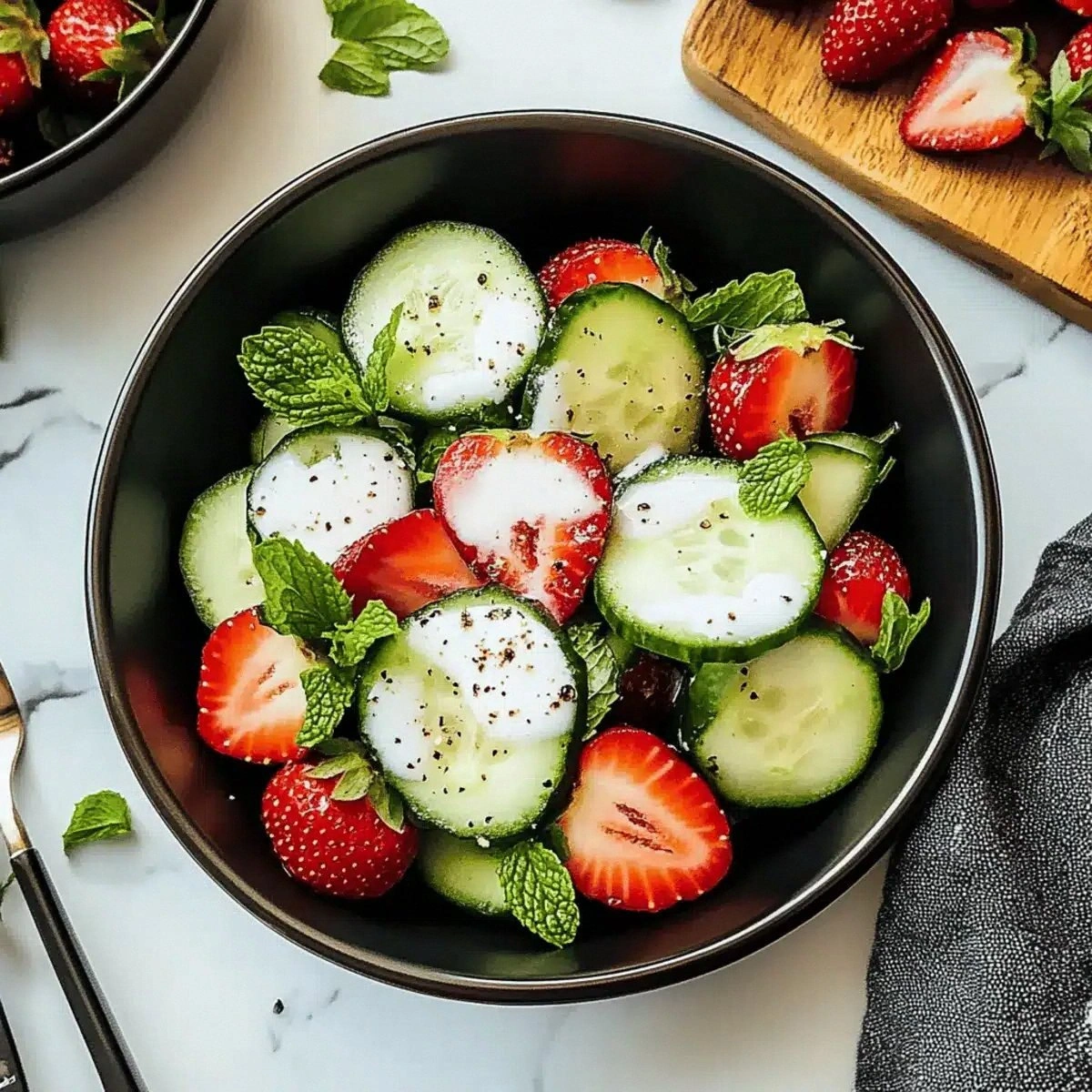
English cucumbers are the star here, and here's why: they have thinner skin, fewer seeds, and a sweeter flavor than their regular counterparts. The skin is so tender you don't need to peel it, which not only saves time but also adds a gorgeous green color and extra nutrients. When selecting your cucumbers, look for ones that feel heavy for their size and have smooth, unblemished skin. If you can only find regular cucumbers, they'll work, but you'll want to peel them and scoop out the seeds to avoid any bitterness.
The real game-changer? Using a mandoline to slice them paper-thin. This isn't just about pretty presentation — thin slices mean more surface area for our magical feta dressing to cling to. If you don't have a mandoline, a sharp knife works, but aim for slices no thicker than a credit card. Trust me, your future self will thank you when every forkful is perfectly dressed and balanced.
The Flavor Bomb: Feta That Makes Greek Grandmothers Weep
Not all feta is created equal, and this is where most recipes go wrong. Pre-crumbled feta is convenient, but it's often dry and lacks the creamy, tangy punch that makes this salad sing. Buy your feta in a block, preferably Greek or French feta packed in brine. The brine keeps it moist and flavorful, while block feta gives you control over the texture.
Here's where it gets interesting: we're not just crumbling this feta. We're transforming it into a creamy dressing by blending it with olive oil, lemon juice, and a touch of honey. This creates a dressing that clings to every cucumber slice like a silky veil, ensuring that feta flavor is present in every single bite. It's like turning your feta into a luxurious sauce that elevates everything it touches.
The Fresh Brigade: Herbs That Wake Up Your Palate
Dill and mint might seem like an odd couple, but together they create a flavor profile that's both refreshing and complex. Fresh dill brings a slightly sweet, grassy note that complements the cucumber beautifully, while mint adds a cooling element that makes this salad perfect for hot summer days. Don't you dare use dried herbs here — they have no place in this fresh, vibrant salad.
When chopping your herbs, channel your inner chef and use a sharp knife. A dull knife will bruise the herbs, causing them to darken and lose their bright flavor. The goal is to slice through them cleanly, preserving their color and essential oils. And here's a tip that will change your herb game: keep the stems! The stems of dill are packed with flavor and add a nice textural element to the salad.
The Unexpected Star: Red Onion's Transformation
Raw red onion can be harsh and overwhelming, but when treated properly, it becomes a sweet, tangy element that adds depth to the salad. The secret? A quick pickle in red wine vinegar. Just ten minutes in vinegar transforms harsh raw onion into something mellow and complex. The vinegar also adds acidity that balances the richness of the feta and the sweetness of the cucumbers.
Cut your red onion as thinly as possible — we're talking see-through thin. A mandoline is your friend here, but a very sharp knife works too. The goal is to create onion slices that almost melt into the salad, providing flavor without overwhelming any single bite. If you're an onion skeptic, start with half the amount and adjust to taste.
Everything's prepped? Good. Let's get into the real action...
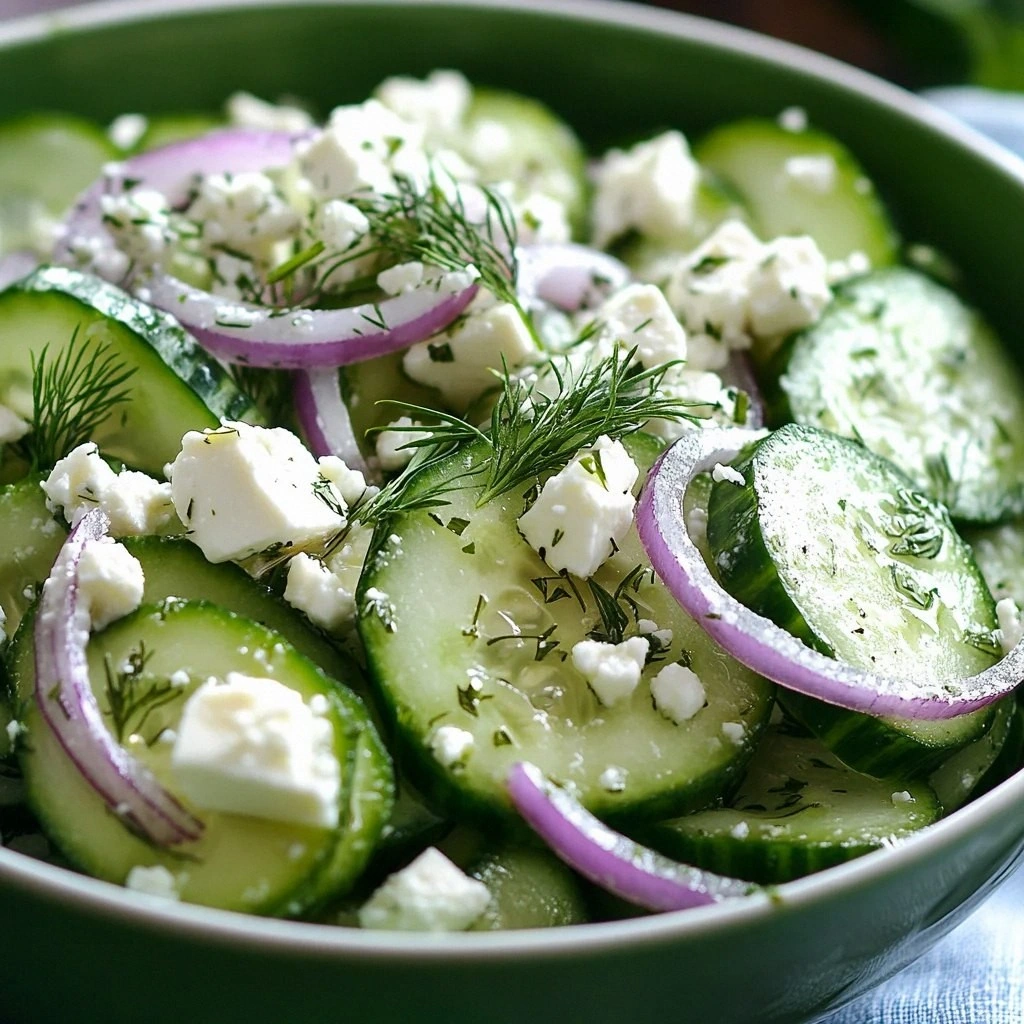
The Method — Step by Step
Now we're getting to the good stuff — the moment where simple ingredients transform into something extraordinary. Pay attention here, because these steps aren't just suggestions; they're the difference between a good salad and a life-changing one. I've made this recipe hundreds of times, and each step has been refined through trial, error, and the occasional kitchen disaster. Let's do this right.
- The Salt Draw: Where Magic Begins
Start by placing your thinly sliced cucumbers in a large colander set over a bowl. Sprinkle them with two teaspoons of kosher salt and toss gently to coat every slice. This isn't about seasoning — it's about drawing out excess water that would otherwise turn your beautiful salad into a watery mess. Let them sit for 30 minutes, during which time you'll see water pooling in the bowl below. This step is non-negotiable; it's what keeps your cucumbers crisp and concentrates their flavor. After 30 minutes, rinse the cucumbers under cold water to remove excess salt, then wrap them in a clean kitchen towel and squeeze gently to remove any remaining water. The cucumbers should feel firm and almost snap when you bend them. - The Onion Transformation
While your cucumbers are doing their thing, slice your red onion paper-thin and place it in a small bowl. Cover it with red wine vinegar and let it sit for at least 10 minutes. This isn't just about mellowing the harshness — it's about creating a sweet-tart element that will make people wonder what your secret ingredient is. The vinegar will turn a beautiful shade of pink, and the onion will become translucent and mild. After 10 minutes, drain the onion but reserve the vinegar — we're using that liquid gold in our dressing. - The Feta Alchemy
Here's where things get interesting. Take your block of feta and crumble about half of it into a food processor. Add two tablespoons of the reserved vinegar from the onions, three tablespoons of good olive oil, a teaspoon of honey, and a generous crack of black pepper. Blend until smooth and creamy, stopping to scrape down the sides as needed. The result should be a luxurious, spreadable feta cream that's tangy, slightly sweet, and completely addictive. Don't taste it yet — you might eat it all with a spoon and forget about the salad entirely. - Herb Preparation: Handle with Care
Wash your herbs and pat them completely dry with paper towels. Water on herbs will dilute your dressing and make everything sad. Remove the leaves from the mint stems, but keep the dill stems — they're tender and flavorful. Stack your mint leaves, roll them into a tight cigar shape, and slice them into thin ribbons. This technique, called chiffonade, creates elegant strips that distribute evenly throughout the salad. Roughly chop the dill, including most of the tender stems. - The Grand Assembly
In your largest bowl, combine the drained cucumbers, pickled red onions, and most of the herbs (save some for garnish). Add about three-quarters of your feta cream and gently fold everything together using a rubber spatula. The key word here is gentle — you want to coat the cucumbers, not crush them. The dressing should cling to every slice, creating a glossy coating that makes the cucumbers look like they're wearing silk. Add more dressing if needed, but err on the side of less; you can always add more, but you can't take it away. - The Final Flourish
Transfer the salad to a serving bowl and artfully arrange the remaining feta cream on top. It doesn't have to be perfect — a few dollops here and there create visual interest and let people know what they're in for. Scatter the remaining herbs over the top, add a drizzle of good olive oil, and finish with a crack of fresh black pepper. If you're feeling fancy, add a few toasted pine nuts for crunch. - The Taste TestFun Fact: The word "salad" comes from the Latin "herba salata," meaning "salted herbs." We've been drawing moisture from vegetables and dressing them for over two thousand years.
Now for the moment of truth. Take a bite and prepare for your brain to do a little happy dance. The cool, crisp cucumber should give way to the creamy, tangy feta dressing, while the herbs provide bright pops of flavor. The pickled onion should add sweet-tart notes that make your taste buds sit up and pay attention. If it needs anything — more salt, more acid, more herbs — now's the time to adjust. But I'm betting you'll find it's pretty perfect as is.
That's it — you did it. But hold on, I've got a few more tricks that'll take this to another level...
Insider Tricks for Flawless Results
After making this salad more times than I can count, I've discovered some game-changing tricks that separate the good from the absolutely legendary. These aren't just nice-to-know tips — they're the secrets that will make people think you went to culinary school in your spare time. Some of these I discovered by accident, others through stubborn persistence, but all of them will elevate your salad from delicious to unforgettable.
The Temperature Rule Nobody Follows
Serve this salad cold — I mean really cold. After you've assembled it, cover it and let it chill in the refrigerator for at least 30 minutes before serving. The cold temperature makes the cucumbers even crisper and helps the flavors meld together beautifully. I keep my serving bowl in the freezer for 10 minutes before plating, which ensures the salad stays crisp even on a hot day. If you're serving this at a barbecue or outdoor event, nestle the serving bowl in a larger bowl filled with ice. Your guests will wonder how you managed to keep everything so perfectly crisp despite the heat.
Why Your Nose Knows Best
Here's something that will change how you taste food forever: smell your herbs before adding them. No, really. Rub a mint leaf between your fingers and take a deep breath. If it doesn't smell intensely minty, you need more. Same with dill — it should smell like a summer garden after rain. I've made this salad with herbs that looked perfect but had no aroma, and the result was disappointingly flat. Your nose is your best tool for determining if your herbs are going to deliver the flavor punch this salad deserves.
The 5-Minute Rest That Changes Everything
After you've mixed everything together, let the salad rest for exactly five minutes before serving. This isn't about cooling — it's about allowing the flavors to meld and the dressing to slightly penetrate the cucumbers. Too short, and the flavors stay separate. Too long, and your cucumbers start releasing water. Five minutes is the sweet spot where everything comes together in perfect harmony. Set a timer and resist the urge to taste during this time. Trust the process.
The Texture Balance Most People Miss
The difference between a good salad and a great one often comes down to texture. Every bite should have contrast — creamy dressing, crisp cucumber, and a crunchy element. I add toasted pine nuts just before serving, but you could use toasted almonds, pistachios, or even crispy chickpeas. The key is adding them at the very end so they stay crunchy. I've also been known to add a handful of pomegranate seeds when they're in season, which adds pops of juicy sweetness and beautiful color.
The Presentation Secret
Don't just dump everything in a bowl and call it a day. Layer your ingredients artfully, with the most beautiful pieces on top. Create little mounds of cucumbers rather than a flat surface, drizzle the remaining feta cream in artistic swirls, and place whole herb leaves strategically. People eat with their eyes first, and taking an extra 30 seconds to make your salad visually appealing makes it taste better. It's psychology, not just aesthetics. When something looks beautiful, our brains expect it to taste amazing, and that expectation actually influences how we perceive flavor.
Creative Twists and Variations
This recipe is a playground. Here are some of my favorite ways to switch things up when I'm feeling adventurous or when I need to use up ingredients languishing in my refrigerator. Each variation maintains the soul of the original while adding a new dimension that keeps things interesting.
The Mediterranean Vacation
Add a handful of halved cherry tomatoes, some sliced Kalamata olives, and a sprinkle of oregano to transform this into a Greek island experience. The tomatoes add juicy sweetness, the olives bring briny depth, and the oregano evokes Mediterranean hillsides. I like to use a mix of red and yellow tomatoes for visual appeal. Finish with a drizzle of really good Greek olive oil — the kind that makes you understand why ancient Greeks considered it liquid gold.
The Middle Eastern Nights
Swap the feta for goat cheese, add a teaspoon of za'atar to the dressing, and sprinkle everything with sumac before serving. The za'atar adds complex herbaceous notes, while sumac provides a tangy, lemony flavor that's completely different from anything in the original. Add some diced preserved lemon if you're feeling fancy. This version pairs beautifully with grilled lamb or as part of a mezze spread.
The Asian Fusion Adventure
Replace the red wine vinegar with rice vinegar, add a teaspoon of toasted sesame oil to the dressing, and toss in some thinly sliced scallions. Top with toasted sesame seeds and a few strips of pickled ginger. This version is lighter and more delicate, perfect as a palate cleanser between heavier dishes. The sesame oil adds incredible depth without overwhelming the fresh flavors.
The Protein Powerhouse
Add a cup of cooked quinoa and a can of drained chickpeas to turn this side dish into a complete meal. The quinoa adds nutty flavor and makes it more filling, while chickpeas provide protein and a creamy texture that complements the feta beautifully. This is my go-to for meal prep — it keeps beautifully for three days and actually improves as the flavors meld.
The Spicy Rebel
Add a finely minced jalapeño to the dressing and a pinch of Aleppo pepper for a gentle heat that builds slowly. The cooling cucumbers and herbs balance the spice perfectly, creating a salad that's refreshing with a surprising kick. I like to serve this version with grilled chicken or fish — the spice adds excitement without overwhelming the main dish.
The Winter Comfort
When cucumbers are out of season, substitute thinly sliced fennel and celery for a winter version that's equally refreshing. The fennel adds a subtle anise flavor that pairs beautifully with the feta, while celery provides the same crisp texture. Add some segments of orange or grapefruit for brightness, and you've got a salad that works even when snow is falling outside.
Storing and Bringing It Back to Life
One of the best things about this salad is that it keeps better than most, but even the best things need proper care. Here's how to store leftovers without turning them into a soggy mess, and how to revive them when they've been sitting a bit too long.
Fridge Storage
Store any leftovers in an airtight container in the refrigerator for up to three days. The key is to press plastic wrap directly onto the surface of the salad before sealing the container — this prevents the cucumbers from oxidizing and keeps everything fresh. If you've added nuts, store them separately in a small container and add them just before serving to maintain their crunch. The salad will release some water as it sits, but don't panic. Simply drain off any excess liquid before serving, or better yet, save it for a vinaigrette base.
Freezer Friendly
I don't recommend freezing this salad — cucumbers don't take well to freezing, and the feta cream will separate into an unappetizing mess. However, you can freeze the feta cream separately for up to a month. Just thaw it overnight in the refrigerator and give it a good stir before using. If you find yourself with too many cucumbers, slice and salt them according to the recipe, then freeze them in single layers on a baking sheet. Once frozen, transfer to a freezer bag and use them in cooked dishes where texture isn't as critical.
Best Reheating Method
This salad is meant to be served cold, so reheating isn't applicable. But if your leftovers have been in the fridge and seem a bit tired, here's how to revive them: drain any excess liquid, add a splash of fresh lemon juice and olive oil, and toss in some fresh herbs. A handful of new herbs can completely transform day-old salad, making it taste almost as good as fresh. If the cucumbers have lost their crunch, embrace the softer texture and call it a marinated salad — it's a different experience but equally delicious.