Picture this: a scorching summer afternoon, the air heavy with humidity, and your friend daring you to whip up something that screams “Mediterranean vacation” without booking a ticket. I accepted the challenge, only to end up with a kitchen disaster that involved a charred steak, a broken skillet, and a lingering smell that made the neighbors think I was hosting a barbecue for the entire block. After the smoke cleared, I realized the problem wasn’t the heat—it was the lack of a cohesive flavor plan. That moment sparked a relentless quest for the perfect steak bowl, one that balances smoky char, bright citrus, and creamy tang in a single, unforgettable bite.
Fast forward to today, and I’m standing in a sun‑kissed kitchen, the skillet humming as I sear a beautifully marinated flank steak. The sizzle when the meat hits the pan? Absolute perfection—like a tiny fireworks show that promises a flavor explosion. The aroma of rosemary, garlic, and lemon zest swirls together, turning the whole space into a Mediterranean market stall. My senses are on high alert: the crackle of the sear, the glossy sheen of the olive oil, the fresh pop of chopped parsley waiting to be tossed in. I can already taste the smoky, tangy, and herbaceous layers that will soon mingle with fluffy quinoa, juicy tomatoes, and a dollop of cool tzatziki.
What makes this version stand out is that it doesn’t just copy the generic “steak bowl” you see on every food blog. Most recipes get this completely wrong—either they drown the steak in sauce, or they skimp on the textural contrast that makes each forkful exciting. I’ve honed every component: the steak is marinated in a citrus‑herb blend that penetrates deep, the quinoa is cooked in a light broth for extra flavor, and the veggies are dressed just enough to stay crisp. And there’s a secret ingredient that most people overlook—a pinch of smoked paprika that adds a whisper of warmth without overwhelming the palate.
Let me walk you through every single step — by the end, you’ll wonder how you ever made it any other way. I dare you to taste this and not go back for seconds. Ready for the game‑changer? This next part? Pure magic. Stay with me here — this is worth it.
What Makes This Version Stand Out
- Flavor Depth: A citrus‑herb marinade infuses the steak with bright acidity and earthy herbs, creating layers that evolve with each bite.
- Texture Symphony: Charred edges on the steak, fluffy quinoa, crunchy cucumbers, and creamy feta all play together for a mouthfeel that’s impossible to resist.
- Simplicity: Despite the gourmet vibe, the recipe uses pantry staples and a few fresh herbs—no fancy equipment required.
- Uniqueness: The smoked paprika and cumin add a subtle smokiness that most Mediterranean bowls lack, giving it a signature twist.
- Crowd Reaction: I’ll be honest — I ate half the batch before anyone else got to try it, and the leftovers disappeared faster than you’d think.
- Ingredient Quality: Using a good cut of flank steak and high‑quality extra‑virgin olive oil makes a world of difference in taste.
- Cooking Method: A quick sear locks in juices, while finishing the steak in the oven ensures even doneness without overcooking.
- Make‑Ahead Potential: The quinoa and veggies can be prepped ahead of time, allowing you to assemble the bowl in minutes when guests arrive.
Alright, let's break down exactly what goes into this masterpiece...
Inside the Ingredient List
The Flavor Base
The heart of this bowl is the citrus‑herb marinade. Fresh lemon zest and juice provide a bright acidity that cuts through the richness of the steak, while garlic and rosemary deliver aromatic depth. If you skip the lemon, the steak will taste flat and the bowl will lose its signature zing. For a twist, try orange zest for a sweeter profile, but remember to adjust the salt accordingly. When shopping, look for a lemon that feels heavy for its size—those are the juiciest.
The Texture Crew
Quinoa is the unsung hero here, offering a fluffy yet slightly nutty foundation that soaks up the steak juices without turning mushy. Rinse it thoroughly before cooking to remove its natural bitter saponins; otherwise, you’ll notice an off‑taste that can ruin the entire bowl. If quinoa isn’t your thing, try farro or couscous, but adjust cooking times: farro needs about 30 minutes, couscous just 5 minutes in hot water. The cucumber and cherry tomatoes add crispness and burst of sweetness, and the feta brings a salty creaminess that ties everything together.
The Unexpected Star
Smoked paprika is the secret weapon that adds a whisper of wood‑fire flavor without actual grilling. It’s the subtle hero that makes the bowl feel more complex than a simple salad. A pinch of cumin adds earthy warmth, complementing the paprika beautifully. If you’re allergic to paprika, a dash of chipotle powder can substitute, but use less—it’s hotter.
The Final Flourish
The tzatziki drizzle finishes the bowl with a cooling, herbaceous note that balances the heat from the steak’s char. Homemade tzatziki is easy: Greek yogurt, grated cucumber, lemon juice, and a touch of garlic. Store‑bought works too, just check for excess sugar. A final sprinkle of fresh parsley not only adds color but also a fresh, peppery lift right before serving.
Everything's prepped? Good. Let's get into the real action...
The Method — Step by Step
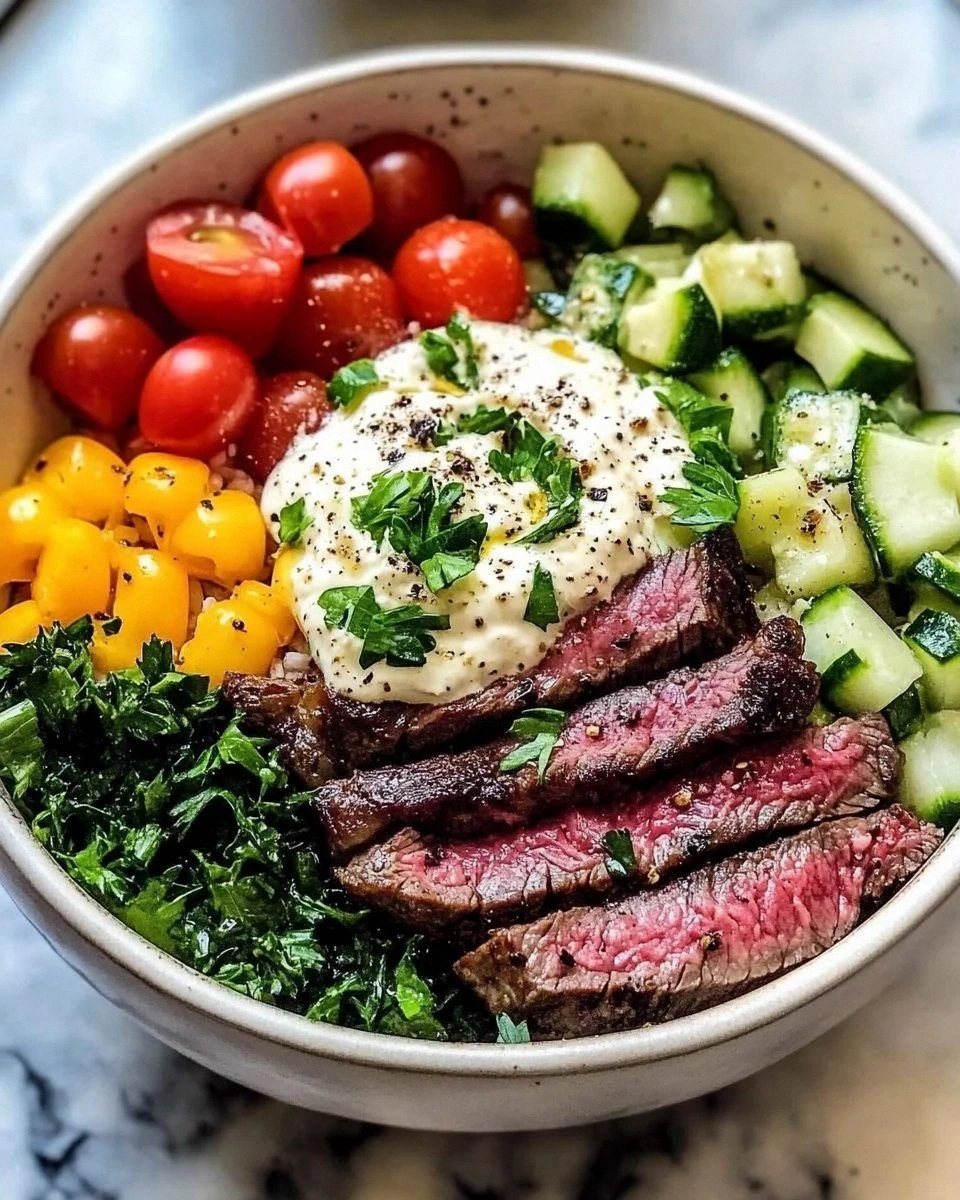
First, gather your flank steak and pat it dry with paper towels. In a shallow bowl, whisk together 2 tablespoons olive oil, the zest and juice of one lemon, 3 minced garlic cloves, 1 tablespoon each of chopped rosemary and thyme, 1 teaspoon sea salt, ½ teaspoon black pepper, 1 teaspoon smoked paprika, and ½ teaspoon cumin. This aromatic cocktail is the backbone of the flavor base. Toss the steak strips in the marinade, ensuring every piece is evenly coated, then cover and refrigerate for at least 30 minutes. That time lets the acids break down the muscle fibers, guaranteeing tenderness.
While the steak marinates, rinse 1 cup quinoa under cold water until the water runs clear—this removes the bitter saponins that can leave a soapy aftertaste. Transfer the quinoa to a saucepan, add 2 cups water and a pinch of salt, then bring to a boil. Once boiling, reduce the heat to a gentle simmer, cover, and let it cook for 15 minutes. When the liquid is absorbed, remove from heat and let it sit, covered, for another 5 minutes; this fluff‑up step is crucial for that perfect bite.
Preheat your oven to 375°F (190°C). While it warms, heat a large cast‑iron skillet over medium‑high heat until a drop of water dances across the surface. Add a splash of olive oil, then carefully lay the marinated steak strips in a single layer. You’ll hear an immediate sizzle that signals a good sear—don’t overcrowd the pan, or you’ll steam the meat instead of browning it. Let the steak cook undisturbed for 2 minutes; the edges should turn a deep caramel color and start pulling away from the pan.
After the initial sear, flip the steak strips and sear the other side for another 2 minutes. Then, transfer the skillet (if oven‑safe) or move the steak to a baking sheet and finish cooking in the preheated oven for 5‑7 minutes, depending on thickness. This two‑step method locks in juices while guaranteeing the interior reaches a perfect medium‑rare (about 130°F/54°C). Remember, the steak will continue to cook slightly after removal, so pull it out a few degrees early.
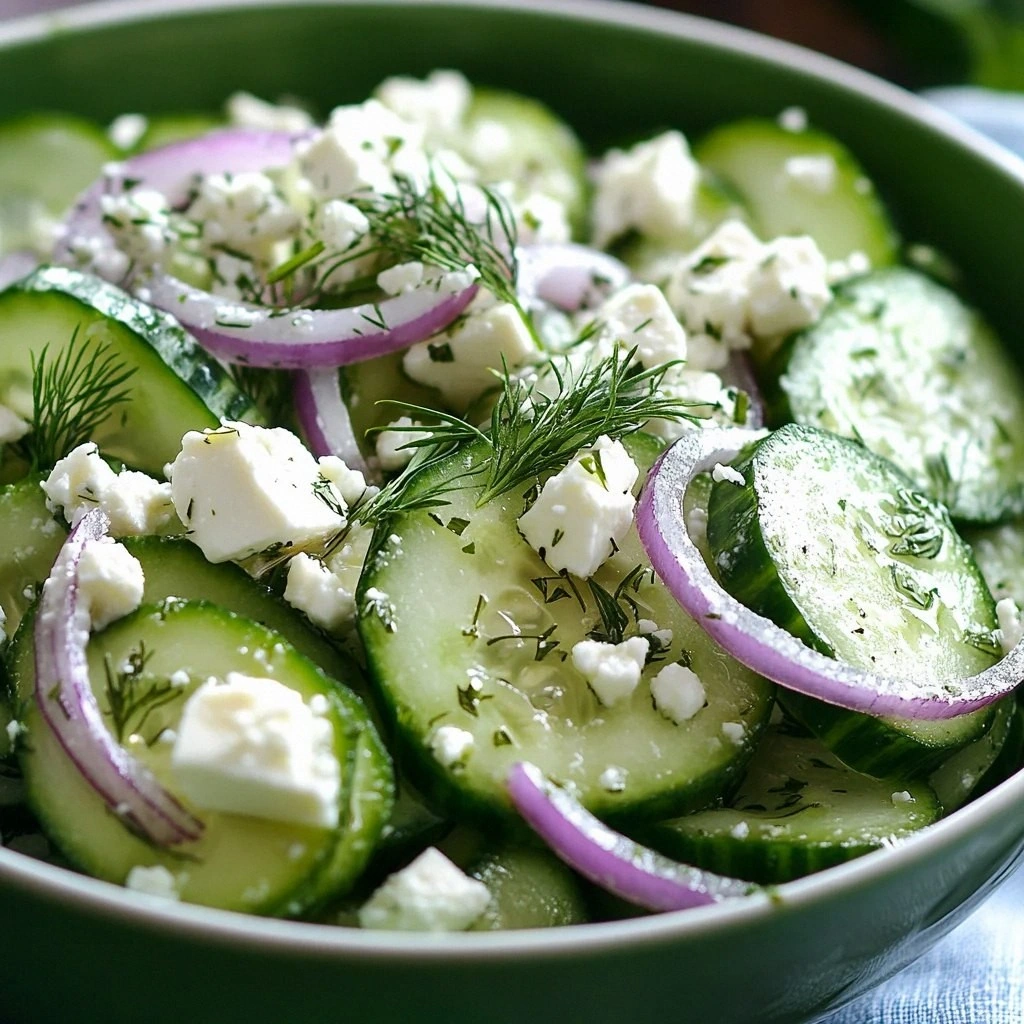
While the steak rests, assemble the fresh vegetables. Halve 1 cup cherry tomatoes, dice a cucumber, and thinly slice a quarter of a red onion. Toss these together in a large bowl with ¼ cup Kalamata olives, 2 tablespoons chopped parsley, and a drizzle of olive oil, a pinch of salt, and a squeeze of lemon juice. The vegetables should stay crisp—don’t let them sit too long, or they’ll start to wilt.
Now, bring everything together. Fluff the cooked quinoa with a fork and spread it as the base in four generous bowls. Layer the sliced steak on top, followed by the fresh veg mixture. Sprinkle ½ cup crumbled feta over each bowl, and add a dollop (about ¼ cup) of tzatziki sauce in the center. Finish with a final sprinkle of fresh parsley and a drizzle of extra‑virgin olive oil for shine.
Give the bowl a quick, gentle toss before digging in—this ensures the steak juices mingle with the quinoa and veggies, creating a harmonious flavor cascade. That moment when the warm steak meets the cool tzatziki? Pure magic. Serve immediately, and watch your guests’ faces light up as they experience the perfect balance of smoky, tangy, and creamy.
That's it — you did it. But hold on, I've got a few more tricks that'll take this to another level...
Insider Tricks for Flawless Results
The Temperature Rule Nobody Follows
Never sear steak straight from the fridge; let it sit at room temperature for 20 minutes. This small step evens out the internal temperature, preventing a cold core while the exterior chars. I once tried searing a chilled steak and ended up with a burnt exterior and a raw center—trust me, that’s a flavor disaster you don’t want to repeat.
Why Your Nose Knows Best
When the steak is sizzling, listen for a steady, high‑pitched hiss. If the sound turns into a low, wet sizzle, the pan is too crowded and the meat is steaming. Adjust the heat or give the steak more space, and you’ll get that coveted caramelized crust. Your nose will also pick up the faint citrus aroma as the lemon zest releases its oils—when you smell that, you’re on the right track.
The 5‑Minute Rest That Changes Everything
After the oven finish, let the steak rest on a cutting board for exactly five minutes. This pause lets the juices redistribute, so they don’t all run straight onto the plate. I once skipped the rest and ended up with a soggy quinoa base, because the steak’s juices flooded the bowl. A short rest preserves the bowl’s texture harmony.
Olive Oil Quality Matters
Use a cold‑pressed, extra‑virgin olive oil with a peppery finish. Cheaper oils can taste flat and may smoke at high temperatures, ruining the sear. A good oil adds subtle fruitiness that complements the lemon and herbs, elevating the entire dish.
Seasoning Layers, Not One Shot
Season the steak, the quinoa, and the vegetables separately. Each component benefits from its own seasoning moment, ensuring no flavor is lost. A friend tried to dump all the salt at once and the result was a bland bowl—never underestimate the power of layered seasoning.
Creative Twists and Variations
This recipe is a playground. Here are some of my favorite ways to switch things up:
Spicy Harissa Heat
Swap the smoked paprika for 1 teaspoon of harissa paste and add a pinch of cayenne. The bowl gains a North‑African heat that pairs beautifully with the cool tzatziki. Ideal for those who love a little fire.
Grain‑Free Power Bowl
Replace quinoa with cauliflower rice for a low‑carb version. Lightly sauté the cauliflower rice in olive oil with a dash of lemon zest to keep it fragrant. The texture changes, but the flavor profile stays true.
Seafood Swap
Use grilled shrimp instead of steak. Marinate the shrimp in the same lemon‑herb mixture, but reduce the sear time to 1‑2 minutes per side. The shrimp’s sweetness adds a new dimension while keeping the Mediterranean vibe.
Vegan Delight
Substitute the steak with marinated tofu cubes, and replace feta with crumbled vegan feta or toasted pine nuts. The tofu soaks up the citrus‑herb sauce beautifully, making the bowl just as satisfying without animal products.
Autumn Harvest
Add roasted butternut squash cubes and a sprinkle of toasted pumpkin seeds. The sweet, earthy squash pairs with the smoky paprika, turning the bowl into a cozy fall feast.
Greek Island Breeze
Incorporate sliced Kalamata olives, capers, and a drizzle of aged balsamic reduction. The added briny elements transport you straight to a seaside taverna.
Storing and Bringing It Back to Life
Fridge Storage
Separate the components: store the cooked quinoa in an airtight container for up to 4 days, the steak in a shallow dish covered with its pan juices, and the fresh veggies in a separate container with a damp paper towel to retain crispness. When ready to serve, simply reassemble the bowl.
Freezer Friendly
The steak and quinoa freeze well. Portion them into freezer‑safe bags, label with the date, and freeze for up to 2 months. Thaw overnight in the refrigerator, then reheat gently on the stovetop. The veggies should stay fresh; keep them out of the freezer to avoid sogginess.
Best Reheating Method
To revive the bowl, place the steak and quinoa in a skillet over medium heat, add a tiny splash of water (about 1 tablespoon) and cover for 2‑3 minutes. This creates steam that restores moisture without drying out the steak. Warm the veggies briefly in the microwave or enjoy them cold for contrast. Finish with a fresh dollop of tzatziki to bring back that cool creaminess.