The night I tried to make a quick dinner from a box of ramen, I ended up with a steaming pile of soggy noodles and a chicken thigh that was drier than a desert. I stared at the pot, wondering why the broth tasted like a lukewarm soup from a vending machine. That moment was the catalyst that drove me to create a version that would make my taste buds sing, my kitchen smell like a summer garden, and my friends beg for seconds. If you’ve ever felt the disappointment of a mediocre instant noodle experience, this is your redemption story.
Picture this: a pot of fragrant broth bubbling over, the aroma of lemongrass and ginger weaving through the air like a scented banner. The sound of the pan sizzling as butter melts into the oil, the hiss of garlic hitting the heat, and the gentle clink of a wooden spoon. The visual feast of golden brown chicken thighs searing, the glossy sheen of soy sauce coating them, and the steam rising like a promise of warmth. The taste is a layered symphony—savory, slightly citrusy, with a whisper of heat that lingers on the palate. The texture is a balance: tender chicken, silky noodles, crisp carrots, and the satisfying snap of fresh green onions.
What sets this recipe apart from the endless variations you find online is that it starts with a sauce that coats the noodles like velvet, not just a thin broth. It incorporates a double layer of soy sauce and rice wine vinegar, giving depth without overpowering. The use of lemongrass and lemon juice creates a bright, refreshing counterpoint to the rich umami of chicken and butter. I dare you to taste this and not go back for seconds; the flavor profile is addictive. By the end of this guide, you’ll wonder how you ever made ramen any other way.
I’m going to walk you through every single step, from the moment you open the pantry to the final garnish. There will be micro-challenges, bold claims, and a few kitchen hacks that will elevate your dish from simple to spectacular. Picture yourself pulling this out of the pot, the whole kitchen smelling incredible, and the plate looking like a work of culinary art. Ready to turn your kitchen into a ramen studio? Let’s dive in.
What Makes This Version Stand Out
- Flavor Depth: The double soy sauce and vinegar layers create a complex umami base that feels both comforting and adventurous. The fresh citrus from lemon juice and the aromatic lemongrass lift the broth, making it feel light yet full-bodied.
- Texture Balance: Tender, juicy chicken thighs meet silky noodles, crisp carrots, and a buttery sheen that gives the dish a luxurious mouthfeel. The final touch of fresh green onions and sesame seeds adds crunch and a pop of color.
- Ingredient Quality: Using extra virgin olive oil and fresh shiitake mushrooms brings a subtle nutty flavor that sets this recipe apart from the usual canned broth or instant noodles.
- Simplicity: Despite its depth, the recipe requires only a single pot and a few kitchen staples, making it accessible for both beginners and seasoned cooks.
- Make‑Ahead Potential: The broth can be prepared a day ahead, allowing flavors to meld; the noodles are cooked just before serving, ensuring they stay al dente.
- Versatility: The recipe’s core can be adapted with different proteins, vegetables, or spice levels, making it a canvas for culinary experimentation.
Alright, let’s break down exactly what goes into this masterpiece. First, let’s talk about the ingredients that make the magic happen.
Inside the Ingredient List
The Flavor Base
The heart of any ramen is its broth, and this recipe starts with a homemade chicken stock that is both robust and nuanced. The 64 ounces of chicken broth (equivalent to eight cups) form the liquid canvas, absorbing the aromatic notes of garlic, shallots, ginger, and lemongrass. Each of these aromatics is sautéed in olive oil until fragrant, creating a fragrant base that elevates the broth from bland to unforgettable. If you skip this step, you’ll end up with a watery soup that feels like it’s missing its soul.
Olive oil, though not traditional in Japanese cuisine, brings a subtle fruity undertone that complements the soy sauce. The 2 tablespoons of extra virgin olive oil are a deliberate choice; it has a higher smoke point and a clean flavor that doesn’t overpower the delicate herbs. When you sauté the aromatics, the oil’s oils coat the pan and help the spices release their essential oils, turning a simple broth into a complex flavor profile.
The 2 teaspoons of minced shallots add a gentle sweetness that balances the umami, while the 2 teaspoons of minced garlic provide a pungent punch. Together, they form the first layer of depth. The 1.5 teaspoons of grated ginger and 1 teaspoon of lemongrass introduce bright, citrusy undertones that keep the broth from feeling heavy. This combination of aromatics is a micro-challenge: keep the heat low to prevent bitterness, yet allow enough time for the flavors to meld.
The Protein Ensemble
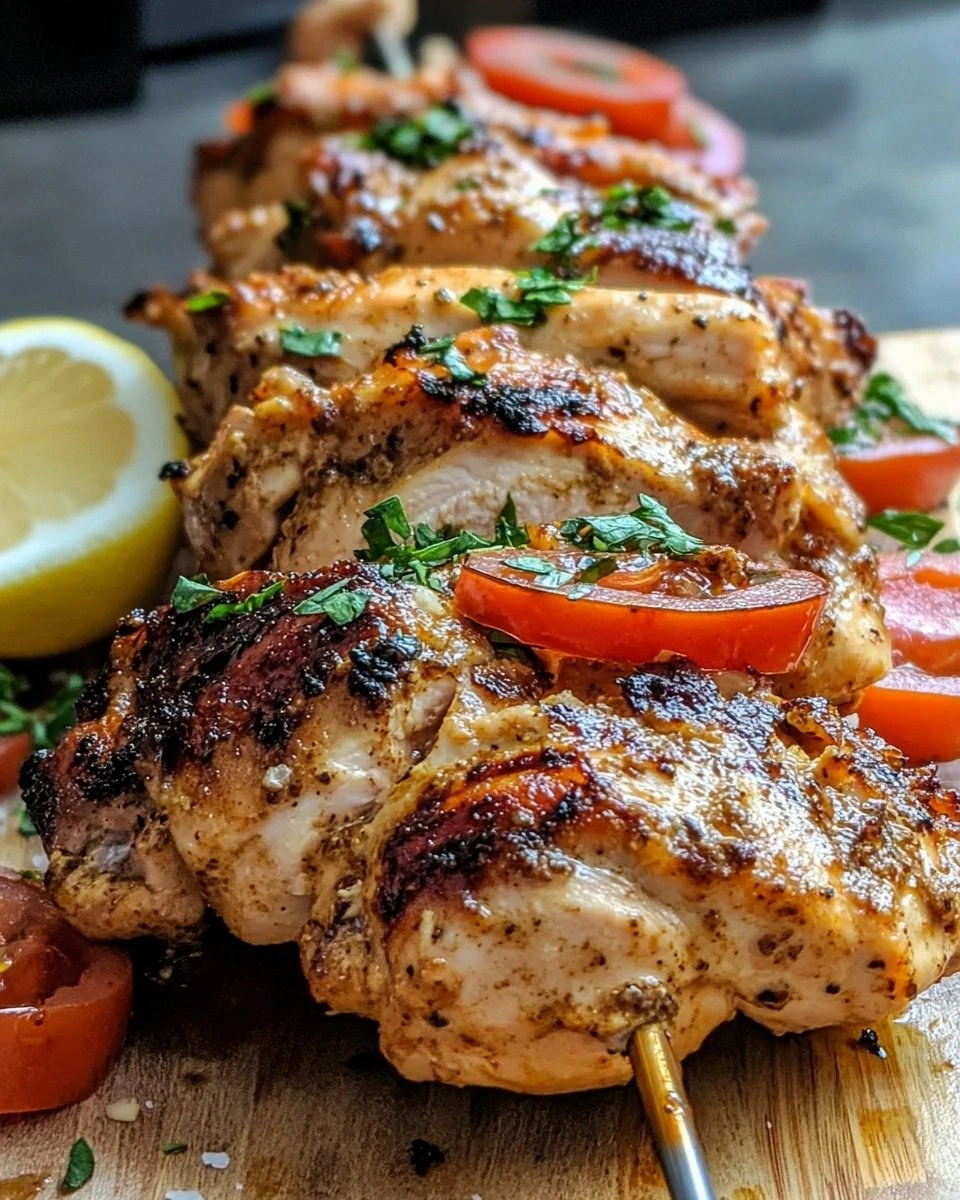
The star of the show is the chicken thighs—six of them, to be precise. Chicken thighs are chosen for their higher fat content, which keeps the meat tender and juicy even after simmering. The thighs are first seared in a hot pan with a splash of olive oil until they develop a golden crust; this caramelization adds a savory depth that is hard to replicate with chicken breast. The searing process also helps seal in the juices, ensuring each bite is succulent.
After browning, the thighs are submerged in the broth and allowed to simmer for 30 minutes. During this time, the meat absorbs the aromatic broth, becoming infused with the complex flavors. If you use chicken breasts instead, you’ll need to cook them longer or add a bit more butter to compensate for the lack of fat, or risk ending up with dry, cardboard-like meat.
The 0.75 teaspoon of kosher salt is added to the broth at the start, ensuring that the seasoning is evenly distributed. Salt is a flavor enhancer; it pulls out the natural flavors of the chicken and vegetables, making each component taste fuller. Skipping the salt will leave your ramen tasting flat, no matter how many other ingredients you add.
The Texture Crew
Noodles are the vehicle that carries the broth to your taste buds, and this recipe calls for 12-16 ounces of ramen noodles—ideally fresh or high-quality dried noodles that have a firm bite. The noodles are cooked in a separate pot of boiling water for exactly 3 minutes, then drained and tossed with a splash of butter to keep them from sticking. The butter not only adds richness but also coats the noodles, creating a silky surface that clings to the broth.
The 8 ounces of sliced shiitake mushrooms bring an earthy umami that complements the chicken. Mushrooms are sautéed in the same pan after the chicken is removed, absorbing the leftover oils and flavors. This step is a micro-challenge: cook the mushrooms until they’re golden but not overcooked, or they’ll become mushy and lose their bite.
Fresh carrots, sliced into julienne strips, add a sweet crunch that balances the savory broth. The 1 cup of carrots is blanched briefly before being added to the pot, ensuring they remain crisp. If you skip the blanching step, the carrots will release water, diluting the broth’s flavor and making the dish soggy.
The Final Flourish
The final touch is the garnish, which brings color, texture, and a burst of freshness to each bowl. Fresh cilantro, sliced thinly, adds a bright, herbal note that cuts through the richness. 0.25 cup of chopped green onions offers a mild onion flavor and a pop of green color. A sliced jalapeño provides heat, while a drizzle of Sriracha adds a smoky, sweet kick. Finally, a sprinkle of sesame seeds offers a nutty aroma and a satisfying crunch.
The 1 teaspoon of rice wine vinegar and 1 teaspoon of lemon juice are added at the end of cooking to brighten the broth. These acidic elements prevent the dish from feeling too heavy and create a balanced, layered taste that lingers on the palate. If you omit these, the ramen will taste flat and overly savory. Everything’s prepped? Good. Let’s get into the real action.
The Method — Step by Step
- Heat a large pot over medium-high heat and add the 2 tablespoons of extra virgin olive oil. Once shimmering, add the minced shallots, garlic, grated ginger, and lemongrass. Sauté until fragrant—about 2 minutes—watching for any signs of burning. This is the moment of truth; if the aromatics start to brown too quickly, lower the heat and continue to stir.
- Pour in the 64 ounces of chicken broth and stir in 2 tablespoons of soy sauce, 0.25 teaspoon of sesame oil, 1 teaspoon of rice wine vinegar, 1 teaspoon of lemon juice, and 0.75 teaspoon of kosher salt. Bring the mixture to a gentle boil, then reduce to a simmer. The broth should develop a rich amber hue and a fragrant steam that rises like a promise of warmth.
- Season the chicken thighs with a pinch of salt and pepper, then add them to the simmering broth. Cover the pot and let the chicken cook for 30 minutes, turning occasionally. The thighs should become tender and the broth should thicken slightly, absorbing the flavors of the meat.
- While the chicken simmers, bring a separate pot of salted water to a rolling boil. Add the ramen noodles and cook for exactly 3 minutes, stirring occasionally to prevent sticking. Once cooked, drain the noodles and toss them with 3 tablespoons of butter to coat and prevent clumping.
- After the chicken has finished simmering, remove the thighs from the pot and let them rest for a few minutes. Reserve the broth and keep it hot. If you’re short on time, you can shred the chicken directly in the pot; otherwise, slice into bite-sized pieces for a more elegant presentation.
- Add the sliced shiitake mushrooms to the pot and let them simmer in the broth for 5 minutes, allowing them to absorb the flavors. The mushrooms should become tender but still hold their shape. If you prefer a stronger mushroom flavor, you can sauté them separately in a pan with a bit of butter before adding them to the broth.
- Return the chicken pieces to the pot and add the blanched carrots. Let everything simmer together for an additional 5 minutes, ensuring the carrots stay crisp and the flavors meld. At this point, the broth should have a velvety consistency, and the noodles should be ready to be plated.
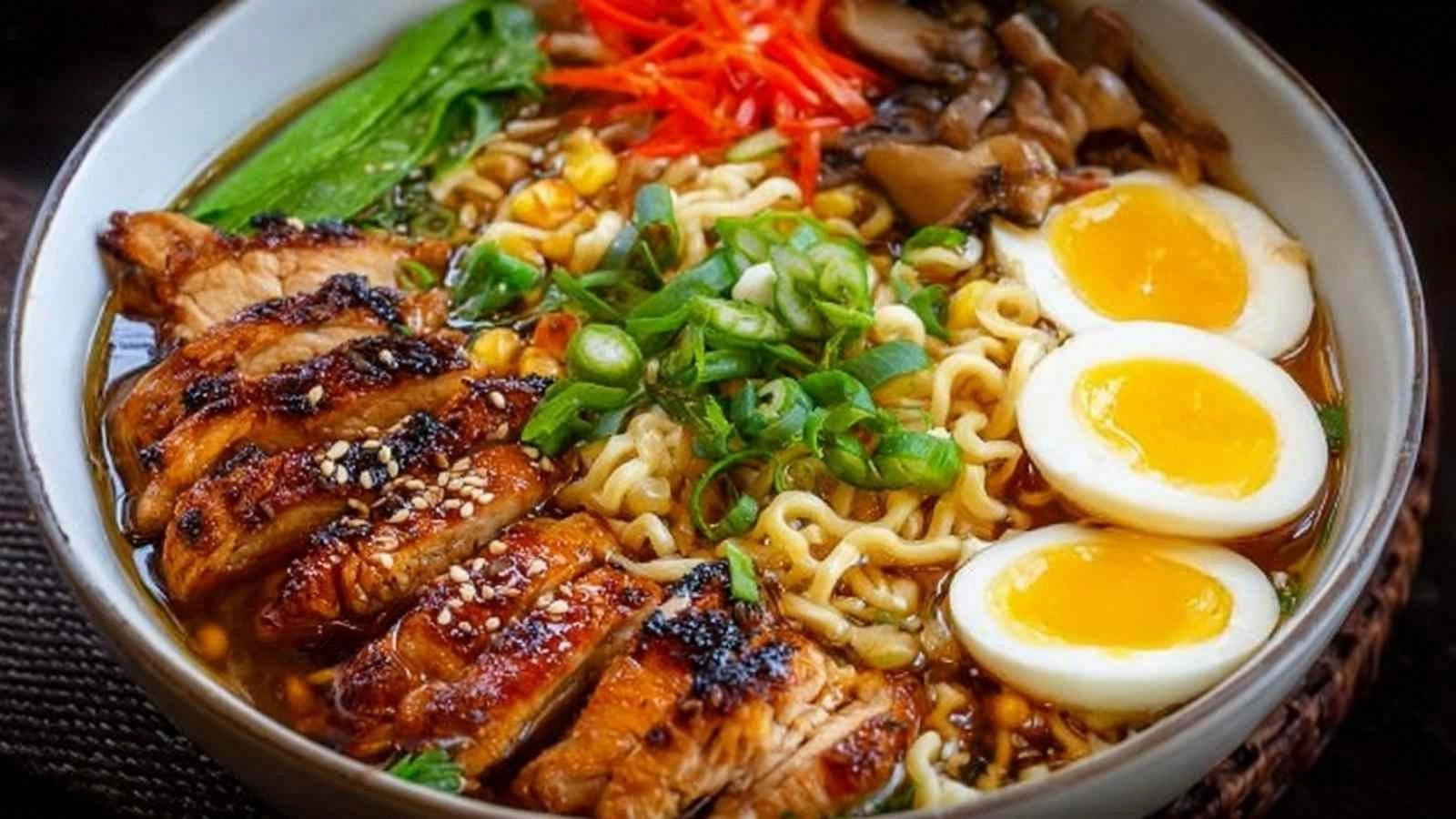
- To assemble, place a handful of noodles in each bowl. Ladle the hot broth over the noodles, ensuring each bowl receives a generous amount of chicken, mushrooms, and carrots. Top with fresh cilantro, sliced jalapeño, a drizzle of Sriracha, and a sprinkle of sesame seeds. Serve immediately for the best experience.
That’s it—you did it! But hold on, I’ve got a few more tricks that will take this to another level. These insider tips will help you avoid common pitfalls and elevate your ramen from good to unforgettable.
Insider Tricks for Flawless Results
The Temperature Rule Nobody Follows
Many cooks believe that a high simmer is always better for flavor extraction, but a gentle simmer preserves the delicate balance of herbs and spices. Keep the broth just below a rolling boil; this allows the aromatics to release their oils without burning. A rapid boil can cause the broth to become cloudy and bitter, especially when using fresh ginger and lemongrass.
Why Your Nose Knows Best
Smell is your most reliable flavor gauge. When the broth reaches the right stage, it should emit a sweet, umami aroma that’s almost like a summer afternoon. If the scent feels flat, add a splash of rice wine vinegar or a pinch of salt to re-energize the flavors. Trust your nose over your taste buds; it will guide you to the perfect balance.
The 5-Minute Rest That Changes Everything
After cooking, let the chicken rest for at least five minutes before slicing. This allows the juices to redistribute, keeping the meat moist and tender. A friend tried skipping this step once, and the result was a dry, rubbery thigh that left us all disappointed.
The Secret to Perfect Noodles
Do not rinse the noodles after boiling; the starches are what help the sauce cling to the strands. Tossing them with butter after draining creates a silky coating that prevents clumping. If you prefer a lighter feel, simply use a splash of olive oil instead of butter.
The Quick Fix for a Tangy Broth
If you find the broth lacking brightness, add a teaspoon of lemon juice at the end of cooking. This simple addition cuts through the richness and lifts the overall flavor profile. I’ve used this trick when the broth feels too heavy after a long simmer, and it instantly transforms the dish.
Creative Twists and Variations
This recipe is a playground. Here are some of my favorite ways to switch things up:
Spicy Korean Twist
Swap the Sriracha for gochujang and add a handful of kimchi to the broth. The fermented tang of kimchi complements the heat and adds depth. Serve with a side of pickled radish for an extra zing.
Vegan Version
Replace chicken thighs with seared tofu cubes and use vegetable broth instead of chicken broth. Add a splash of miso paste for umami and substitute the butter with coconut oil. This version retains the richness while staying plant-based.
Seafood Surprise
Use a mix of shrimp and scallops, searing them in the pan before adding the broth. The sweet brininess of the seafood pairs wonderfully with the lemongrass and ginger. Finish with a squeeze of lime for a citrusy finish.
Mushroom Medley
Swap the shiitake mushrooms for a mix of porcini, oyster, and enoki. The varied textures and earthy flavors create a complex broth that feels luxurious. Let the mushrooms simmer in the broth for 10 minutes to fully release their flavors.
Herb Garden Edition
Add a handful of fresh basil and mint to the broth for a fragrant, herbaceous twist. The bright greens lift the dish and provide a refreshing contrast to the savory broth. Sprinkle chopped parsley on top before serving for an extra pop of color.
Storing and Bringing It Back to Life
Fridge Storage
Cool the ramen completely before placing it in a sealed container. Store in the refrigerator for up to 3 days. Keep the noodles separate from the broth to prevent sogginess. When ready to eat, reheat the broth gently on the stove and add the noodles for a minute.
Freezer Friendly
Freeze the broth in individual portions; it will keep for up to 2 months. Store the noodles in a freezer bag and thaw in the refrigerator overnight. Reheat the broth on the stove, add the thawed noodles, and stir for 2 minutes to warm.
Best Reheating Method
Add a splash of water or broth before reheating; this prevents the broth from drying out. Heat on low, stirring frequently, until the broth is steaming. The noodles should be added at the end to keep them al dente. A quick microwave step can also work if you’re in a hurry.