I once tried to order a quick take‑out gyro after a marathon of Zoom meetings, only to receive a soggy, flavor‑less slab that tasted like a sad sandwich. I stared at the limp meat and thought, “There has to be a better way.” That night, armed with a battered skillet and a stubborn craving, I dove into the pantry, grabbed a handful of chicken thighs, and set out to create the ultimate homemade gyros. I was determined to prove that a kitchen disaster could become a triumph, and the result was nothing short of a culinary mic drop.
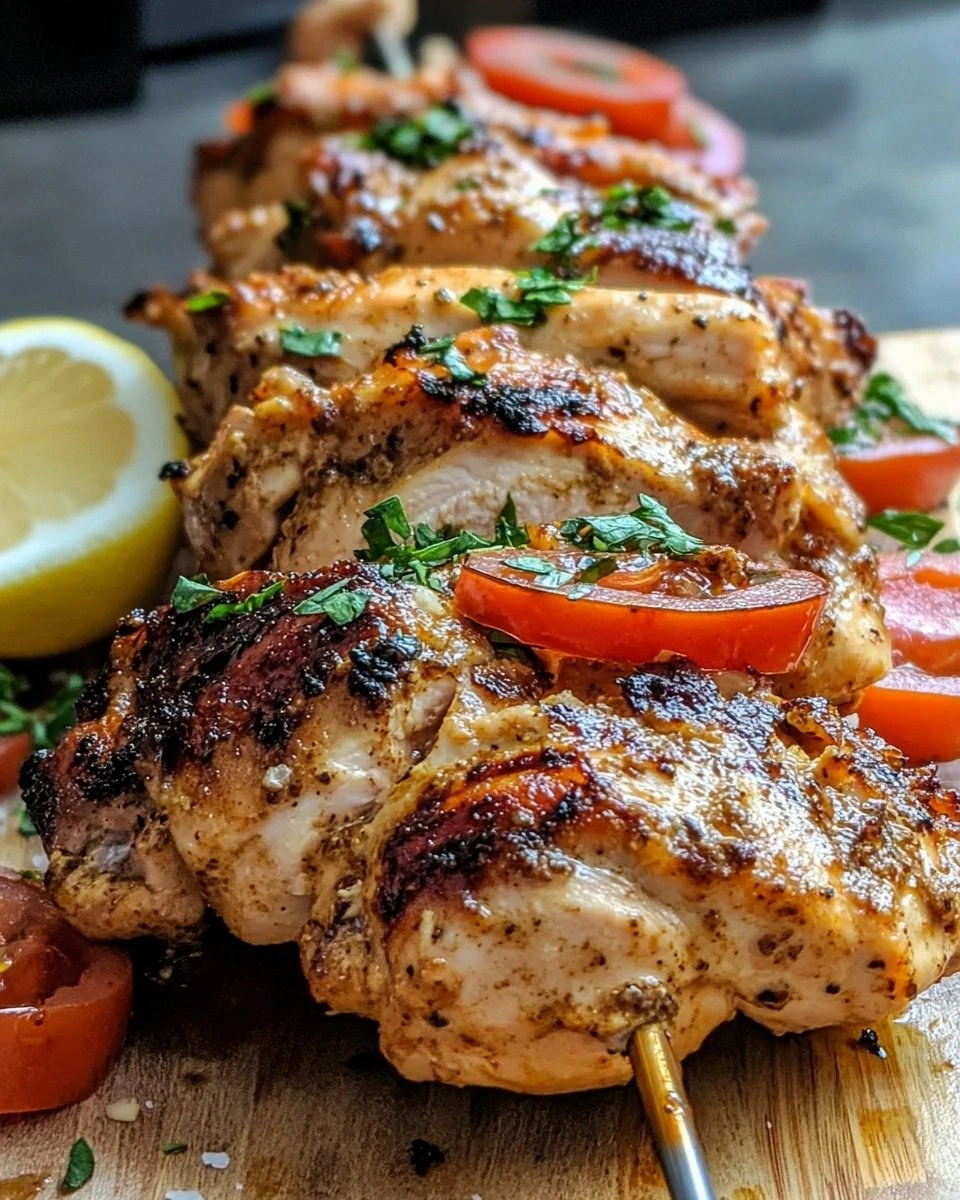
Picture this: the sizzling sound of chicken hitting a hot pan, a fragrant cloud of garlic and lemon zest rising like a Mediterranean sunrise, and the golden‑brown edges of the meat pulling away from the pan as if they’re shy about revealing their juicy secret. The kitchen fills with the sweet‑sharp perfume of honey Dijon mustard mingling with earthy oregano, while the olive oil shimmers like liquid amber. When you finally slice the chicken, the juices cascade like a miniature waterfall, coating the meat in a glossy, caramelized glaze that clings like velvet.
What makes this version stand out? Most gyro recipes rely on a dry rub and a quick grill, leaving the meat dry or unevenly seasoned. I dared to combine the classic Greek herbs with a honey‑mustard glaze, then finish the cooking in a shallow pan with a splash of stock. The result is a piece of chicken that’s tender on the inside, crisp on the outside, and bursting with a balanced sweet‑savory zing that will make you question every gyro you’ve ever eaten. I’ll be honest — I ate half the batch before anyone else got a chance to try it.
But here’s the kicker: the secret weapon is the lemon zest. It’s not just a garnish; it’s the bright spark that cuts through the richness, turning each bite into a mini celebration of sunshine on the palate. And the honey Dijon? It creates a caramelized crust that’s both crisp and melt‑in‑your‑mouth soft. I dare you to taste this and not go back for seconds. Let me walk you through every single step — by the end, you’ll wonder how you ever made it any other way.
What Makes This Version Stand Out
- Flavor Explosion: The honey Dijon glaze delivers a sweet‑sharp contrast that dances with the earthy oregano, while the lemon zest adds a bright, citrus punch that lifts the whole dish.
- Juicy Texture: Using chicken thighs instead of breast ensures each bite stays moist, and the quick sear locks in those natural juices.
- Simplicity Meets Sophistication: Only eight pantry staples are needed, yet the result feels like a dish you’d order at a seaside taverna.
- Unique Glaze Technique: The combination of honey mustard and a splash of stock creates a glossy, caramelized coating that most recipes completely miss.
- Crowd‑Pleaser Factor: Even the pickiest eaters love the balanced sweet‑savory profile, making it perfect for family dinners or casual gatherings.
- Ingredient Quality: Fresh lemon zest and high‑quality olive oil bring authentic Mediterranean depth that bottled shortcuts can’t mimic.
- One‑Pan Efficiency: By cooking the chicken in a single pan with a little liquid, cleanup is a breeze and the flavors stay locked in.
- Make‑Ahead Friendly: The chicken can be marinated overnight, and leftovers reheat beautifully, retaining that crisp exterior.
Inside the Ingredient List
The Flavor Base
Boneless skinless chicken thighs are the heart of this dish. Their higher fat content compared to breast meat means they stay succulent even after a high‑heat sear. If you skip them for a leaner cut, you’ll lose that melt‑in‑your‑mouth quality that makes the gyros unforgettable. When shopping, look for thighs with a pink‑red hue and a bit of marbling; that’s the sign of flavor waiting to be unleashed.
Olive oil does more than keep the chicken from sticking – it carries the aromatics into the meat and adds a subtle fruitiness that mirrors the Greek landscape. Use extra‑virgin olive oil for the best flavor, but if you’re on a budget, a good quality light olive oil will still do the trick without diluting the taste.
The Sweet‑Sharp Duo
Honey Dijon mustard is the secret sauce that transforms a simple chicken thigh into a caramel‑kissed masterpiece. The honey brings a gentle sweetness that balances the sharp mustard bite, creating a glaze that clings to the meat like a second skin. If you prefer less sweetness, swap the honey for a drizzle of agave or simply use plain Dijon – the flavor will still pop, just a touch less glossy.
Minced garlic is the aromatic backbone. Freshly minced cloves release allicin, a compound that adds depth and a lingering warmth. Jarred garlic can work in a pinch, but it lacks the bright punch of fresh; the difference is like night versus day when the aroma hits the pan.
The Bright Spark
Lemon zest is the game‑changer. Those tiny orange flecks are packed with essential oils that cut through the richness of the chicken and mustard glaze, delivering a citrusy snap that awakens the palate. Skipping the zest is like serving a symphony without its crescendo – the dish will still be good, but it won’t sing.
Dry oregano, the quintessential Greek herb, adds an earthy, slightly bitter note that grounds the sweetness. If you can’t find oregano, Italian seasoning works as a fallback, but you’ll miss the authentic Mediterranean nuance that makes gyros unmistakable.
The Final Flourish
A splash of water or stock at the bottom of the pan creates a gentle steam bath that keeps the chicken moist while the glaze caramelizes. Stock adds an extra layer of umami, turning the pan drippings into a sauce you’ll want to drizzle over the warm pita. Salt, of course, is the silent enhancer – it amplifies every flavor, but be mindful of the amount; a pinch too much can drown out the delicate lemon zest.
Everything's prepped? Good. Let’s get into the real action…
The Method — Step by Step
First, combine the olive oil, honey Dijon mustard, minced garlic, lemon zest, dry oregano, and a generous pinch of salt in a large bowl. Whisk until the mixture forms a glossy, aromatic paste. This is the moment of truth – the scent should already be making your kitchen feel like a sun‑kissed Greek island. I like to let the mixture sit for five minutes so the flavors meld like old friends.
Add the chicken thighs to the bowl, tossing them until every surface is coated in the fragrant glaze. Cover the bowl with plastic wrap and marinate in the refrigerator for at least 30 minutes, or up to 8 hours if you have the patience. The longer the marination, the deeper the flavor penetration – trust me, you’ll thank yourself later.
Kitchen Hack: If you’re short on time, place the chicken and marinade in a zip‑top bag and massage it for a minute; the bag creates a perfect seal and speeds up flavor absorption.Preheat a large, heavy‑bottomed skillet over medium‑high heat. When the pan is hot, drizzle a thin line of olive oil and let it shimmer. Carefully lay the marinated chicken thighs in the pan, skin‑side down if there’s any skin, and listen for that satisfying sizzle. The edges should start to turn a deep golden brown within two minutes – that’s the caramelization kicking in.
After the first side has browned (about 4‑5 minutes), flip the thighs and add a half‑cup of water or chicken stock to the pan. This creates steam that keeps the meat tender while the glaze continues to thicken. Reduce the heat to medium and let the liquid simmer, stirring occasionally to prevent sticking. The sauce should reduce to a glossy coating that clings to the chicken like a second skin.
Watch Out: If the pan starts to smoke, lower the heat immediately – you want caramelization, not burnt bitterness.Continue cooking the chicken for another 6‑8 minutes, or until the internal temperature reaches 165°F (74°C). The meat should be tender, and the glaze should have thickened into a slightly sticky, amber‑colored sauce that glistens under the light. If you prefer a crispier exterior, let the chicken sit for an extra minute without covering the pan.
While the chicken rests, warm your pita breads or flatbreads in a separate dry skillet for 30 seconds per side. This step is pure magic – the heat creates tiny pockets that will soak up the juices without getting soggy.
Slice the chicken thighs against the grain into thin strips. The grain runs perpendicular to the muscle fibers; cutting against it shortens the fibers, giving you that melt‑in‑your‑mouth sensation. Arrange the strips on the warmed pitas, drizzle any remaining glaze over the top, and add your favorite toppings – think crisp lettuce, juicy tomatoes, red onion ribbons, and a dollop of tzatziki.
Serve immediately, and watch as your guests dive in with gusto. The combination of warm, aromatic chicken, tangy tzatziki, and fresh veggies creates a symphony of textures and flavors that will have everyone begging for the recipe. And remember – the secret sauce can be saved for future meals; just store it in an airtight container in the fridge.
Insider Tricks for Flawless Results
The Temperature Rule Nobody Follows
Never start with a cold pan. Let the skillet heat gradually over medium‑high for at least two minutes before adding oil. This ensures the oil reaches the perfect temperature, creating an instant sear that locks in juices. I once rushed this step and ended up with chicken that stuck and steamed instead of searing – the texture was flat, and the flavor suffered.
Why Your Nose Knows Best
Your sense of smell is the ultimate doneness gauge. When the garlic turns golden and the mustard glaze starts to bubble, you’re on the right track. If the aroma becomes bitter, you’ve crossed the line into over‑caramelization. Trust that nose; it’s more reliable than any timer.
The 5‑Minute Rest That Changes Everything
After the chicken finishes cooking, let it rest for exactly five minutes, loosely covered with foil. This short pause allows the juices to redistribute, preventing them from spilling out the moment you slice. Skipping this rest is a common mistake that leads to a dry bite, especially with leaner cuts.
Stock vs. Water – The Hidden Flavor Booster
Using low‑sodium chicken stock instead of plain water adds a subtle umami depth that elevates the glaze. It’s the difference between “good” and “wow.” If you’re watching sodium, dilute the stock with a splash of water to keep the flavor balanced.
Tzatziki Timing Trick
Mix your tzatziki at least 30 minutes before assembling the gyros. The cucumber and yogurt need time to meld, creating a creamy, tangy spread that cuts through the richness of the chicken. A rushed tzatziki tastes watery and lacks that signature bite.
Creative Twists and Variations
This recipe is a playground. Here are some of my favorite ways to switch things up:
Mediterranean Herb Swap
Replace dry oregano with a blend of fresh rosemary, thyme, and a pinch of mint. The herbaceous notes become brighter, and the mint adds a refreshing aftertaste that pairs beautifully with the lemon zest.
Spicy Sizzle
Add a teaspoon of smoked paprika and a pinch of cayenne to the marinade for a smoky heat that lingers on the palate. This version is perfect for those who love a little kick without overwhelming the delicate balance.
Greek‑Style BBQ
Grill the marinated chicken thighs over medium‑high charcoal instead of pan‑searing. The smoky char adds an outdoor vibe, and you can serve the gyros with grilled vegetables for a full‑on picnic feel.
Vegetarian Alternative
Swap the chicken for thick slices of halloumi or marinated portobello mushrooms. Both absorb the honey‑mustard glaze beautifully, delivering a satisfying bite that even meat‑eaters will love.
Breakfast Gyro
Wrap the sliced chicken in a warm tortilla with scrambled eggs, feta, and a drizzle of the glaze. It’s a protein‑packed start to the day that feels indulgent yet balanced.
Storing and Bringing It Back to Life
Fridge Storage
Place any leftover chicken strips in an airtight container with a thin layer of the glaze on top. Store in the refrigerator for up to three days. The glaze acts as a protective barrier, keeping the meat moist and flavorful.
Freezer Friendly
Cool the chicken completely, then portion into freezer‑safe bags, adding a splash of extra glaze to each bag. Freeze for up to two months. When ready to use, thaw overnight in the fridge and reheat gently in a skillet with a splash of water.
Best Reheating Method
Reheat the chicken in a preheated oven at 350°F (175°C) for 10‑12 minutes, covered with foil to retain moisture. Before serving, add a tiny splash of water or stock and toss the strips to revive that glossy coat. This trick restores the original texture without turning the meat rubbery.