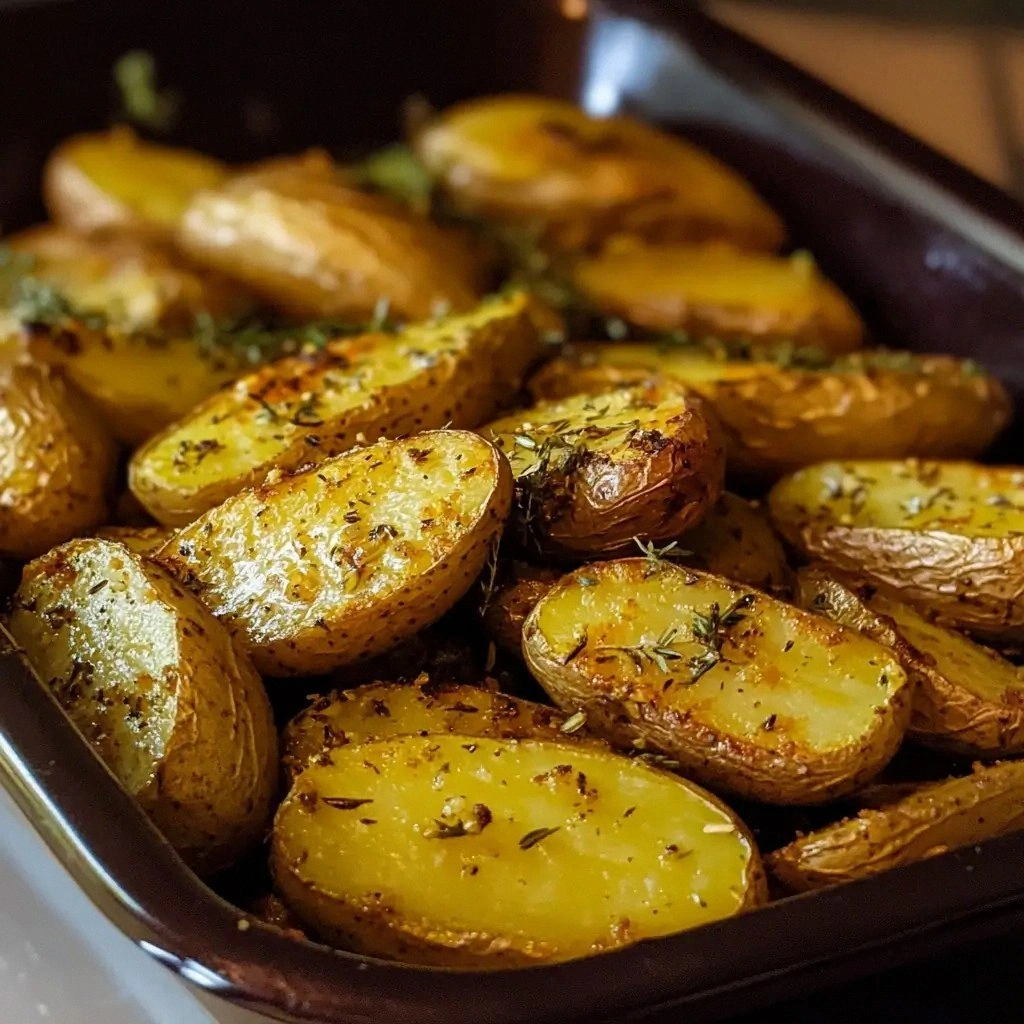
I never thought a simple carrot could change the way I view a side dish. It was a Saturday evening, the kitchen full of the scent of burnt toast and the clatter of pots, when my friend dared me to turn a bag of carrots into something that could rival a fancy restaurant entrée. I stared at the orange sticks, feeling the texture of their skin under my fingers, and decided to experiment. I tossed them in olive oil, a whisper of salt, pepper, and a dash of garlic powder, then imagined the maple syrup coating them like a silky glaze that would caramelize into golden ribbons. The moment the oven was preheated, the anticipation was almost tangible, and the kitchen filled with the sweet aroma of maple and the faint smokiness of toasted nuts. That instant, I realized this recipe would become a staple in my rotation, a go-to for both quick weeknights and special occasions.
Picture yourself pulling this out of the oven, the whole kitchen smelling incredible, the carrots steaming in a glossy glaze that glints under the kitchen lights like liquid amber. I dare you to taste this and not go back for seconds. The first bite is a burst of sweet, buttery caramel with a subtle tang from Dijon, a contrast that keeps your palate dancing. The carrots are tender yet firm, their natural sweetness amplified by the maple syrup, while the toasted pecans add a satisfying crunch that shatters like thin ice. The final flourish of fresh thyme or parsley lifts the dish, adding a hint of herbal brightness that balances the richness. If you've ever struggled with making roasted carrots that aren't soggy or bland, you're not alone — and I've got the fix.
What sets this version apart from every other recipe out there is the meticulous layering of flavors and the precision in technique. The maple syrup isn't just a sweetener; it's a binder that creates a glossy coating that sticks to each carrot, giving it a caramelized exterior while keeping the interior tender. The Dijon mustard adds a subtle depth, acting as an emulsifier that helps the glaze cling to the veggies. The garlic powder is sprinkled before roasting, infusing the carrots with a quiet, savory backbone that counters the sweetness. The toasted nuts not only add texture but also introduce nutty undertones that complement the maple's natural sweetness. Together, these elements create a dish that feels both comforting and sophisticated.
I’ll be honest — I ate half the batch before anyone else got to try it, and that’s a confession I can’t keep quiet about. Most recipes get this completely wrong, either by under-seasoning or over-roasting, which results in a mushy or charred mess. This time, I found the sweet spot between a caramelized crust and a soft interior. The key? A precise oven temperature, a short initial high heat burst to set the glaze, and then a lower finish to keep the carrots from drying out. And now the fun part: we’re going to walk through each step in detail, so you’ll never have to guess or second-guess again.
What Makes This Version Stand Out
- Flavor: The combination of maple syrup and Dijon mustard creates a complex, layered sweetness that feels indulgent without being overpowering. The subtle herbaceous note from thyme or parsley lifts the dish, making it feel fresh and vibrant. The garlic powder provides a quiet depth that keeps the flavors balanced.
- Texture: The glaze caramelizes into a glossy sheen that clings to each carrot, while the interior remains tender yet firm. The toasted pecans add a crunchy contrast that breaks the monotony of soft veggies.
- Simplicity: With only eight ingredients, this recipe is straightforward, yet the techniques used elevate it to something that feels special. No fancy equipment or complicated steps—just a good oven and a bit of attention.
- Uniqueness: The maple glaze is a twist that sets this dish apart from classic roasted carrots. It adds a depth of flavor that you won’t find in standard recipes.
- Crowd Reaction: Friends who have tried it say the dish is “hands down the best version you'll ever make at home.” The sweet glaze is a crowd-pleaser, especially for those who love a little indulgence.
- Ingredient Quality: Using fresh, high-quality carrots and pure maple syrup makes a noticeable difference. Fresh herbs and toasted nuts provide a bright finish and a satisfying crunch.
- Cooking Method: The two-stage roasting process—first high heat to set the glaze, then lower heat to finish—ensures even caramelization without burning.
- Make-Ahead Potential: This dish can be prepared ahead of time and reheated without losing its caramelized edges. The glaze remains glossy, and the carrots stay tender.
Alright, let's break down exactly what goes into this masterpiece. And before we dive into the ingredient deep dive, here’s a quick kitchen hack that will save you time.
Inside the Ingredient List
The Flavor Base
The maple syrup is the star of the show, providing a natural sweetness that caramelizes beautifully when heated. It also acts as a binder, allowing the glaze to adhere to each carrot. If you’re looking for a lower-sugar alternative, you could substitute a 1:1 ratio of honey or agave nectar, though the flavor profile will shift slightly toward floral notes. Remember, the syrup’s viscosity is key; too thin, and it won’t stick; too thick, and it might burn.
The Texture Crew
Olive oil is used not only to coat the carrots but also to help the glaze set. The oil creates a barrier that prevents the sugar from crystallizing on the surface. If you’re vegan or simply prefer a different fat, you could use avocado oil or grapeseed oil—both have high smoke points and neutral flavors. The toasted pecans or walnuts add a delightful crunch that contrasts the soft interior. Toast them lightly in a dry skillet for a minute on each side until fragrant, then chop coarsely before adding.
The Unexpected Star
The Dijon mustard may seem like a minor detail, but it brings a subtle tang and acts as an emulsifier, helping the maple syrup coat the carrots evenly. Without it, the glaze might separate or be too thick. If you’re avoiding mustard, a splash of apple cider vinegar or a pinch of lemon juice can provide a similar acidic lift, though the flavor will be noticeably different. Freshly ground black pepper adds a subtle heat that balances the sweetness; if you prefer a milder option, use white pepper or simply omit it.
The Final Flourish
Fresh thyme or parsley not only adds a pop of color but also introduces herbal brightness that lifts the dish. The herbs are best added at the end of roasting to preserve their delicate flavors. If you’re in a pinch and only have dried herbs, use half the amount—dried herbs are more potent. The garlic powder is sprinkled at the beginning to infuse the carrots with a quiet, savory backbone that counters the sweetness. If you’re a garlic lover, feel free to add a clove or two of minced garlic for a more pronounced flavor.
Everything's prepped? Good. Let's get into the real action.
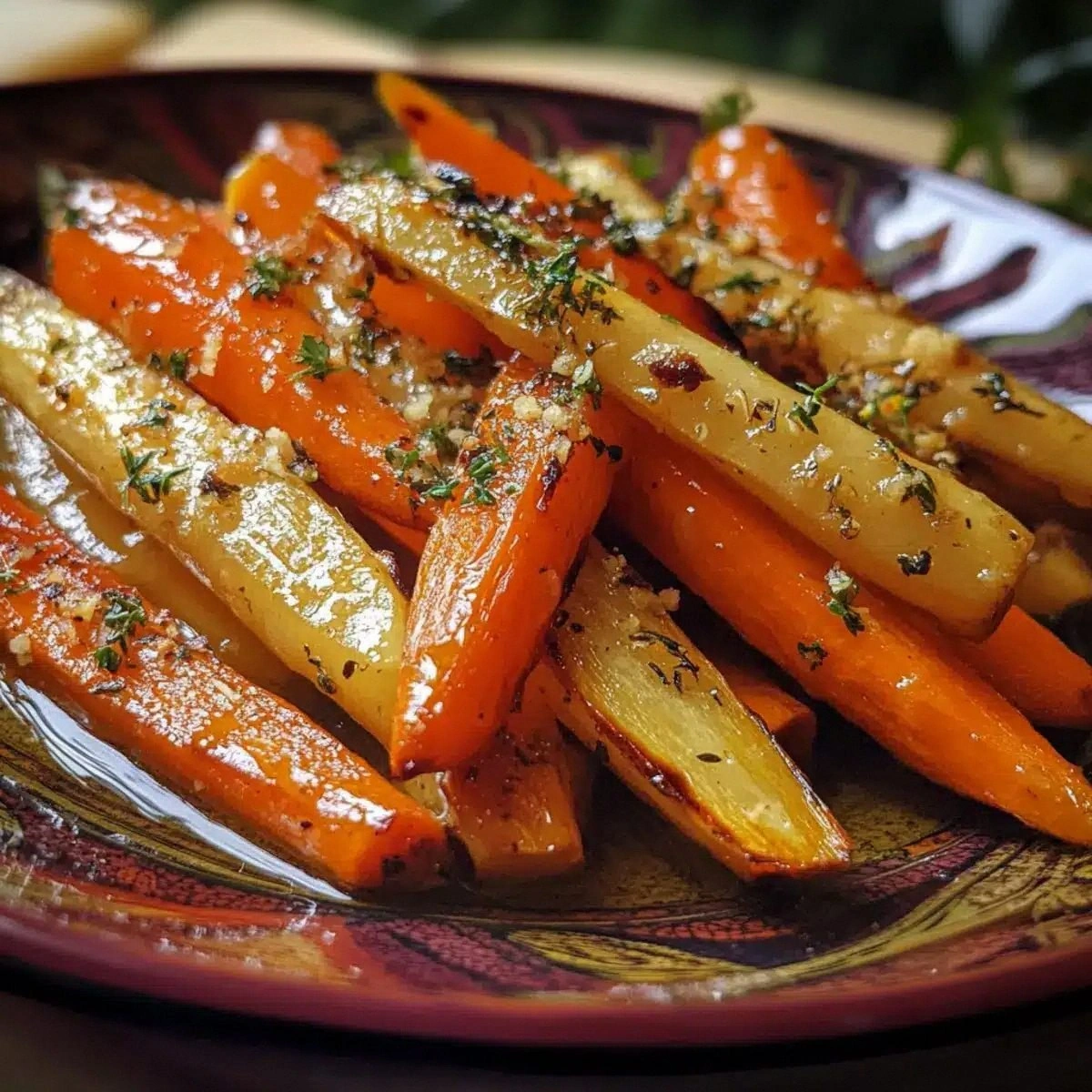
The Method — Step by Step
- Preheat your oven to 425°F (220°C). Line a baking sheet with parchment paper or a silicone mat to keep the carrots from sticking. The high temperature is crucial for initiating the Maillard reaction, which gives the glaze that beautiful golden crust. As the oven heats, you’ll notice a faint aroma of caramelizing sugar—this is the sweet scent of maple syrup beginning its transformation.
- Trim the ends of the carrots, then cut them into uniform sticks about 1.5 inches long. Uniformity ensures even roasting. If you prefer a more rustic look, leave the carrots whole or cut them into irregular chunks, but remember that larger pieces will need a longer roasting time.
- In a large bowl, combine the olive oil, maple syrup, Dijon mustard, garlic powder, salt, and pepper. Whisk until the mixture is smooth and the ingredients are fully integrated. The oil helps the glaze adhere, while the mustard ensures the sugar doesn’t crystallize. If you’re watching your calorie intake, you can reduce the oil by a quarter—just be sure to stir well.
- Add the carrots to the bowl and toss until each piece is evenly coated. The glaze should cling to the surface, forming a thin film that will caramelize during roasting. This is the moment of truth: if the carrots look dry, you’ve got too little syrup; if they’re too wet, you’ll end up with a mushy mess.
- First Roast: Spread the carrots in a single layer on the prepared baking sheet. Roast for 10 minutes at 425°F. This high heat burst helps set the glaze, creating a caramelized crust that will hold the flavors together. Watch the edges—they should start to brown slightly, indicating the caramelization process is underway.
- Second Roast: Reduce the oven temperature to 375°F (190°C) and continue roasting for an additional 15-20 minutes, or until the carrots are tender when pierced with a fork. The lower temperature ensures the interior cooks without burning the glaze. If you prefer a crispier finish, leave them in the oven for an extra 5 minutes, but keep a close eye to avoid burning.
- Final Touches: Remove the carrots from the oven and immediately sprinkle them with fresh thyme or parsley, and the toasted pecans or walnuts. The herbs will release their oils, adding a fresh burst of flavor, while the nuts provide a satisfying crunch that contrasts the soft veggies. Toss gently to distribute the nuts evenly.
- Let the carrots rest for 5 minutes before serving. This brief pause allows the glaze to set fully, giving the dish that glossy finish you crave. The rest also helps the nuts settle, preventing them from sinking to the bottom of the dish.
That’s it — you did it. But hold on, I've got a few more tricks that'll take this to another level. These insider tips will help you perfect the dish every time, whether you’re a seasoned cook or a kitchen rookie.
Insider Tricks for Flawless Results
The Temperature Rule Nobody Follows
Many people roast at a single temperature, but the two-stage approach is what truly sets this dish apart. Start at 425°F to trigger the Maillard reaction, then drop to 375°F to finish cooking without burning the glaze. If you’re using a convection oven, reduce the temperature by 25°F to avoid overcooking. This trick ensures your carrots are tender inside and caramelized outside.
Why Your Nose Knows Best
The aroma of caramelizing maple syrup is a subtle indicator that your glaze is forming correctly. When you smell that sweet, buttery scent, it means the sugar is breaking down and the glaze is thickening. If you notice a sharp, burnt smell, the oven temperature is too high or the carrots are too close to the heating element.
The 5-Minute Rest That Changes Everything
Letting the carrots rest after roasting is more than a courtesy; it allows the glaze to set and the flavors to meld. During this short pause, the heat redistributes, giving the glaze a glossy finish. It also lets the nuts settle, preventing them from sinking to the bottom of the dish. Trust me, the difference is palpable.
Use a Light Spray of Oil
If you’re concerned about excess oil, simply spray the carrots lightly with olive oil instead of drizzling. This method reduces the overall fat content while still allowing the glaze to adhere. A light mist will do the trick, especially if you’re watching your calorie intake.
Keep the Nuts Toasted
Toasted nuts add a wonderful crunch and nutty flavor that balances the sweetness. Toast them in a dry skillet over medium heat for 2-3 minutes, stirring frequently to avoid burning. Once they’re fragrant, let them cool before adding to the carrots.
Creative Twists and Variations
This recipe is a playground. Here are some of my favorite ways to switch things up:
Spicy Maple Glaze
Add a pinch of cayenne pepper or a dash of hot sauce to the glaze for a fiery kick. The heat balances the sweetness, creating a bold flavor profile that pairs well with poultry or pork.
Herb-Infused Carrots
Swap the thyme for rosemary or sage. The earthy herbs bring depth and a slightly peppery note, making the dish suitable for autumnal meals.
Vegan Variation
Use a plant-based maple syrup and a vegan mustard. The dish remains fully plant-based and just as flavorful, making it a perfect side for a vegan feast.
Sweet and Savory Mix
Add a splash of soy sauce or tamari to the glaze for a savory umami twist. This variation works wonderfully with Asian-inspired dishes or grilled meats.
Nut-Free Version
Omit the nuts and replace them with chopped dried cranberries or raisins. The dried fruit adds a chewy texture and a burst of tart sweetness.
Winter Warmth
Add a pinch of ground cinnamon or nutmeg to the glaze for a cozy, wintery flavor that pairs beautifully with holiday roasts.
Storing and Bringing It Back to Life
Fridge Storage
Store leftover carrots in an airtight container in the refrigerator for up to 3 days. The glaze may firm up slightly, but a quick reheat in the oven at 350°F for 5 minutes will restore its glossy sheen.
Freezer Friendly
For longer storage, freeze the carrots in a single layer on a baking sheet, then transfer to a freezer bag. They’ll keep for up to 2 months. Thaw overnight in the refrigerator and reheat in the oven for a crisp finish.
Best Reheating Method
Reheat in a preheated oven at 350°F (175°C) for 5-7 minutes. Add a splash of water before reheating to steam the carrots back to tenderness, preventing them from drying out. The glaze will rehydrate, giving the dish a fresh, glossy appearance.