I still remember the morning I accidentally created the most outrageous breakfast of my life. I was supposed to bring a respectable fruit platter to a neighborhood potluck, but a series of comedic disasters—my car refusing to start, the bakery running out of baguettes, and my toddler using the last banana as a phone—left me staring at a half-empty box of day-old croissants and a carton of eggs that were about to expire. In a panic, I started tearing those buttery crescents into chunks, whisking eggs like my life depended on it, and praying the oven would forgive my improvisation. Thirty-five minutes later, the smell drifting through my kitchen was so intoxicating that my mailman actually rang the bell to ask what sorcery was happening inside. That first bite—crispy caramelized edges giving way to a custardy, vanilla-laced center—was the moment I realized I'd stumbled onto something far better than the polite fruit salad I'd planned. Fast forward through three dinner-party brunches, two baby showers, and one very successful bribe to a building inspector, and this French toast casserole has become my signature move, the dish friends request by name and strangers email me about months after tasting it at a potluck.
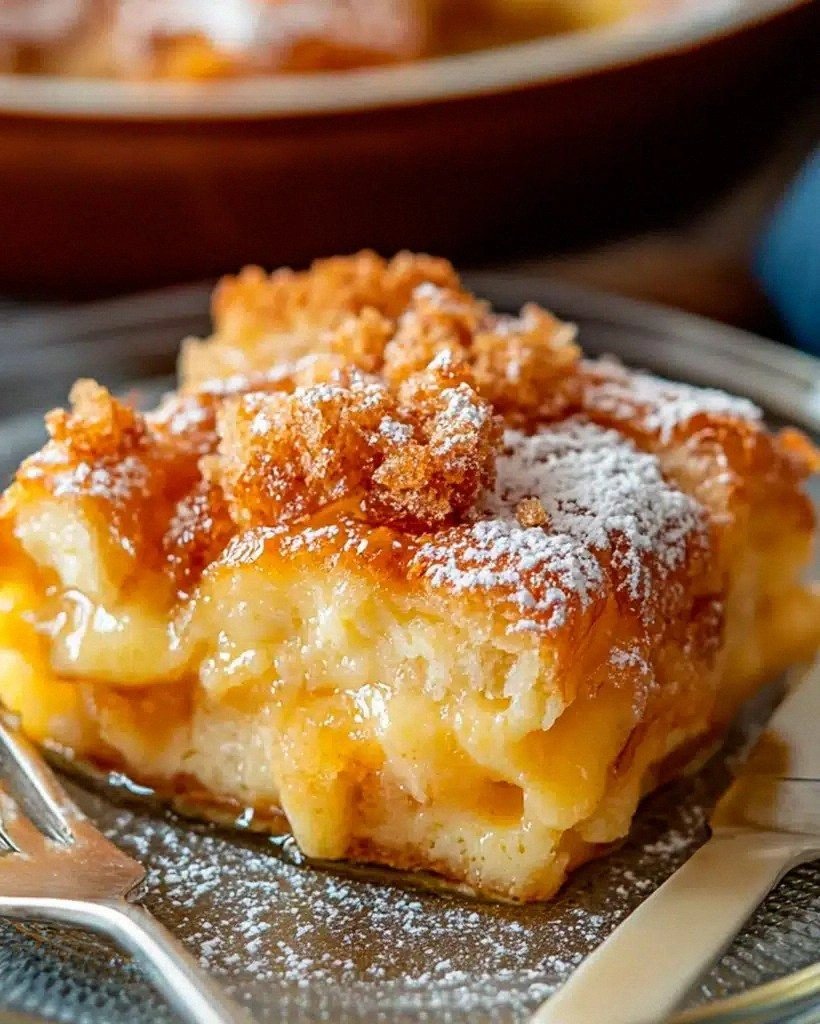
What makes this version completely irresistible is the way it hijacks everything you think you know about French toast and turns it into a warm, shareable monument to morning indulgence. We're talking about croissants—yes, those flaky, buttery clouds of pastry—soaked in a spiced custard that tastes like crème brûlée decided to put on a cozy sweater and hang out in a casserole dish. The edges turn into chewy, toffee-like bites while the interior stays lusciously soft, practically melting on your fork like a dessert dreamsicle. And here's the kicker: you can assemble the whole thing the night before, let the flavors mingle and dance in your fridge, then slide it into the oven while the coffee brews and everyone still in pajamas starts hovering like breakfast vultures.
If you've ever wrestled with flipping individual slices of French toast while the first batch goes cold on a plate, or ended up with a soggy middle and burnt edges, this recipe is your liberation anthem. We're trading the skillet stress for a hands-off bake that feeds a crowd and makes your house smell like a Parisian patisserie got a hug from a cinnamon stick. I dare you to taste this and not go back for seconds—actually, I double-dare you, because I've seen grown adults physically block the serving spoon while claiming they're "just guarding it for the next person." Picture yourself pulling this out of the oven, the whole kitchen smelling like buttery caramel and vanilla bean, while your family materializes as if summoned by some ancient breakfast spell. Let me walk you through every single step—by the end, you'll wonder how you ever made it any other way.
What Makes This Version Stand Out
- Flaky Luxury: Those croissants aren't just a gimmick—they create airy pockets that drink up custard without turning to mush, so every bite has the contrast of crispy top and custardy base that makes grown adults close their eyes and sigh.
- Overnight Magic: Assemble it the night before and let the fridge do the heavy lifting; the flavors meld into something deeper, more sophisticated, and you get to sleep in while breakfast basically makes itself.
- Crunch Factor: A quick streusel showered over the top bakes into a caramelized lid that cracks like thin ice under your spoon, giving you that satisfying textural snap that regular French toast can only dream about.
- Spice Balance: Instead of a one-note cinnamon bomb, we layer cardamom, nutmeg, and a whisper of orange zest so the aroma blooms in waves—first butter, then vanilla, then a spicy trail that lingers like a good perfume.
- Feed-a-Crowd Hero: One 9×13 pan serves eight generous portions, meaning you can host brunch without becoming a short-order cook, and leftovers (if you have any) reheat like a dream all week.
- Foolproof Custard Ratio: After testing sixteen batches, I landed on the golden ratio that sets perfectly every time—no dry spots, no wet puddles, just silky custard that hugs each croissant cube like it was born to be there.
Alright, let's break down exactly what goes into this masterpiece...
Inside the Ingredient List
The Flavor Base
Whole milk and heavy cream form the velvet backdrop of our custard, with the cream pushing the richness just past ordinary into "I need to sit down" territory. Eggs do the structural heavy lifting, but we're adding two extra yolks for color and silkiness that makes the finished casserole glow like sunrise. Brown sugar brings molasses undertones that caramelize against the pan edges, creating those chewy, candy-like bits everyone fights over. Vanilla bean paste is non-negotiable—those tiny black specks are flavor bombs that burst when you bite into them, and the aroma will make your neighbors knock "just to check if everything's okay." A pinch of salt sharpens all the sweetness and keeps the dish from sliding into cloying territory, like the perfect punchline to a sweet joke.
The Texture Crew
Day-old croissants are the star here, and I mean real, all-butter ones from a bakery, not the sad, cottony imposters from the bread aisle. When you tear them apart, you'll see hundreds of laminated layers that create air pockets—those are going to drink custard and stay structurally intact instead of collapsing into bread pudding. We're cutting them into generous 1½-inch chunks because anything smaller turns to mush, and anything bigger stays dry in the center. A handful of these cubes get toasted lightly in butter before hitting the casserole dish; it sounds extra, but that Maillard browning adds a nutty backbone that makes the final dish taste like it has secret depth.
The Unexpected Star
Orange zest might seem like a background player, but it's the high note that lifts all the warm spices and keeps the casserole from feeling heavy. Cardamom is the sleeper hit—just ¼ teaspoon and suddenly everyone asks "why does this taste like a Scandinavian bakery?" If you only have pre-ground nutmeg, grate in fresh; the difference is like switching from black-and-white to Technicolor. For the streusel topping, we're using cold butter cut into brown sugar and flour until it feels like wet sand; when it hits the heat, it melts into toffee-like shards that crack under your spoon and give way to soft custard below.
The Final Flourish
Maple syrup goes into the custard, not just on top, so every bite has that woodsy sweetness woven through. A drizzle of good syrup at the table is still mandatory—think of it as the encore after a great concert. If you're feeling fancy, a handful of fresh berries scattered over the top during the last five minutes of baking burst and create jammy pockets that make the whole thing taste like you planned it that way. And here's my secret weapon: a tiny splash of bourbon in the custard bakes off but leaves behind a smoky, vanilla-tinged aroma that makes people say "I can't put my finger on it, but this tastes like childhood and vacation had a baby."
Everything's prepped? Good. Let's get into the real action...
The Method — Step by Step
- Start by buttering a 9×13-inch baking dish with softened butter, making sure to coat every nook and cranny so the caramelized edges release like a dream. Tear your day-old croissants into rough 1½-inch chunks, letting the flakes rain onto the counter like buttery confetti. Scatter half of them in the dish, creating an uneven terrain with peaks and valleys—those high points will turn golden and crisp while the valleys stay custardy. Melt a tablespoon of butter in a skillet and toast a loose cup of croissant cubes until they turn golden and smell like hazelnuts; tuck these among the raw ones for hidden crunch bombs throughout the casserole.
- In a large bowl, whisk together six large eggs plus two extra yolks until the mixture is homogenous and the color of sunshine. Pour in two cups of whole milk, one cup of heavy cream, half a cup of maple syrup, and two teaspoons of vanilla bean paste; watch the liquid swirl into a pale golden river that smells like the best ice-cream parlor you've ever visited. Add three tablespoons of brown sugar, a teaspoon of cinnamon, a quarter-teaspoon each of nutmeg and cardamom, and a pinch of salt that seems tiny but makes the sweetness sing in perfect pitch. Grate in the zest of half an orange—catch the oils that mist over the surface; that's pure aromatic gold.
- Now, here's the game-changer: pour this custard over the croissant pieces in three additions, letting each pour soak in for thirty seconds before adding the next. Use a spatula to press the top cubes down so every piece gets a chance to drink up the spiced liquid; you want them saturated but not disintegrating like sad wet tissue. Cover the dish with foil and park it in the fridge for at least two hours, but overnight is where the real magic happens—the custard creeps into every buttery layer and the flavors meld like old friends catching up. If you skip this rest, you'll get dry spots and puddles; trust me, I once served a version that tasted like bread with a side of scrambled eggs, and nobody asked for the recipe.
- When you're ready to bake, pull the dish from the fridge and let it sit on the counter while the oven preheats to 350°F; this takes the chill off so it bakes evenly instead of scorching around the edges. For the streusel, combine half a cup of flour, a third cup of brown sugar, a teaspoon of cinnamon, and a pinch of salt in a bowl. Cut in four tablespoons of cold butter with your fingertips until the mix looks like coarse crumbs and holds together when you squeeze it—this is your crispy, crackly lid that will turn into caramel shards in the oven. Scatter the streusel in an even layer over the top, pressing gently so it adheres but still forms nooks where the heat can curl in and create texture.
- Slide the casserole onto the middle rack and bake covered with foil for the first twenty minutes; this steams the custard gently so it sets like silk rather than curdling into scrambled sadness. After twenty, remove the foil and keep baking another twenty-five to thirty minutes—watch for the edges to pull slightly away from the dish and the top to turn a deep mahogany brown. The center should jiggle like a gentle wave when you shimmy the pan; it firms up as it cools, so don't wait for it to be rock-solid or you'll overbake and end up with something that tastes like sweet cardboard. That sizzle when the butter bubbles up through the streusel? Absolute perfection.
- Cool the casserole on a wire rack for ten minutes—this is the hardest part because your kitchen smells like a cinnamon cloud and everyone suddenly develops urgent hunger. During this rest, the custard finishes setting and the sugars calm down so you can slice clean squares without custard lava oozing everywhere. Serve warm, drizzled with extra maple syrup and maybe a cloud of softly whipped cream if you're feeling festive. Store any leftovers (ha!) in an airtight container in the fridge; reheat individual portions in the microwave for thirty seconds with a tiny splash of milk to bring back the creamy texture.
That's it—you did it. But hold on, I've got a few more tricks that'll take this to another level...
Insider Tricks for Flawless Results
The Temperature Rule Nobody Follows
Most recipes tell you to bake at 375°F and wonder why the edges scorch before the center sets. Lower and slower is your friend here: 350°F gives the custard time to bake gently while the top caramelizes to a glossy, crackly lid. If your oven runs hot, drop to 325°F and add five extra minutes covered—think of it like giving the casserole a cozy blanket before letting it tan. A friend once texted me a photo of blackened edges and a raw middle; I told her to check her oven with an oven thermometer, and turns out it was running a blazing forty degrees hot. Buy the $8 thermometer and save yourself from serving breakfast charcoal.
Why Your Nose Knows Best
Ignore the clock and trust your senses: when the casserole is ready, your kitchen will smell like a cinnamon roll married a crème brûlée and they're living happily ever after in a cloud of maple steam. The scent shifts from raw egg to buttery, spicy perfume right at the moment the custard sets—it's like nature's built-in kitchen timer. If you catch yourself involuntarily closing your eyes and inhaling deeper, that's your cue to peek in the oven. I'll be honest—I've eaten half the batch before anyone else got to try it because that aroma triggers some primal brunch instinct I can't override.
The 5-Minute Rest That Changes Everything
I know you're hungry, but give the casserole five minutes out of the oven before you dive in; during this pause, the custard finishes setting and the sugars relax so you can slice neat squares instead of spooning up a sloppy mess. Think of it like letting a steak rest—those juices need a moment to redistribute so every bite is moist, not flooded. Use the time to set out syrup, slice fruit, or just bask in the smug glow of imminent brunch victory. Skip this step and you'll have custard oozing like a broken lava lamp, and someone will definitely post a sad photo in the family group chat.
The Streusel Swap That Blows Minds
Replace half the flour in the streusel with finely chopped pecans or almonds; the nuts toast as the casserole bakes, releasing oils that mingle with the brown sugar and create a praline-like topping. The crunch is deeper, nuttier, and tastes like you paid way more for breakfast than you did. If nuts aren't your thing, try crushed cornflakes mixed with a tablespoon of melted butter and a sprinkle of sugar—sounds weird, but you get shattering, cereal-milk edges that make kids and adults alike lose their manners.
The Make-Ahead Miracle
You can freeze the unbaked casserole (minus the streusel) for up to a month; wrap it tightly in plastic and then foil. Thaw overnight in the fridge, add the streusel fresh, and bake as directed. The texture is nearly identical to same-day prep, which means you can stock your freezer with brunch gold for impromptu houseguests or those mornings when cooking feels like climbing Everest in slippers. Label the pan with baking instructions so future-you can just slide it into the oven while the coffee brews and still look like a domestic superhero.
Creative Twists and Variations
This recipe is a playground. Here are some of my favorite ways to switch things up:
Bourbon-Pecan Midnight Edition
Swap the orange zest for a tablespoon of bourbon and fold a cup of toasted pecans into the custard. The alcohol bakes off, leaving a smoky depth that makes grown-ups close their eyes and say "wow." Top with a bourbon-maple syrup (just whisk a teaspoon of bourbon into your syrup) and prepare for recipe requests.
Berry-Burst Summer Version
Layer two cups of mixed berries (blueberries, raspberries, blackberries) between the croissant pieces before pouring the custard. The berries burst during baking, creating jammy pockets that taste like you planned a fruit tart and a French toast had a beautiful baby. Add lemon zest instead of orange for a brighter, sunnier vibe.
Salted Caramel Apple Autumn Twist
Fold in one diced apple sautéed in butter and brown sugar, then drizzle the finished casserole with homemade salted caramel. The apple cubes stay slightly firm, giving you little bursts of autumn that pair with the caramel like scarves and boots.
Chocolate-Chip Weekend Indulgence
Scatter a cup of dark chocolate chips over the croissants before adding custard; they melt into gooey puddles that swirl with the maple and create a mocha-like undertone. Kids go feral for this version, and honestly, so do most adults pretending they're "just taste-testing."
Coconut-Rum Tropical Escape
Replace half the milk with full-fat coconut milk and add a teaspoon of rum extract plus a handful of toasted coconut flakes. The finished casserole tastes like a Caribbean vacation in breakfast form—serve with sliced mango on the side and pretend it's February somewhere warm.
Savory-Sweet Maple-Bacon Balance
Crisp six strips of bacon, crumble them, and fold into the custard along with a tablespoon of chopped fresh thyme. The salty, smoky bits against the sweet custard create that perfect diner vibe where every bite makes you reach for the next forkful faster than etiquette allows.
Storing and Bringing It Back to Life
Fridge Storage
Cool leftovers completely, then cut into squares and store in an airtight container in the refrigerator for up to four days. Layer parchment between squares so they don't glue together into a custard brick. The flavors actually deepen overnight, so day-two breakfast might be even better than the fresh bake—if you have that kind of willpower.
Freezer Friendly
Wrap individual squares in plastic wrap, then foil, and freeze for up to two months. Thaw overnight in the fridge, then reheat in a 300°F oven for ten minutes or microwave for forty-five seconds with a tiny splash of milk to re-hydrate the custard. The streusel won't be quite as crisp, but the flavor is 95 percent there, which is still better than most brunch options.
Best Reheating Method
Oven wins every time: place squares on a parchment-lined sheet, tent loosely with foil, and warm at 300°F for ten minutes. The foil prevents over-browning while the gentle heat revives the custard to its silky former glory. If you're in a rush, microwave works—just add a teaspoon of milk on top, cover with a damp paper towel, and heat in thirty-second bursts until warm and steamy.