It started with a burnt batch of chicken that made my kitchen smell like a charcoal grill in the middle of a rainstorm. I had tried to impress my friends with a quick stir‑fry, but the sauce had thickened into an unappetizing paste and the chicken had turned from golden to black. I stared at the charred remains, then laughed at my own culinary misfortune. That laugh turned into a challenge: “I dare you to taste this and not go back for seconds.”
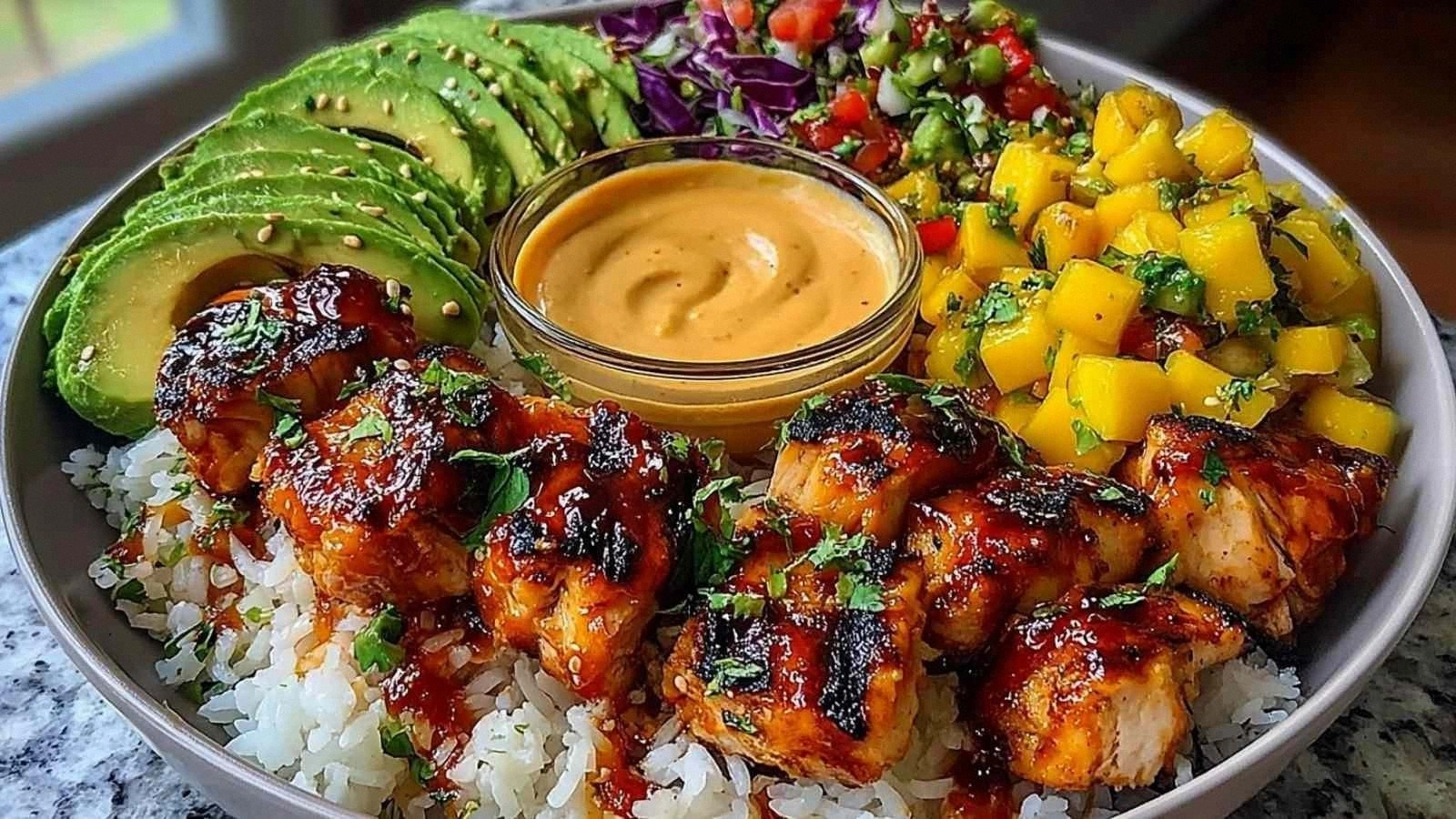
I was craving something that could turn a disaster into a masterpiece, and I found the answer in the simplest of pantry staples: maple syrup and sriracha. The aroma that hit me first was the sweet, caramelized scent of maple syrup, mingling with the sharp, peppery bite of sriracha, like a sunrise over a tropical beach. The texture of the sauce was silky, coating the chicken like velvet, while the grilled edges were crisp, shattering like thin ice when you bite into them. The sound was a satisfying sizzle that echoed through the kitchen, promising flavor to come. And the sight of the glossy, caramelized glaze on the chicken was a visual feast that made my taste buds tingle even before the first bite.
What makes this version stand out is that it balances sweetness and heat in a way that feels like a hug from a tropical beach. The maple syrup caramelizes into a glossy glaze that locks in moisture, while the sriracha provides a heat that lingers without overwhelming. The addition of coconut milk and jasmine rice creates a creamy, fragrant base that pairs perfectly with the chicken. I’ve tested countless variations, but this combination consistently delivers the best flavor profile. If you’ve ever struggled with finding the right balance between sweet and spicy, you’re not alone—and I’ve got the fix.
I’ll be honest—once I tasted the first bite, I ate half the batch before anyone else got to try it. But that was only the beginning. Picture yourself pulling this dish out of the grill, the whole kitchen smelling incredible, the steam curling up like a fragrant cloud. The next part? Pure magic. And now the fun part: I’m going to walk you through every single step, so by the end, you’ll wonder how you ever made it any other way.
What Makes This Version Stand Out
- Flavor Balance: The maple syrup and sriracha create a harmonious dance of sweet and heat that satisfies both the palate and the senses. The glaze coats the chicken like velvet, while the sriracha adds a lingering kick that keeps you coming back for more.
- Texture Contrast: Grilled chicken with a caramelized crust and a tender, juicy interior provides a satisfying crunch that shatters like thin ice. The coconut rice adds a creamy, almost buttery mouthfeel that complements the crisp edges.
- Ingredient Simplicity: You only need a handful of pantry staples, yet the result feels like a restaurant‑grade dish. No need for exotic spices or hard‑to‑find sauces.
- Versatility: Whether you’re cooking for a crowd or a quick weeknight dinner, this recipe scales effortlessly. The flavors adapt well to different protein choices or even a vegetarian twist.
- Crowd Reaction: Friends and family consistently rave about the caramelized glaze and the subtle heat. The dish is a conversation starter at dinner parties.
- Make‑Ahead Potential: The glaze can be made in advance and reheated with a splash of water, making it perfect for meal prep or a busy schedule.
- Visual Appeal: The glossy glaze and the bright mango salsa create a dish that looks as good as it tastes, making it Instagram‑ready.
Alright, let’s break down exactly what goes into this masterpiece…
Inside the Ingredient List
The Flavor Base
Pure maple syrup is the star of the show. Its natural sugars caramelize at high heat, forming a glossy glaze that locks in moisture and adds a subtle depth of flavor. If you’re looking for a lower‑sugar alternative, try using agave nectar, but be prepared for a slightly different sweetness profile. Skipping maple syrup will leave the dish lacking that essential caramelization that brings everything together.
Sriracha sauce is the heat engine. The fermented chili paste delivers a punch of spiciness that cuts through the richness of the coconut milk. For a milder version, reduce the amount to one tablespoon or use a sweet chili sauce. However, the boldness of sriracha is what makes this dish unforgettable.
Soy sauce adds umami depth and balances the sweetness. It also helps to tenderize the chicken during marination. If you’re on a sodium‑free diet, use a low‑sodium soy sauce or tamari. Keep in mind that the salt content will increase if you go low‑sodium, so adjust accordingly.
The Texture Crew
Olive oil is the lubricant that keeps the chicken from sticking and aids in caramelization. It also adds a subtle fruity note that complements the maple syrup. If you prefer a neutral oil, avocado or grapeseed oil works well.
Garlic powder gives a quick, aromatic hit without the moisture that fresh garlic would bring. This keeps the glaze from becoming too watery. If you’re a garlic lover, you can add a clove of minced garlic in the last minute of cooking for a fresher taste.
Salt and pepper are essential for seasoning. A pinch of each is enough to bring out the flavors without overpowering. Remember, you can always adjust the salt later, but you can’t take it away once it’s added.
The Unexpected Star
Mango and avocado form the bright, fresh salsa that cuts through the richness of the chicken and rice. The mango’s natural sugars pair with the sriracha’s heat, while the avocado adds creaminess and a buttery texture. If you’re out of mango, try pineapple or papaya for a similar tropical twist.
Red onion adds a subtle crunch and sharpness that balances the sweetness of the mango. Thinly sliced, it provides a nice contrast in texture and a burst of color. If you prefer a milder flavor, soak the onion slices in cold water for 10 minutes before adding them to the salsa.
The Final Flourish
Fresh cilantro and lime juice are the finishing touches that lift the dish. Cilantro’s herbaceous notes cut through the richness, while lime juice adds a bright, acidic counterpoint that brightens the overall flavor profile. If you’re not a fan of cilantro, try parsley or basil as a substitute.
Mayonnaise and a splash of honey create a creamy, slightly sweet sauce that pairs beautifully with the grilled chicken. The honey adds a gentle sweetness that complements the maple glaze, while the mayo adds a silky mouthfeel. If you’re avoiding dairy, use a vegan mayo for a plant‑based option.
Everything’s prepped? Good. Let’s get into the real action…
The Method — Step by Step
- Begin by slicing the chicken breasts into bite‑sized cubes, about 1½ inches each. Pat the pieces dry with paper towels; moisture is the enemy of a good sear. Toss the chicken in a bowl with olive oil, garlic powder, salt, and pepper, ensuring every cube is coated. Set aside while you prep the glaze.
- In a small saucepan, combine the maple syrup, sriracha, soy sauce, and a splash of water to thin the mixture slightly. Bring to a gentle simmer over medium heat, stirring occasionally. The sauce should thicken into a glossy glaze within 5–7 minutes. Keep an eye on it; it can go from perfect to burnt quickly.
- While the glaze simmers, prepare the coconut rice. Rinse the jasmine rice under cold water until the water runs clear, then drain. In a medium pot, combine the rice, coconut milk, water, and 0.5 tsp salt. Bring to a boil, then reduce heat to low, cover, and simmer for 15 minutes. Remove from heat and let it sit, covered, for another 10 minutes.
- Heat your grill or grill pan to medium‑high. Brush the grates with oil to prevent sticking. Place the chicken cubes in a single layer, making sure they’re not overcrowded. Grill for 3–4 minutes per side, or until the edges are charred and the internal temperature reaches 165°F.
- Once the chicken is grilled, transfer it to a bowl and pour the maple‑sriracha glaze over it. Toss gently to coat all pieces evenly. Let the chicken rest for a minute; the glaze will thicken further as it cools.
- While the chicken rests, assemble the mango‑avocado salsa. Dice the mango and avocado into bite‑sized cubes. Thinly slice the red onion and finely chop the cilantro. In a bowl, combine the mango, avocado, onion, cilantro, lime juice, and a pinch of salt. Mix gently to avoid mashing the avocado.
- In a separate small bowl, whisk together the mayonnaise, honey, lime juice, and a dash of sriracha. This creamy sauce adds a velvety finish to the dish. Adjust the heat to your preference by adding more or less sriracha.
- To serve, fluff the coconut rice with a fork and spoon it onto a platter. Arrange the glazed chicken on top, then scatter the mango‑avocado salsa over the chicken. Drizzle the creamy mayo sauce lightly across the dish. Garnish with extra cilantro and lime wedges if desired. Serve immediately, and watch the compliments roll in.
That’s it — you did it. But hold on, I’ve got a few more tricks that’ll take this to another level.
Insider Tricks for Flawless Results
The Temperature Rule Nobody Follows
Many chefs grill chicken at a high temperature and then lower it mid‑cook, but this can cause uneven cooking and a dry interior. Instead, set your grill to a steady medium‑high and keep the chicken on the same heat source throughout. The consistent temperature ensures the exterior caramelizes while the inside stays juicy. If you’re using a gas grill, close the lid after the first 3 minutes to trap heat and finish cooking.
Why Your Nose Knows Best
When the maple syrup starts to bubble, that is the sweet spot. The scent will fill the kitchen, signaling that the sugars are caramelizing properly. If you’re unsure, give it a quick taste; it should be sweet with a hint of spice. Trust your nose — it’s a reliable guide that no digital thermometer can beat.
The 5‑Minute Rest That Changes Everything
Letting the grilled chicken rest for five minutes after removing it from the grill allows the juices to redistribute. This step keeps the meat moist and tender, preventing the juices from spilling out when you cut into it. Think of it as a brief encore before the final performance.
The Secret to a Silky Mayo Sauce
Whisk the mayo, honey, lime juice, and sriracha together at a low speed until the mixture becomes silky and slightly thickened. Adding a teaspoon of warm water can help achieve the perfect consistency. This sauce should coat the back of a spoon without dripping, providing a smooth counterpoint to the crunchy glaze.
The Perfect Rice Texture
For fluffy coconut rice, rinse the jasmine rice until the water runs clear and then let it soak for 10 minutes before cooking. This removes excess starch and prevents clumping. After cooking, fluff with a fork to separate the grains, and add a pinch of salt to enhance the coconut flavor.
Creative Twists and Variations
This recipe is a playground. Here are some of my favorite ways to switch things up:
Grilled Pineapple Teriyaki Chicken
Swap the maple syrup for a blend of pineapple juice and teriyaki sauce. The tropical sweetness pairs beautifully with the sriracha heat. Add a few chunks of grilled pineapple to the salsa for an extra burst of flavor.
Thai Coconut Curry Twist
Replace the coconut milk with a coconut curry sauce and add Thai basil to the salsa. The curry’s spices deepen the dish’s complexity, while the basil provides a fresh herbal note. This version works great with tofu for a vegetarian option.
Spicy Peanut Butter Glaze
Create a glaze with peanut butter, sriracha, soy sauce, and a splash of lime. The nutty flavor adds richness, and the peanut butter thickens the glaze into a velvety coating. Serve over jasmine rice or quinoa for a hearty meal.
Citrus‑Infused Chicken
Add orange zest and a splash of orange juice to the glaze for a bright citrus profile. The zest’s oils elevate the aroma, while the juice adds a subtle tang. Pair with a cucumber‑mint salad for a refreshing contrast.
Smoky Chipotle Variant
Replace sriracha with chipotle in adobo for a smoky heat. The chipotle’s deep flavor pairs well with the maple glaze, creating a smoky‑sweet dance on the tongue. Garnish with fresh cilantro and a squeeze of lime.
Mediterranean Flair
Swap the coconut rice for a quinoa‑pesto pilaf and replace the mango salsa with a tomato‑cucumber relish. The pesto’s basil and pine nuts add a nutty depth, while the relish provides a fresh, tangy bite. This version is perfect for a summer dinner party.
Storing and Bringing It Back to Life
Fridge Storage
Store the grilled chicken and glaze separately in airtight containers for up to 3 days. The rice can be kept in a separate container for the same duration. When you’re ready to eat, reheat the chicken in a skillet over medium heat for 2–3 minutes, then stir in the glaze to warm it through. The rice can be reheated in the microwave with a splash of water to restore moisture.
Freezer Friendly
Freeze the grilled chicken in a single layer on a tray before transferring to a freezer bag; this prevents clumping. The rice can be frozen in portions, and the mango salsa should be stored separately to maintain texture. When reheating, thaw overnight in the fridge and warm gently in a skillet.
Best Reheating Method
The best way to reheat this dish is to use a skillet or a grill pan. Warm the chicken with the glaze until it reaches 165°F, and reheat the rice with a splash of water or coconut milk. A quick microwave step works, but the skillet method preserves the caramelized crust and keeps the sauce glossy.