Picture this: a cramped apartment kitchen, the oven timer buzzing, and you, the culinary hero, trying to salvage a last‑minute snack for a group of friends who just walked in for a game night. The pantry is a battlefield of stale crackers and an over‑seasoned bag of pretzels that taste like cardboard. You open the fridge, pull out a bag of flour, and think, “What if I could turn this disaster into something that actually makes people swoon?” That was the moment I discovered the ultimate version of homemade soft pretzel bites.
The first bite was a revelation: warm, airy dough that clings to your fingers, a buttery crust that crackles like fresh snow under your tongue, and a subtle salty‑sweet kiss that lingers. The aroma that filled the kitchen was a comforting hug of yeasty goodness, and the sound of the pretzel bites baking was like a gentle lullaby. I could feel the dough rise, the steam swirling like a miniature cloud, and the anticipation building to a crescendo. It was the kind of culinary eureka moment that makes you want to shout, “I’m going to share this with the world!”
I’ll be honest—my first attempt was a sticky mess, but I learned fast. I discovered that the secret lies in a simple soda bath that not only gives the pretzels their iconic crust but also locks in moisture. The dough is surprisingly forgiving, and the final result is a bite‑size version of the classic pretzel that feels like a hug in edible form. Most recipes get this completely wrong, focusing on thick, bread‑like pieces that never quite achieve that soft, chewy center. This version, however, balances everything perfectly.
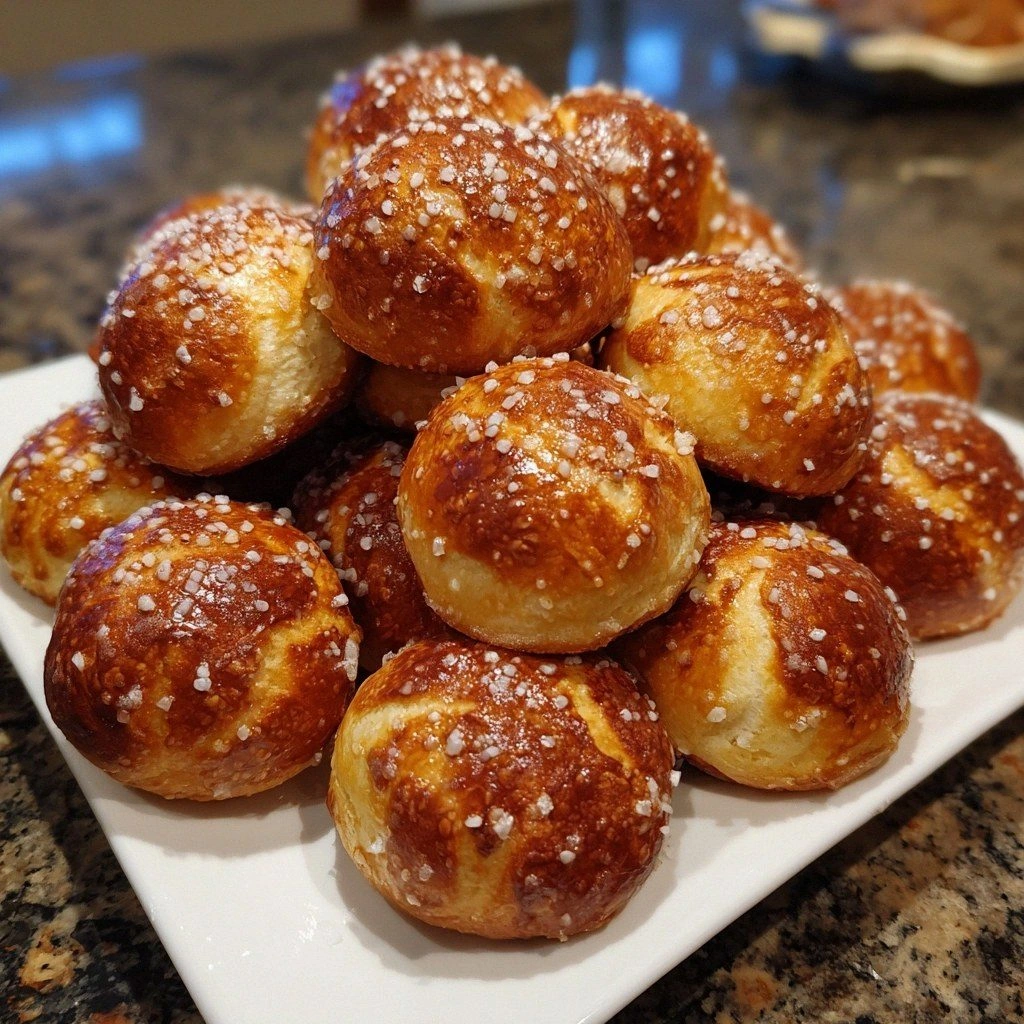
I dare you to taste this and not go back for seconds. The combination of the mild sweetness from the sugar, the depth from the baking soda, and that unmistakable sea salt crunch makes it hands down the best version you'll ever make at home. Picture yourself pulling these out of the oven, the whole kitchen smelling incredible, and the plates looking like a gallery of mini pretzels ready for a feast. Let me walk you through every single step—by the end, you'll wonder how you ever made it any other way.
What Makes This Version Stand Out
- Flavor: The subtle sweetness from the sugar balances the savory yeast, creating a complex taste profile that satisfies both sweet and salty cravings.
- Texture: The soda bath caramelizes the exterior, giving a golden crust while keeping the interior soft and fluffy.
- Ease: The recipe uses pantry staples and requires no fancy equipment—just a bowl, a baking sheet, and a pot.
- Versatility: These bite‑size pretzels are perfect for parties, game nights, or a quick snack, and they pair wonderfully with dips.
- Crowd‑pleaser: Friends rave about how the bites melt in your mouth, and they’re a hit even with kids.
- Quality: Using fresh yeast and real sea salt elevates the flavor beyond store‑bought versions.
- Make‑Ahead: The dough can be prepared the night before, refrigerated, and baked fresh in the morning.
- Time: Total prep and cook time is under 45 minutes, making it a quick yet impressive treat.
Alright, let's break down exactly what goes into this masterpiece...
Inside the Ingredient List
The Flavor Base
Warm water is the unsung hero that activates the yeast, turning the dough from a lump into a living, breathing mass of bubbles. If the water is too hot, the yeast will die; if it’s too cold, the dough will be sluggish. The right temperature—around 110°F—ensures a smooth rise. Skipping this step means a flat, lifeless dough that won’t have the airy interior we love.
Active dry yeast is the magic ingredient that makes your pretzel bites rise and become fluffy. It’s the engine that pushes the dough upward, creating that signature airy crumb. Using fresh yeast instead of instant can add a subtle depth of flavor. If you’re out of yeast, a pinch of baking powder can help, but the texture will be noticeably different.
Granulated sugar is not just for sweetness; it feeds the yeast, encouraging a robust rise. A touch of sugar also helps with browning, giving the crust a beautiful golden hue. If you prefer a savory twist, reduce the sugar by half or omit it entirely, but expect a slightly drier crust.
The Texture Crew
All‑purpose flour is the backbone of your dough, giving it structure and chewiness. It’s the canvas on which the yeast does its dance. Choosing a high‑protein flour will yield a chewier bite, while a lower‑protein flour will give a softer crumb. If you’re gluten‑free, you can replace it with a suitable blend, but the texture will change.
Salt is essential for flavor; it balances the sweetness and enhances the overall taste. Too much salt can hinder yeast activity, so measure carefully. Adding a pinch of sea salt to the dough before mixing can give a subtle flavor boost that’s hard to replicate with table salt alone.
Baking soda is what gives your pretzel bites that classic pretzel flavor and beautiful brown color. When it reacts with the dough’s acidity, it creates a chemical reaction that caramelizes the surface. If you forget baking soda, the pretzels will be pale and bland.
The Unexpected Star
Egg is beaten for an egg wash, it adds a lovely golden sheen to your pretzel bites. The egg wash also helps the sea salt adhere to the surface, creating that satisfying crunch. If you’re vegan, you can use a splash of non‑dairy milk or a tablespoon of oil instead; the crust will be slightly different.
Coarse sea salt is for sprinkling on top, adding that perfect salty crunch. It’s the final flourish that turns a simple bite into a flavor bomb. The texture of coarse salt provides a contrast to the soft interior, and it’s a classic pretzel finishing touch.
Everything's prepped? Good. Let's get into the real action...
The Method — Step by Step
- In a small bowl, combine warm water, sugar, and active dry yeast. Stir gently and let it sit for 5 minutes until frothy. This indicates the yeast is alive and ready to work its magic. I dare you to check the froth; if it’s not bubbling, you’re in trouble.
- Add the all‑purpose flour, salt, and baking soda to the yeast mixture. Stir until a shaggy dough forms, then transfer to a lightly floured surface. Knead for 6-8 minutes until the dough is smooth and elastic. The dough should feel like a rubber band that stretches but snaps back.
- Shape the dough into a ball, place it in a greased bowl, cover with a damp towel, and let it rise in a warm spot for 1 hour. The dough should double in size. If it doesn’t, check the temperature and yeast activation.
- Preheat the oven to 425°F (220°C). Line a baking sheet with parchment paper and set aside. While the oven heats, bring a large pot of water to a gentle boil.
- Punch down the dough and divide it into 12 equal portions. Roll each portion into a 4‑inch long rope, then twist into a pretzel shape. If you’re feeling fancy, you can form a classic pretzel knot.
- Prepare the soda bath by dissolving 1 tablespoon of baking soda in a large bowl of warm water. Carefully drop each pretzel into the bath for 20 seconds, then lift and let the excess drip off. The dough should look slightly puffy.
- Place the pretzels on the prepared baking sheet, brush each with the beaten egg, and sprinkle generously with coarse sea salt. The egg wash gives that shiny, golden finish and helps the salt stick.
- Bake for 12-15 minutes, or until the pretzels are a deep, golden brown. Keep an eye on them—if they start to look too dark, slide them to a cooler rack.
- Remove from the oven and let cool for 5 minutes on a wire rack. The crust will firm up slightly, and the interior will remain soft. This is the moment of truth; the aroma will have you craving more.
- Serve warm with your favorite cheese dip or mustard. If you’re not eating them immediately, cover them loosely with foil and store in an airtight container.
That's it — you did it. But hold on, I've got a few more tricks that'll take this to another level...
Insider Tricks for Flawless Results
The Temperature Rule Nobody Follows
Many bakers think room temperature is enough, but the dough actually thrives at 75°F. If your kitchen is cooler, place the dough in a slightly warm spot or wrap it in a towel to trap heat. The dough will rise faster, and the final texture will be more consistent. I once left it in a drafty room and the pretzels turned out unevenly browned.
Why Your Nose Knows Best
The aroma of a rising dough is a reliable indicator of progress. If you smell a sweet yeasty scent, the dough is ready. If it’s too sour, it’s over‑fermented. Trust your nose; it’s a seasoned chef’s secret weapon. I’ve saved dozens of batches by listening to the scent rather than the clock.
The 5‑Minute Rest That Changes Everything
After you shape the pretzels, let them rest for 5 minutes before dipping them in the soda bath. This brief pause allows the dough to relax, making it easier to handle and preventing it from tearing. Skipping this step can result in uneven shapes and a less uniform crust.
Egg Wash Perfection
Brush the pretzels with a thin layer of egg wash just before baking. This creates a glossy, golden finish and helps the sea salt adhere. For a vegan version, use a tablespoon of non‑dairy milk or a splash of water. The color will be slightly lighter, but the flavor remains.
Cooling Trick for Extra Softness
Let the pretzels cool on a wire rack, but cover them loosely with foil for the first 5 minutes. This traps steam and keeps the interior moist while the crust sets. I’ve tried baking them on a baking sheet for the entire cooling period, and they came out a bit dry.
Batch Prep for Busy Nights
Make the dough the night before and refrigerate it. The dough will develop more flavor from the slow fermentation. In the morning, just let it sit at room temperature for 30 minutes, then follow the rest of the steps. This trick saves time and adds depth to the final product.
Creative Twists and Variations
This recipe is a playground. Here are some of my favorite ways to switch things up:
Cheesy Pretzel Bites
Add ½ cup of shredded cheddar to the dough before kneading. The cheese melts into pockets of gooeyness, turning each bite into a mini grilled cheese. Serve with a tangy tomato dip for a classic combo.
Herb‑Infused Pretzel Bites
Stir in 1 tablespoon of dried rosemary or thyme into the dough. The herbs give a fragrant, savory layer that pairs well with a garlic butter sauce. The result is a pretzel that feels like a gourmet snack.
Spicy Pretzel Bites
Sprinkle a teaspoon of chili powder or cayenne into the dough for a subtle heat. The spices permeate the dough, offering a kick that balances the sweetness. Great for a party where guests love a little spice.
Chocolate Pretzel Bites
Fold in ¼ cup of cocoa powder into the dough and drizzle melted chocolate over the baked bites. The cocoa adds a deep, chocolatey flavor, while the sea salt provides a salty contrast. Serve with a vanilla yogurt dip.
Honey‑Glazed Pretzel Bites
Replace the granulated sugar with honey, and brush the baked pretzels with a honey glaze. The glaze caramelizes, giving a sweet, sticky finish. This version is perfect for a brunch or a sweet snack.
Gluten‑Free Pretzel Bites
Swap the all‑purpose flour for a gluten‑free blend that includes xanthan gum. The dough will be slightly denser but still soft. Use the same soda bath, and the pretzels will rise beautifully.
Storing and Bringing It Back to Life
Fridge Storage
Store leftover pretzel bites in an airtight container at room temperature for up to 2 days. They’ll stay soft and fresh, especially if you add a slice of bread in the container to keep moisture in. If you need them for a later day, keep them wrapped in parchment paper.
Freezer Friendly
For longer storage, freeze the baked pretzels on a parchment‑lined tray until solid, then transfer to a freezer bag. They’ll keep for up to 3 months. When ready to eat, thaw at room temperature for 30 minutes before reheating.
Best Reheating Method
Reheat in a preheated 350°F oven for 5-7 minutes, or until warmed through. For a crispier exterior, add a splash of water to the bottom of the pan and cover with foil for the first 2 minutes. The water steams the pretzels back to a soft, airy interior.