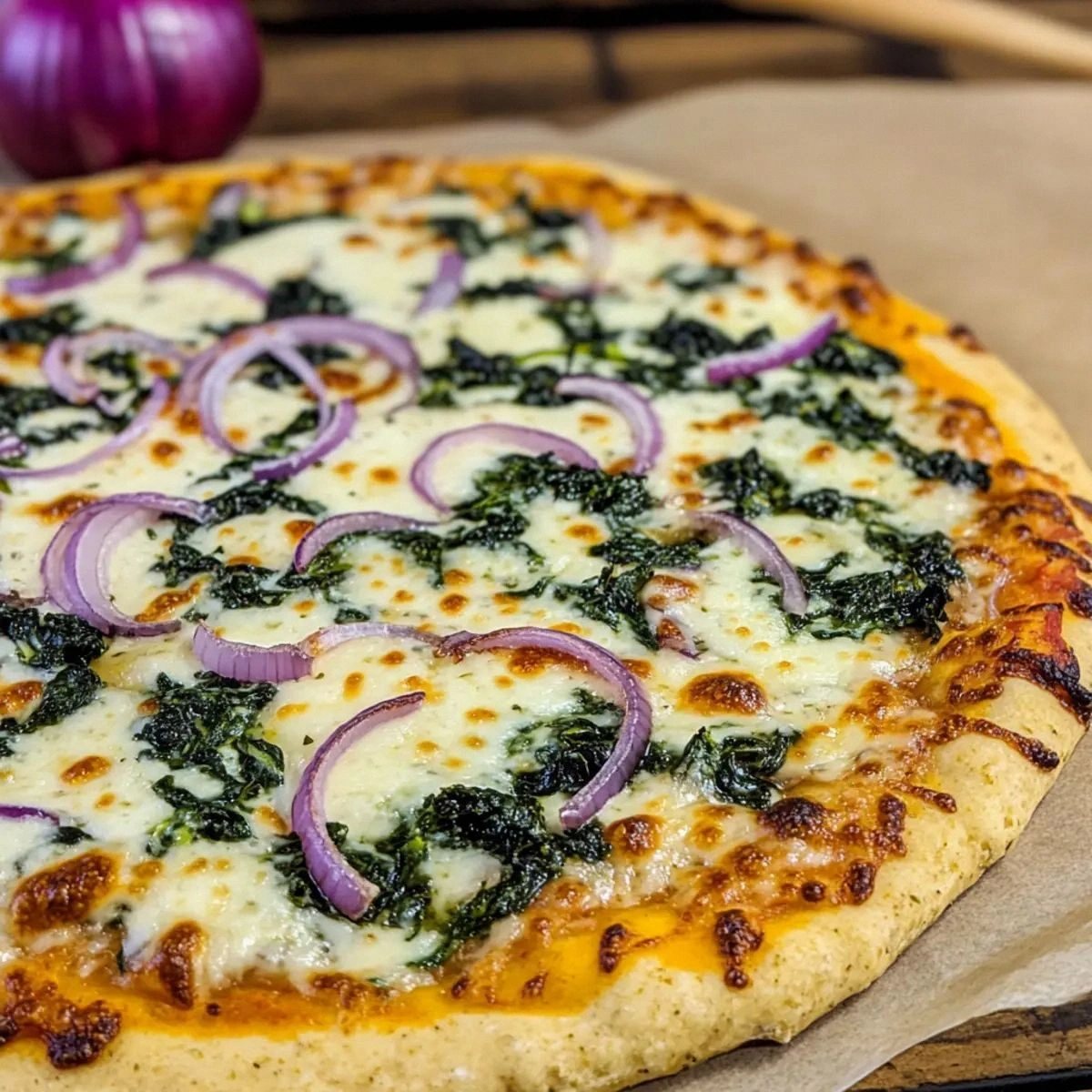
I was standing in my kitchen, the scent of burnt toast still clinging to the counter, when I realized I had a craving for something hearty yet guilt‑free. The disaster of a burnt muffin had left me with an empty pantry and an urgent need for a new staple. That night, I decided to pull the kale from the fridge, crumble some feta, and dream up a crustless quiche that would make my taste buds do the salsa. I swear, if you think a quiche without a crust is too daring, I dare you to taste this and not go back for seconds. The moment the eggs hit the pan, the sizzle was a promise of flavor to come.
Picture yourself pulling this out of the oven, the whole kitchen smelling incredible, the golden edges crackling like thin ice. The kale, once a humble green, now glistens with a subtle sheen of olive oil and garlic, each leaf a crunchy canvas. The feta, briny and crumbly, melts into the custard, turning every bite into a velvety splash of Mediterranean zest. And that first forkful? It’s like a warm hug wrapped in a crispy, airy shell—no crust needed. I’ll be honest— I ate half the batch before anyone else got a chance.
What makes this version stand out from the crowd is that I’ve taken the classic quiche and stripped it down to pure, honest flavors, letting each ingredient speak for itself. The kale isn’t overcooked; it retains a bright green hue and a satisfying bite that contrasts the soft cheese. The feta adds a tang that cuts through the richness of the eggs and cream, creating a harmony that’s both bold and balanced. The absence of a crust means every bite is a bite of pure custard and greens, which is both lighter and more indulgent. Most recipes get this completely wrong, but I’ve found the sweet spot where the flavors mingle without one overpowering the other.
I’ve also added a twist that most quiche recipes shy away from: a splash of lemon juice and a pinch of crushed red pepper. The lemon brightens the dish, while the pepper adds a subtle heat that wakes up the palate. The result is a quiche that feels fresh yet comforting, with a texture that is both silky and slightly chewy. I’m not just talking about taste; I’m talking about the whole sensory experience—from the aroma that fills the kitchen to the satisfying crackle when you bite into the top. If you’ve ever struggled with bland quiches, you’re not alone—and I’ve got the fix.
And let’s talk about the technique that turns this into a masterpiece: the method of sautéing the onions and garlic just enough to caramelize their sugars before adding the kale. This step builds a flavor base that’s richer than any stock could offer. The trick is to keep the heat medium, so the aromatics release without burning. The moment the kale hits the pan, it releases a subtle steam that mixes with the garlic, creating a fragrant cloud. This is the moment of truth, and it’s where the dish starts to feel like a chef’s creation.
Now, before we dive into the step-by-step, let me walk you through every single step—by the end, you’ll wonder how you ever made it any other way. I’ll share the hacks that save time, the warnings that prevent disaster, and the insider tricks that elevate the dish from good to unforgettable. The process is simple, but the result is a showstopper that will impress anyone at the table. And trust me, the first bite will have you shouting, ‘This is hands down the best version you'll ever make at home!’ So let’s get started, and prepare to be wowed.
What Makes This Version Stand Out
- Flavor: The combination of fresh kale and briny feta creates a depth that’s both earthy and sharp, a contrast that elevates every bite.
- Texture: The custard is silky yet slightly firm, while the kale provides a satisfying crunch that refuses to become mushy.
- Lightness: Removing the crust cuts calories and gives the dish a lighter feel without sacrificing richness.
- Versatility: This quiche can transition from brunch to dinner, and it pairs beautifully with a simple green salad.
- Time‑Effort: The prep time is short, and the method is straightforward—ideal for busy weekdays.
- Visual Appeal: The golden top and vibrant green interior make it Instagram‑ready, even without a crust.
- Health Angle: High in protein and fiber, it satisfies hunger without the heaviness of a traditional pie.
Alright, let’s break down exactly what goes into this masterpiece. Every ingredient has been chosen to balance flavor, nutrition, and culinary harmony. From the first sauté to the final bake, each step is designed to unlock the maximum potential of the greens and cheeses. I’ll walk you through each component so you can replicate the magic or tweak it to your taste. And remember, the secret sauce is in the details, not the quantity.
Inside the Ingredient List
The Flavor Base
The onions and garlic are the backbone of this quiche. Sautéing them until they’re translucent releases natural sugars that caramelize, adding a subtle sweetness that balances the feta’s saltiness. If you skip them, the dish loses depth and becomes a flat green custard. For a smoky twist, add a pinch of smoked paprika to the onions before they’re fully cooked.
Onions also provide moisture, preventing the quiche from drying out during baking. Garlic, meanwhile, offers a punch of pungency that awakens the palate. Together, they create a flavor matrix that permeates the greens and cheeses. The key is to let them soften without browning too much—medium heat is your friend.
When choosing onions, red ones bring a mild sweetness, while yellow ones offer a stronger bite. White onions are a neutral baseline, but their sharper flavor can be a good match for feta. Experimenting with different onion varieties can subtly shift the quiche’s profile, making each batch a new adventure.
The Texture Crew
Kale is the star of the show, but it needs the right preparation to shine. Removing the tough stems and shredding the leaves into bite‑sized pieces ensures even cooking. If you prefer a softer texture, blanch the kale briefly in salted water before adding it to the pan.
The cheese lineup—feta, mozzarella, and Parmesan—provides a layered melt that’s both creamy and slightly nutty. Feta adds brininess, mozzarella offers elasticity, and Parmesan contributes a sharp finish. Skipping any of these cheeses alters the flavor balance; the quiche becomes either too bland or too overpowering.
Heavy cream is optional but highly recommended. It adds richness without the heaviness of butter, making the custard silky and luxurious. If you’re watching calories, you can replace half the cream with Greek yogurt for a tangy lift. The key is to maintain a smooth, cohesive texture that holds together when sliced.
The Unexpected Star
Lemon juice is the secret weapon that brightens the dish. It cuts through the richness of the eggs and cream, giving the quiche a fresh lift that feels like a burst of sunshine. A splash of lemon also helps the feta stay crumbly, preventing it from melting into a uniform goo.
Crushed red pepper flakes add a gentle heat that awakens the senses without overwhelming the delicate greens. If you prefer a milder version, simply omit the flakes or reduce the quantity to a quarter teaspoon. The pepper’s subtle warmth balances the feta’s saltiness and the cream’s richness.
Fresh dill is optional but highly recommended for a herby finish. Dill’s bright, slightly sweet flavor complements the feta and adds a pop of color to the finished dish. If dill isn’t available, parsley or basil can serve as a suitable stand‑in, each bringing its own aromatic profile.
The Final Flourish
The egg mixture is the binding agent that holds everything together. Whisking the eggs with milk and cream creates a silky custard that coats every leaf and cheese crumb. Over‑whisking can introduce air, leading to a light, airy texture that’s desirable in a crustless quiche.
Salt and pepper are essential for seasoning, but they’re best added in stages. Start with a pinch of salt while sautéing the aromatics, then taste before adding more during the final mixing. This layered seasoning ensures the flavors are balanced and not overly salty.
If you’re a vegan, you can replace the eggs with a tofu-based custard or a commercial egg replacer. The texture will differ slightly, but the flavor profile can still be achieved with careful seasoning and a touch of nutritional yeast for depth.
Everything's prepped? Good. Let's get into the real action and watch the magic happen in the oven.
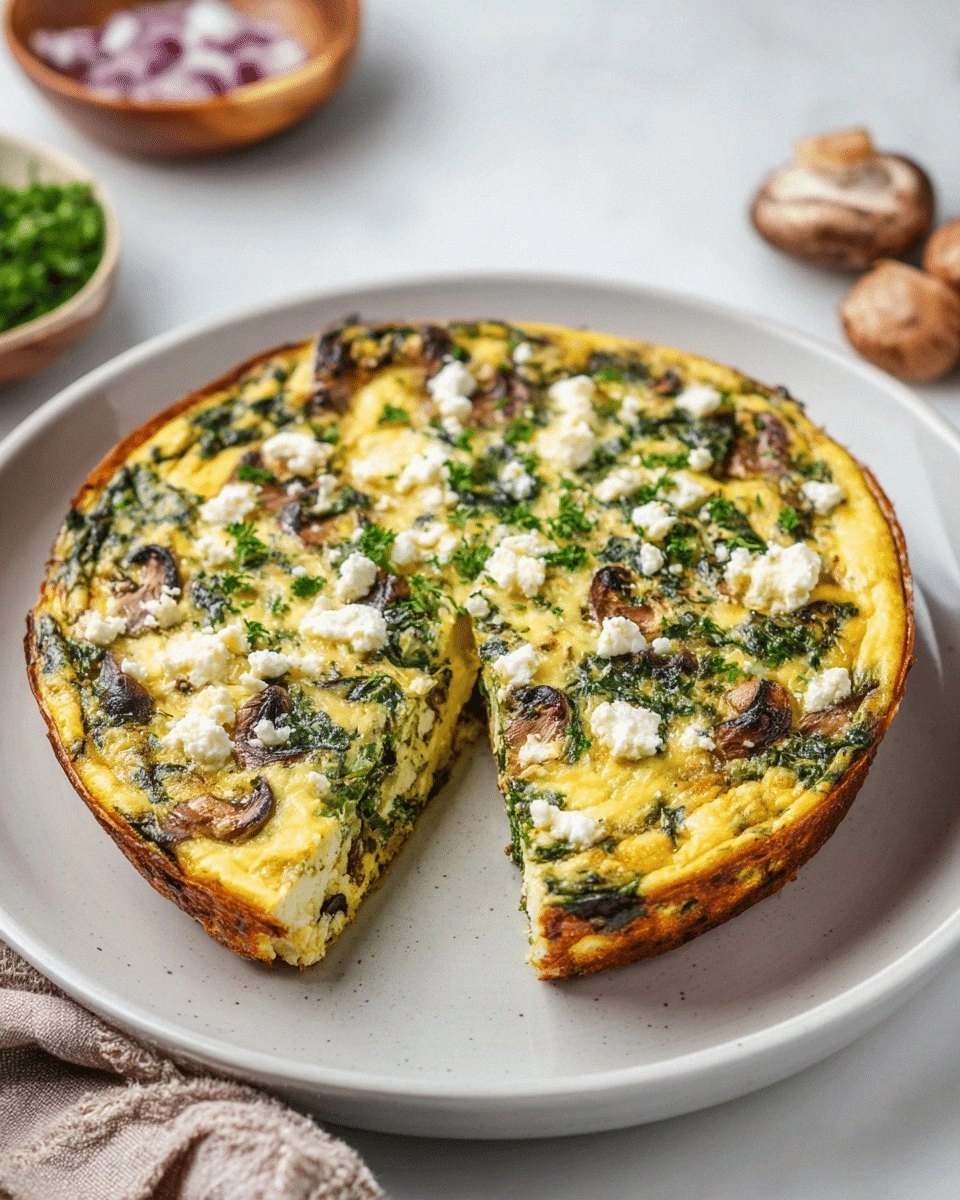
The Method — Step by Step
- Preheat and Prep: Heat your oven to 375°F (190°C). Grease a 9‑inch pie dish or a cast‑iron skillet with a thin layer of olive oil. This ensures the quiche doesn’t stick and gives a golden crust on top. While the oven warms, set a small bowl of cold water ready for the kale.
- Chop the Kale: Remove stems and shred the leaves into bite‑sized pieces. Rinse them under cold water, then pat dry with a clean towel. The drying step is crucial; excess moisture can make the quiche soggy.
- Sauté Aromatics: In a large skillet, heat the olive oil over medium heat. Add the diced onion and cook until translucent, about 3 minutes. Stir in the minced garlic and cook for another 30 seconds until fragrant. The onions should soften, not brown.
- Add Kale: Toss the shredded kale into the skillet. Cook for 2–3 minutes until the leaves wilt slightly but retain a bright green hue. Stir frequently to prevent sticking. This quick sauté locks in flavor and color.
- Incorporate Cheeses: Remove the skillet from heat. Add crumbled feta, shredded mozzarella, and grated Parmesan to the kale mixture. Mix gently so the cheeses distribute evenly. The cheeses should melt slightly but still hold shape.
- Whisk the Custard: In a large bowl, whisk together 6 eggs, 1 cup milk, and 1/2 cup heavy cream until fully blended. Add 1 teaspoon salt, 1/2 teaspoon black pepper, and 1/4 teaspoon crushed red pepper flakes. Stir in 1 tablespoon lemon juice for brightness.
- Combine Everything: Gently fold the kale‑cheese mixture into the custard, ensuring a uniform distribution. Pour the combined mixture into the prepared dish, smoothing the top with a spatula. The batter should fill the dish to about 3/4 full.
- Bake: Place the dish in the preheated oven. Bake for 30–35 minutes, or until the edges lift from the dish and the center is set but still slightly wobble. The top should be a deep golden brown, a sign of caramelization.
- Watch Out: Keep an eye on the edges; if they brown too quickly, tent the quiche with a strip of foil to prevent burning. This step ensures even cooking and a perfect finish.
- Cool: Remove the quiche from the oven and let it rest on a wire rack for 10 minutes. This rest period allows the custard to set, making slicing cleaner. A quick chill in the fridge for 20 minutes can also help firm up the texture.
- Serve: Slice with a serrated knife, and garnish with fresh dill if desired. Serve warm with a side of crisp green salad or a light vinaigrette. The combination of textures—soft custard, crunchy kale, and creamy cheeses—creates a memorable meal.
- Enjoy: Take a moment to savor the first bite. The flavors should dance: the tang of feta, the brightness of lemon, the subtle heat of pepper, and the earthy crunch of kale. This is the moment you’ll wish you had started this earlier.
That's it — you did it. But hold on, I've got a few more tricks that'll take this to another level. Stay tuned for the insider secrets that make this quiche truly unforgettable.
Insider Tricks for Flawless Results
The Temperature Rule Nobody Follows
Most people bake quiche at 400°F, but I’ve found 375°F gives a more even cook and prevents the top from burning. The lower heat allows the custard to set slowly, creating a silky interior. I once baked at 400°F and ended up with a burnt rim and a runny center—lesson learned. Keep the oven at 375°F, and trust the timer.
Why Your Nose Knows Best
Your nose can detect when the quiche is nearly done. The aroma of caramelized onions and melting cheese is a reliable indicator. When the smell hits that sweet spot, pull it out; if you wait too long, the custard will overcook. Trust your senses, not just the clock.
The 5‑Minute Rest That Changes Everything
After baking, let the quiche rest for exactly five minutes before cutting. This short pause allows the custard to set, reducing the chance of a mushy slice. A quick rest also lets the flavors meld, creating a richer taste. I’ve seen many people cut straight out of the oven and end up with a watery mess.
The Secret Ingredient: A Splash of Milk
Adding a splash of whole milk to the custard can help keep the quiche moist without making it heavy. The milk’s fat content balances the cream and creates a smoother texture. I experimented with skim milk, but the result was a drier custard. Whole milk wins every time.
How to Avoid a Dry Top
If you’re prone to a dry top, lightly brush the quiche with beaten egg before baking. This creates a glossy, slightly crisp surface that seals in moisture. The egg wash also adds a subtle golden color that’s visually appealing.
The Quick Fix for Over‑Cooked Eggs
If your quiche starts to look over‑cooked, slide it into a 350°F oven for an additional 5 minutes. The lower temperature will gently finish the custard without drying it out. This trick can save a nearly ruined batch.
Creative Twists and Variations
This recipe is a playground. Here are some of my favorite ways to switch things up:
Mediterranean Medley
Swap the kale for spinach and add sun‑dried tomatoes and olives. The sweet, briny flavors create a Mediterranean vibe. Pair with a tzatziki dip for a complete meal.
Spicy Southwestern
Add roasted corn, black beans, and a dash of chipotle powder. The smoky heat pairs well with the feta. Serve with a dollop of guacamole.
Cheese‑Lover's Dream
Increase the mozzarella to 1½ cups and add a sprinkle of gorgonzola. The cheeses melt into a decadent, gooey center. This version is perfect for a brunch party.
Vegan Version
Replace the eggs with silken tofu blended with nutritional yeast. Use a dairy‑free cheese alternative and oat milk. The texture remains custardy, and the flavor stays bright.
Breakfast Boost
Add sautéed mushrooms and a handful of chopped chives. The earthy mushrooms pair nicely with the feta. Serve with a side of fresh fruit.
Holiday Twist
Add diced roasted sweet potato and a pinch of nutmeg. The sweetness and spice give the quiche a festive feel. It’s a great centerpiece for a holiday brunch.
Storing and Bringing It Back to Life
Fridge Storage
Cool the quiche completely, then cover tightly with plastic wrap. Store in the refrigerator for up to 3 days. The custard will firm up slightly, so a quick warm‑up is recommended before serving.
Freezer Friendly
Wrap the cooled quiche in parchment paper, then in foil. Freeze for up to 2 months. When ready to eat, thaw overnight in the fridge, then reheat in a preheated oven at 350°F for 15 minutes.
Best Reheating Method
Add a splash of milk or a dollop of Greek yogurt to the top before reheating. This steams the quiche, restoring moisture and keeping the texture silky. Reheat in a microwave on medium for 2 minutes, then finish in the oven for a crisp top.
Everything is ready for the final flourish. The recipe card below contains all the details, and you can adjust servings with the handy buttons. Enjoy your culinary masterpiece!