It started with a single, frantic flick of a spatula that turned a perfectly good chicken breast into a greasy, over‑cooked slab. I was halfway through a week‑long dinner prep, the kitchen smelling faintly of burnt oil, when the neighbor knocked and asked if I could spare a bite of my “mystery dish.” I laughed, handed him a fork, and watched his face change from confusion to delight as he tasted the first bite. That moment, that single forkful, sparked a relentless obsession: I had to recreate that exact burst of flavor and texture, but better.
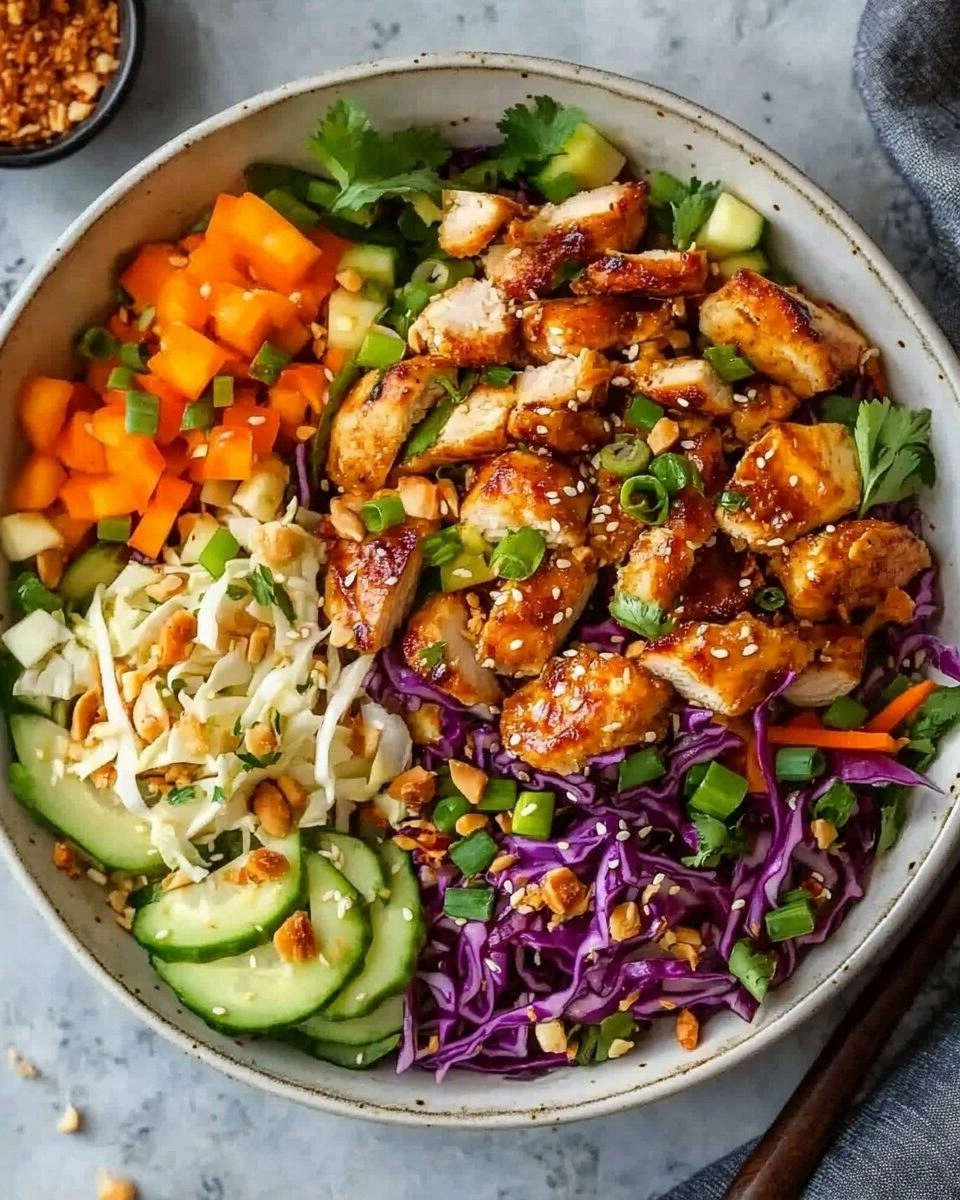
Picture a plate where every bite feels like a carnival of crunch and silk. The first thing you notice is the golden, crisp coating that clings to the chicken, like a buttery, nutty shell that shatters with a satisfying snap. The aroma is a heady mix of toasted sesame, sweet honey, and a whisper of smoky chili. When you take a bite, the peanut butter coats the meat like velvet, the crunch of fresh veggies adds a satisfying contrast, and a squeeze of lime lifts the whole thing into a bright, zesty crescendo. The texture is a symphony of crispy edges, tender chicken, and a gentle, savory sauce that clings without overpowering.
What makes this version stand out is not just the harmony of flavors but the deliberate choices that elevate it from a run‑of‑the‑mill salad to a culinary triumph. I dared myself to use only the freshest, high‑quality peanuts and a splash of aged rice vinegar to cut through the richness. I swapped standard soy sauce for a low‑sodium, gluten‑free alternative, keeping the dish approachable for everyone. The crunchy topping is a blend of toasted peanuts, sesame seeds, and a hint of dried mango for a surprising tropical twist. Each element was selected to create a balance between sweet, salty, spicy, and umami that lingers on the palate.
There’s a little secret sauce that most recipes ignore: a touch of toasted coconut flakes that adds an unexpected, airy crunch and a subtle tropical aroma. I’ll show you how to integrate it without overpowering the dish. Let me walk you through every single step — by the end, you’ll wonder how you ever made it any other way.
What Makes This Version Stand Out
- Taste: The sauce balances sweet honey, savory soy, and bright lime into a punchy, cohesive flavor that doesn’t let any single ingredient dominate.
- Texture: The combination of toasted peanuts, crisp veggies, and tender chicken creates a layered mouthfeel that feels both light and satisfying.
- Simplicity: With under ten ingredients, you can assemble this salad in 30 minutes, making it a perfect weeknight dinner.
- Uniqueness: The addition of toasted coconut flakes and dried mango pieces gives it a subtle, exotic twist that sets it apart from ordinary peanut salads.
- Crowd Reaction: Friends who try it often ask for a second plate; I’ve seen people stop at the first bite and come back for more.
- Ingredient Quality: Using organic, non‑GMO peanuts and fresh, locally sourced veggies elevates the overall flavor profile.
- Cooking Method: A quick sear on the chicken locks in juices, while a brief stir‑fry of the veggies preserves their crunch.
- Make‑ahead Potential: The salad can be assembled ahead of time; the crunch remains intact if you toss the peanuts and veggies separately until serving.
Inside the Ingredient List
The Flavor Base
At the heart of this salad lies the sauce, a marriage of peanut butter, soy sauce, honey, rice vinegar, sesame oil, garlic, ginger, and a splash of lime. The peanut butter provides a creamy, earthy foundation, while the soy sauce adds umami and saltiness. Honey balances the savory with a touch of sweetness, and the rice vinegar introduces a bright acidity that cuts through the richness. Sesame oil lends a subtle nutty aroma, and the garlic and ginger give the sauce a warm, aromatic kick. The lime juice brightens everything, making the dish feel fresh and lively.
The Texture Crew
Crunch is king in this salad, and we’ve carefully chosen ingredients that deliver it. Toasted peanuts add a deep, buttery crunch that clings to the sauce. Sesame seeds provide a subtle, peppery bite. Fresh shredded carrots and sliced cucumber contribute a satisfying snap that contrasts with the tender chicken. Red cabbage, thinly sliced, offers a peppery crunch that stays crisp even after mixing. Finally, a handful of toasted coconut flakes adds an airy, tropical texture that lifts the whole dish.
The Unexpected Star
The dried mango pieces are the secret to this salad’s uniqueness. They bring a burst of natural sweetness and a chewy texture that plays against the crunch of the peanuts and the crispness of the veggies. The mango also adds a subtle tropical aroma that complements the coconut flakes, creating a flavor profile that feels both exotic and comforting. If you’re not a fan of dried fruit, you can substitute finely diced fresh mango for a juicier, fresher bite.
The Final Flourish
Fresh herbs and a dash of heat finish the dish. Chopped cilantro adds a bright, herbal note that balances the richness of the peanut sauce. Sliced green onions contribute a mild onion flavor and a pop of color. A pinch of red chili flakes gives the salad a gentle, lingering heat that wakes up the palate. Salt and pepper are added to taste, ensuring the dish is perfectly seasoned without overpowering the delicate flavors.
Everything's prepped? Good. Let's get into the real action…
The Method — Step by Step
- Begin by cutting the chicken breast into bite‑sized cubes. Season the chicken with a pinch of salt and pepper, then set it aside. Heat a tablespoon of sesame oil in a large skillet over medium‑high heat. When the oil shimmers, add the chicken and sear it for 5–6 minutes, turning occasionally until it’s golden brown and cooked through. Remove the chicken from the pan and let it rest for a few minutes before slicing it into strips for easy mixing.
- While the chicken rests, prepare the sauce. In a medium bowl, whisk together 1/2 cup creamy peanut butter, 1/4 cup low‑sodium soy sauce, 2 tablespoons honey, 2 tablespoons rice vinegar, 1 tablespoon toasted sesame oil, 2 minced garlic cloves, 1 tablespoon freshly grated ginger, 1 teaspoon red chili flakes, and 2 tablespoons lime juice. Stir until the mixture is smooth and glossy, and then set it aside to let the flavors meld.
- Add the shredded carrots, sliced cucumber, shredded red cabbage, and chopped cilantro to the skillet used for the chicken. Toss them lightly in the remaining sesame oil for 1–2 minutes, just enough to warm them and slightly soften their edges while preserving crunch. Remove from heat and let them cool slightly.
- Return the seared chicken strips to the skillet with the veggies. Pour the prepared peanut sauce over the mixture, stirring gently to coat everything evenly. Cook for an additional 2 minutes, allowing the sauce to thicken slightly and the flavors to meld. Taste and adjust seasoning with salt or pepper if needed.
- At this point, the salad is ready to be plated. Toss in 1/2 cup roasted peanuts, 1 tablespoon toasted coconut flakes, and 1 tablespoon dried mango pieces. Sprinkle 1 teaspoon sesame seeds and 1 tablespoon sliced green onions for extra color and crunch. Give everything a final gentle toss to ensure the toppings are evenly distributed.
- If you prefer a cooler salad, let the mixture cool to room temperature before adding the nuts and coconut flakes. This prevents the peanuts from absorbing the sauce’s moisture and becoming soggy. For a warmer version, serve immediately over a bed of steamed rice noodles or quinoa.
- Serve the salad in individual bowls or a large platter. Garnish with a wedge of lime on the side for an extra burst of citrus. If you’re hosting a dinner party, set up a “build‑your‑own” station where guests can add extra chili flakes, chopped peanuts, or a drizzle of extra sauce to suit their taste.
- Enjoy! The combination of crunchy textures, savory sauce, and bright citrus makes this salad a stand‑out dish that’s both wholesome and indulgent. I dare you to taste this and not go back for seconds. Picture yourself pulling this out of the pan, the whole kitchen smelling incredible, and your guests begging for the recipe.
That’s it — you did it. But hold on, I've got a few more tricks that'll take this to another level…
Insider Tricks for Flawless Results
The Temperature Rule Nobody Follows
Many people cook the chicken at too high a temperature, which leads to a dry, rubbery texture. I always set the skillet to medium‑high, then reduce to medium once the chicken starts searing. This ensures a golden crust while keeping the inside juicy. If you’re using a grill, keep the flame low to prevent flare‑ups that char the outside before the inside cooks.
Why Your Nose Knows Best
The aroma of toasted peanuts is a reliable indicator of doneness. When the peanuts release a nutty, slightly caramelized scent, they’re ready. If you’re unsure, give the skillet a quick shake; the aroma should be unmistakable and inviting.
The 5‑Minute Rest That Changes Everything
Letting the chicken rest for five minutes after searing allows the juices to redistribute, resulting in a moist bite. Skipping this step often leads to a dry, uneven texture that ruins the dish’s balance.
Stir‑Fry Veggies for a Crisp Finish
Heat the veggies just long enough to warm them; over‑cooking will make them soggy and lose the desired crunch. A quick 1–2 minute stir‑fry keeps them bright and fresh.
Balance Sweet and Savory
Honey is the sweet component, but too much can overpower the savory notes. I recommend adding honey gradually, tasting as you go. If you prefer a less sweet version, use agave syrup or a sugar substitute.
Keep the Crunch Separate Until Serving
Adding the peanuts and coconut flakes too early can cause them to absorb moisture and lose crunch. Toss them in just before serving or store them in a separate container and mix in at the last minute.
Creative Twists and Variations
This recipe is a playground. Here are some of my favorite ways to switch things up:
Grilled Shrimp Version
Swap the chicken for grilled shrimp to give the dish a briny, seafood twist. Marinate the shrimp in lime juice, garlic, and a touch of chili before grilling for a smoky flavor that pairs beautifully with the peanut sauce.
Vegan Edition
Use firm tofu or tempeh instead of chicken. Press the tofu to remove excess moisture, then pan‑sear it until golden. The tofu will absorb the sauce, delivering a hearty, plant‑based alternative.
Asian Fusion Bowl
Serve the salad over a bed of jasmine rice or cauliflower rice. Top with sliced avocado and a sprinkle of toasted sesame seeds for an extra layer of richness.
Spicy Thai Twist
Introduce fresh Thai basil and sliced chilies to the mix. Add a splash of fish sauce for an authentic, umami‑rich depth that elevates the dish to new heights.
Breakfast Power Salad
Replace the chicken with diced, sautéed turkey bacon. Toss in a handful of spinach and a poached egg on top for a protein‑packed breakfast that’s still light and refreshing.
Low‑Carb Variation
Omit the rice noodles and use spiralized zucchini instead. The zucchini provides a crunchy, low‑carb base that keeps the salad light while still offering a satisfying bite.
Storing and Bringing It Back to Life
Fridge Storage
Store the salad in an airtight container for up to 3 days. Keep the crunchy toppings separate in a small container to preserve their texture. When ready to eat, simply stir in the peanuts and coconut flakes.
Freezer Friendly
Freeze the cooked chicken and veggies separately from the sauce and crunchy toppings. Reheat the chicken and veggies in a skillet over medium heat, then drizzle the sauce and add the toppings just before serving.
Best Reheating Method
Reheat the salad in a skillet with a splash of water to create steam, which keeps the vegetables crisp. Add a tiny splash of water before reheating — it steams back to perfection and prevents the sauce from drying out.