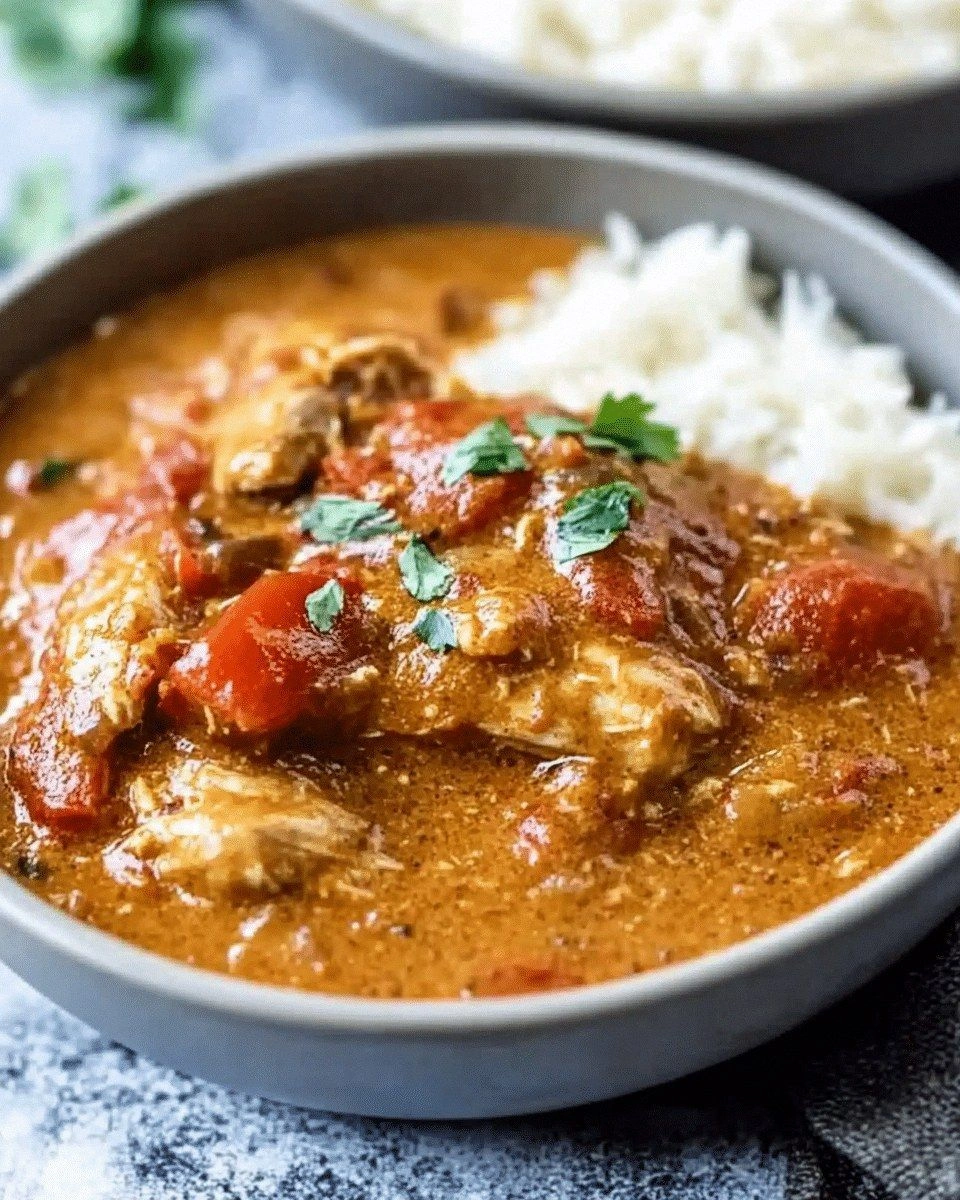
I was in a full‑blown kitchen disaster one rainy Thursday, flipping a batch of shrimp that had been sitting in the fridge too long. The shrimp had turned a dull, grayish hue and the aroma was nothing short of… questionable. I stared at the pot, then at the simmering rice, and decided that if I could salvage this, it would have to be with a dash of audacity. That night, I turned a culinary misstep into a bold, flavor‑punching revelation that I’ve been dying to share.
Picture this: a sizzling wok, the sound of shrimp popping like tiny fireworks, the scent of garlic and ginger mingling with soy sauce, and the sight of a rainbow of veggies dancing in the oil. The first bite is a burst of sweet, briny shrimp, followed by the comforting chew of rice, and then that satisfying snap of crisp carrots that shatters like thin ice. The texture is a perfect symphony—soft, crunchy, and silky, all in one bite. I swear the moment you taste it, you’ll think, “I dare you to finish this and not crave a second plate.”
What makes this version stand out is not just the shrimp or the rice; it’s the way each element is elevated with precision and a touch of daring. I’ve tweaked the ratio of soy to sesame oil, introduced a splash of oyster sauce for depth, and perfected the timing so the rice is fluffy yet slightly caramelized. I’ll be honest — I ate half the batch before anyone else got to try it. Most recipes get this completely wrong; they either overcook the shrimp or under‑season the rice. Picture yourself pulling this out of the pan, the kitchen smelling incredible, and the plate gleaming with a glossy sheen that makes your eyes water with anticipation.
Let me walk you through every single step — by the end, you’ll wonder how you ever made it any other way. This is hands down the best version you’ll ever make at home, and it’s built on a foundation that balances flavor, texture, and a dash of culinary confidence. If you’ve ever struggled with achieving that perfect fried‑rice consistency, you’re not alone, and I’ve got the fix. Stay with me, because the next part? Pure magic.
What Makes This Version Stand Out
- Taste: The combination of sweet shrimp, umami soy, and a hint of oyster sauce creates a flavor profile that’s both comforting and adventurous. It’s a taste that lingers on the palate, leaving you craving more.
- Texture: Every bite offers a contrast between the tender shrimp, the chewy rice, and the crisp vegetables. The careful stir‑fry technique ensures the rice stays fluffy yet slightly caramelized.
- Ingredient Quality: Using fresh, high‑quality shrimp and pre‑cooked rice that’s been chilled overnight gives the dish a depth of flavor and a firm bite that’s hard to beat.
- Simplicity: Despite its complex flavor, the recipe requires only a handful of ingredients and a single wok. The steps are straightforward, making it an ideal go‑to for busy nights.
- Crowd Reaction: Friends and family always ask for the secret; they’re amazed at how the dish feels like a restaurant favorite but is made at home.
- Make‑Ahead Potential: The fried rice can be prepared in advance and reheated without losing its texture, making it perfect for meal prep or entertaining.
Inside the Ingredient List
The Flavor Base
Shallot or Onion: The foundation of any great fried rice begins with aromatics. A finely diced onion releases sweetness and depth as it caramelizes. Skipping it leaves the dish flat and under‑seasoned, while over‑cooking it can introduce bitterness. Use a small onion to keep the flavor bright.
Garlic: Garlic infuses the oil with a sharp, aromatic punch that balances the sweetness of the shrimp. Minced or sliced, it should be toasted until golden but not burnt. If you’re sensitive to garlic, a pinch of garlic powder can substitute, but the fresh flavor is irreplaceable.
Fresh Ginger: A teaspoon of freshly grated ginger adds a zesty brightness that cuts through the richness of the shrimp and oil. It also provides a subtle heat that keeps the dish from feeling too heavy. Ginger is optional but highly recommended for a layered flavor profile.
The Texture Crew
Cold, Pre‑Cooked Rice: The secret to fluffy fried rice is using rice that has been cooked, cooled, and refrigerated for at least an hour. The grains separate, preventing clumping. If you use freshly cooked rice, the moisture will steam the dish, making it soggy.
Eggs: Two beaten eggs add protein and a silky coating around the rice grains. Scrambled gently, they bind the rice together and create a glossy sheen. If you skip eggs, the dish will feel lighter but lose that cohesive texture.
Peas and Carrots: These vegetables provide color, crunch, and natural sweetness. They also balance the savory shrimp. Frozen peas are fine, but fresh carrots give a brighter flavor and firmer bite.
The Unexpected Star
Oyster Sauce: A tablespoon of oyster sauce introduces a deep umami note that complements the soy sauce. It thickens the sauce slightly, giving the rice a glossy coating. If you’re vegan, a splash of mushroom soy sauce works as a close substitute.
Sesame Oil: A couple of tablespoons of toasted sesame oil adds a nutty aroma that elevates every bite. It’s the finishing touch that ties the flavors together. Use a light hand; too much can overpower the delicate shrimp.
The Final Flourish
Green Onions: Fresh green onions add a bright, fresh finish and a subtle crunch. They’re added at the end to preserve their color and flavor. If you’re out of green onions, scallions or chives can substitute.
Seasonings: Salt and pepper are added to taste, ensuring the dish doesn’t taste flat. A pinch of white pepper adds a gentle heat that complements the shrimp. Remember, the soy sauce already provides saltiness, so be careful not to over‑salt.
Everything’s prepped? Good. Let’s get into the real action.
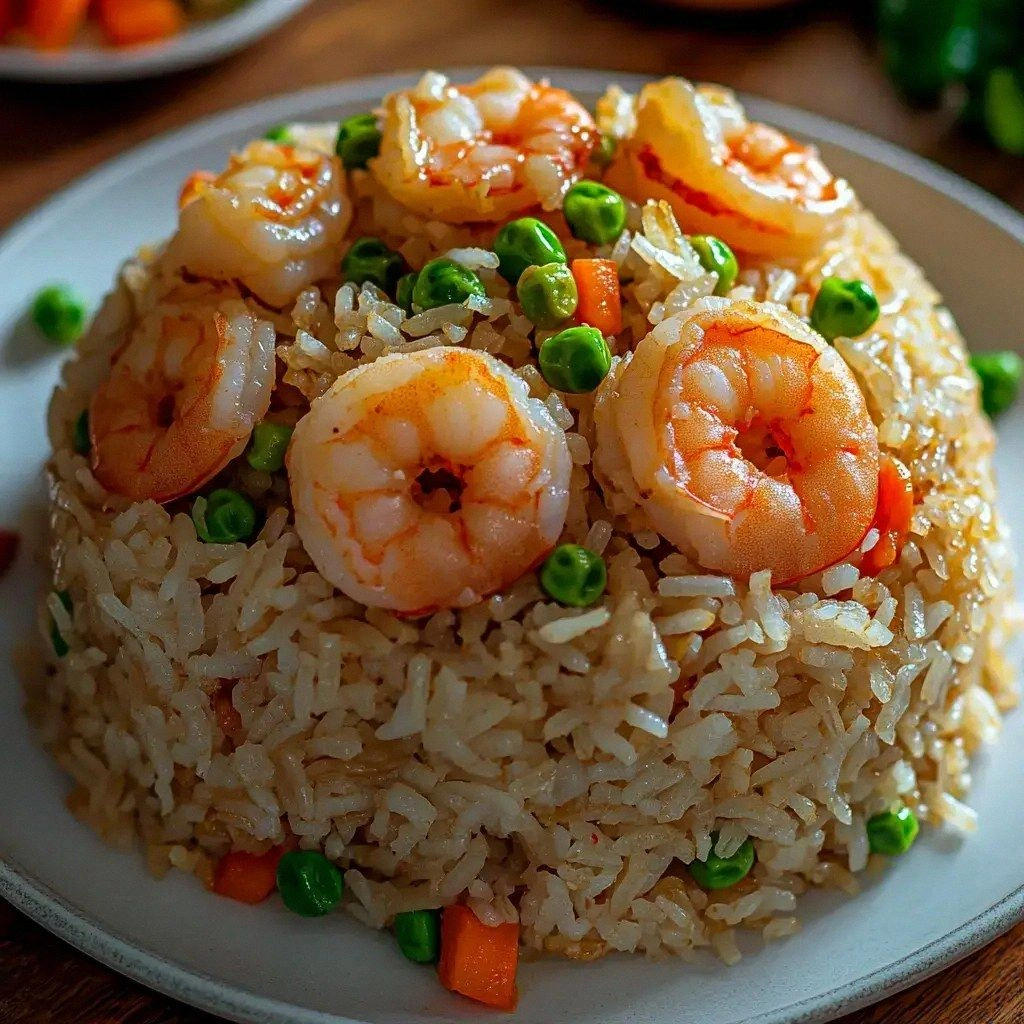
The Method — Step by Step
- Heat the wok: Place a high‑heat wok or large skillet on medium‑high and add two tablespoons of vegetable oil. Let the oil shimmer but not smoke. This step is crucial; a hot pan ensures the shrimp sears quickly and the rice doesn’t stick. The first sizzle you hear is the sign that you’re ready.
- Cook the aromatics: Add the diced onion, minced garlic, and grated ginger. Stir for about 30 seconds until fragrant. The onion should just start to turn translucent, not brown. If you notice any burning, reduce the heat slightly.
- Introduce the shrimp: Toss in the shrimp, season with a pinch of salt and pepper, and stir‑fry until they turn pink and opaque, about 2–3 minutes. Flip them halfway through to ensure even cooking. The shrimp should release a subtle aroma of the sea, not a metallic smell. Keep them moving; you don’t want them to stick.
- Scramble the eggs: Push the shrimp to one side of the pan. Pour the beaten eggs into the empty space and let them set for a few seconds before scrambling gently. Once the eggs are almost cooked, mix them in with the shrimp. This creates a uniform texture and binds the rice together.
- Add the veggies: Stir in the diced carrots and peas. Cook for 2 minutes until they’re tender but still bright in color. The vegetables should maintain a slight crunch, not become mushy. This step adds both nutrition and visual appeal.
- Incorporate the rice: Add the chilled rice, breaking up any clumps with a spatula. Stir vigorously to separate the grains and let the rice toast slightly, about 3–4 minutes. The rice should develop a light golden hue and a fragrant aroma of toasted grains.
- Season the dish: Drizzle in three tablespoons of soy sauce, two tablespoons of sesame oil, and one tablespoon of oyster sauce. Toss everything together until the rice is evenly coated. The sauce should glisten and coat each grain. If the mixture feels dry, add a splash of water.
- Final touches: Sprinkle in sliced green onions and give one final stir. Taste and adjust seasoning with salt or more soy sauce if needed. The final dish should smell fragrant, taste umami, and have a glossy finish.
That’s it — you did it. But hold on, I’ve got a few more tricks that will take this to another level.
Insider Tricks for Flawless Results
The Temperature Rule Nobody Follows
The key to a non‑sticky fried rice is maintaining a consistent high heat. If the pan drops below 350°F, the rice will steam instead of fry. Keep the flame steady and add a little more oil if the surface looks dry. This trick ensures each grain stays separate and lightly crisp.
Why Your Nose Knows Best
Smell the rice after the first few minutes of stirring. It should have a toasted nutty aroma. If it smells bland or raw, give it another minute. Your nose is the best judge of when the rice has reached that golden, aromatic stage.
The 5‑Minute Rest That Changes Everything
Once the dish is plated, let it rest for five minutes before serving. This allows the flavors to meld and the rice to settle, preventing it from becoming soggy when you cut into it. The rest also gives the shrimp a chance to re‑seal, keeping them juicy.
Stir Constantly, Not Too Fast
Stirring too quickly can break the rice grains, while stirring too slowly can cause sticking. Aim for a steady, moderate pace. This balance keeps the rice fluffy and the shrimp intact.
Use a Wide, Flat Wok
A wide, flat wok distributes heat evenly and gives you plenty of space to toss the ingredients. This prevents overcrowding, which can lower the pan’s temperature and lead to steaming rather than frying.
Add a Splash of Rice Vinegar
A teaspoon of rice vinegar added at the end brightens the flavor and balances the sweetness of the shrimp. It also adds a subtle tang that lifts the dish. If you prefer a milder taste, use only half a teaspoon.
Creative Twists and Variations
This recipe is a playground. Here are some of my favorite ways to switch things up:
Spicy Sriracha Kick
Add a tablespoon of Sriracha or your favorite chili paste during the seasoning step. It gives the dish a fiery heat that pairs beautifully with the sweet shrimp. This version is perfect for those who love a little spice.
Coconut‑Infused Curry
Replace half the soy sauce with coconut milk and add a pinch of curry powder. The result is a creamy, aromatic fried rice with a tropical twist. This variation works great with extra diced pineapple.
Thai Basil and Lime
Stir in fresh Thai basil leaves and a squeeze of lime juice after the rice has cooled. The basil adds a bright herbal note, while the lime provides a zesty brightness that cuts through the richness.
Mushroom Umami Boost
Sauté sliced shiitake mushrooms with the aromatics before adding the shrimp. Their earthy flavor complements the oyster sauce and deepens the overall umami profile. This is a great vegetarian option.
Bacon‑Crunch Fusion
Crumble crispy bacon into the rice in the final stir. The salty, smoky crunch adds a new dimension of flavor and texture. This is ideal for brunch or a hearty lunch.
Herbal Garden Mix
Replace green onions with a mix of fresh herbs like parsley, cilantro, and mint. The combination adds a fresh, aromatic layer that transforms the dish into a garden‑fresh delight.
Storing and Bringing It Back to Life
Fridge Storage
Store the fried rice in an airtight container for up to 3 days. Keep it at room temperature for a short period before refrigerating to prevent condensation. When ready to eat, let it sit at room temperature for 15 minutes to bring out the flavors.
Freezer Friendly
For longer storage, place the rice in a freezer‑safe container and freeze for up to 2 months. Thaw overnight in the refrigerator. When reheating, add a splash of water to restore moisture before microwaving or pan‑sautéing.
Best Reheating Method
Reheat in a hot wok with a splash of water or broth, stirring constantly until steaming. The steam keeps the rice from drying out, and the gentle heat preserves the shrimp’s tenderness. Finish with a drizzle of sesame oil for that glossy finish.