I was standing in the kitchen, staring at a 3‑pound spaghetti squash that looked more like a stubborn piece of furniture than a future meal. I’d just pulled it out of the oven, expecting a bland, dry side dish, but the aroma that hit me was unmistakably sweet, almost caramelized, with a hint of nutty undertones. The moment the steam curled up, I realized I could turn this humble squash into a full‑blown chow mein, and that thought sent a spark of culinary mischief through me. I’ve tried every takeout‑style noodle recipe on the market, and none of them have matched the texture and flavor profile I was about to create.
Picture this: silky strands of squash that mimic the delicate, almost translucent feel of fresh noodles, coated in a savory sauce that feels like a velvet blanket. The sauce is a symphony of soy, oyster, and rice vinegar, with a whisper of chili garlic that keeps your palate on its toes. The crunch of snow peas, the snap of carrots, and the bright pop of red bell pepper add layers of texture that make every bite a new experience. And the best part? You get all the satisfaction of a takeout plate without the guilt of excess carbs or oil.
What makes this version stand out is that it’s not just a substitution; it’s a reinvention. I’ve stripped away the unnecessary, added fresh, vibrant vegetables, and kept the sauce simple yet incredibly flavorful. I’ll show you how to get that perfect balance of sweet, salty, and spicy, and how to keep the squash from turning mushy. Trust me, this is hands down the best version you’ll ever make at home.
I dare you to taste this and not go back for seconds. That’s the power of a dish that feels indulgent but stays light, that can be made in less than an hour, and that will have your friends asking for the recipe. Stay with me here — this is worth it.
What Makes This Version Stand Out
- Texture: The squash’s natural fibers create a noodle‑like feel that’s both satisfying and low in carbs, offering a new way to enjoy your favorite stir‑fry without the heaviness.
- Flavor: A balanced blend of soy, oyster, and rice vinegar gives depth, while a splash of chili garlic sauce adds just the right amount of heat, keeping the dish vibrant.
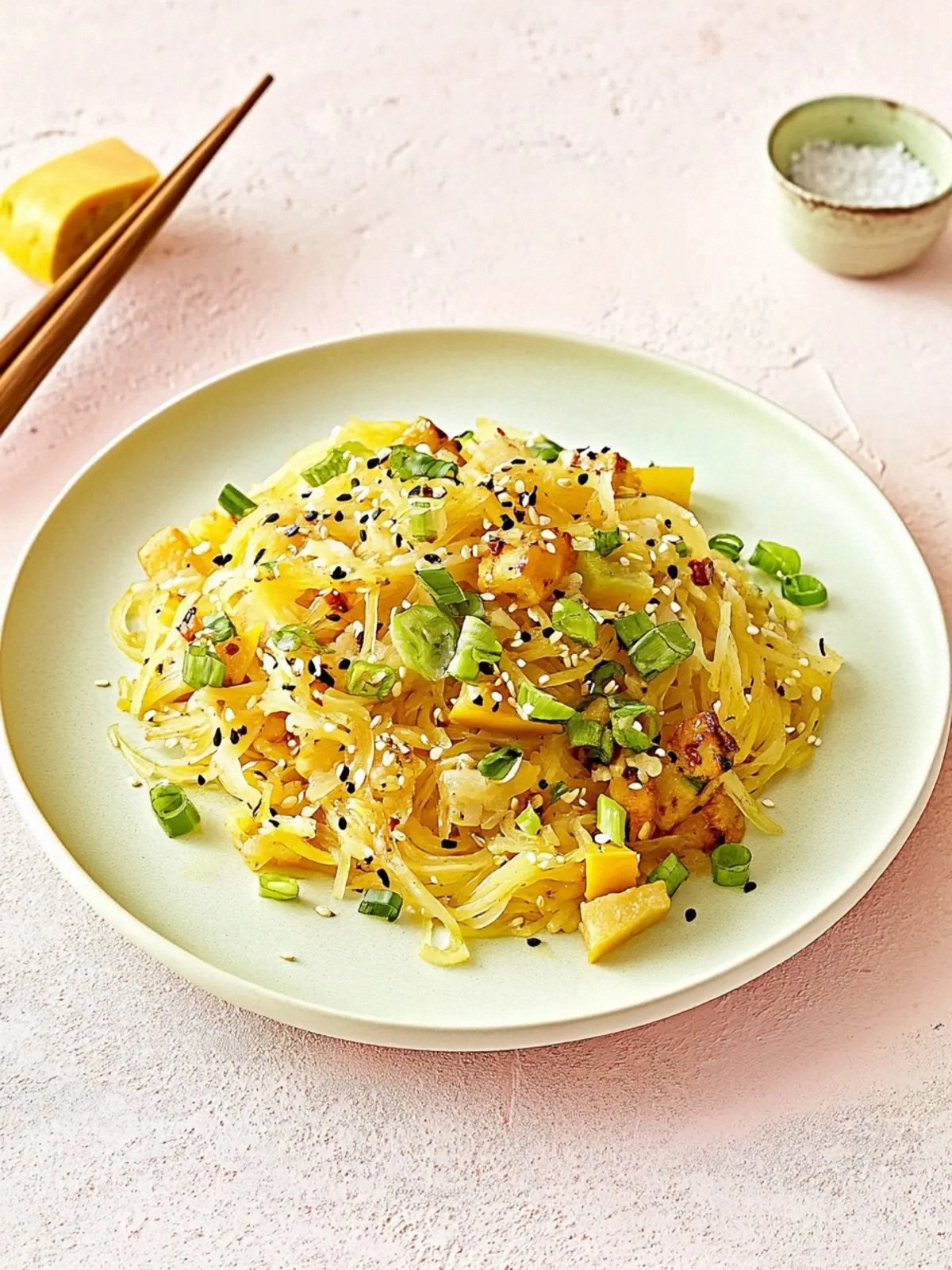
- Visual Appeal: The vibrant red bell pepper and green snow peas contrast beautifully with the golden squash, making the plate look as good as it tastes.
- Convenience: The squash can be roasted in advance and stored, making this dish a perfect make‑ahead option for busy weeknights.
- Nutrition: With only 350 calories per serving and a good protein punch, this dish satisfies without the sugar crash.
- Versatility: Swap the veggies or add tofu for a plant‑based version, or throw in shrimp for a quick protein boost.
Alright, let’s break down exactly what goes into this masterpiece. And now, for a quick kitchen hack that will change the way you prep squash.
Inside the Ingredient List
The Flavor Base
The sauce is the heart of this dish, and it’s built on three simple liquids that work together like a trio of musicians. Soy sauce provides that classic umami punch; it’s the backbone that gives the dish its depth. Oyster sauce adds a subtle sweetness and a hint of briny ocean notes that elevate the overall flavor profile. Finally, rice vinegar cuts through the richness, brightening the sauce and preventing it from feeling heavy.
If you skip the rice vinegar, the dish will taste flat and overly salty. You can’t substitute it with white vinegar because it will bring a harsher, less nuanced acidity. However, if you’re out of rice vinegar, a splash of apple cider vinegar will do the trick, but keep the quantity to a quarter cup to avoid overpowering the other flavors.
Choosing a good quality soy sauce matters. Opt for a low‑sodium version if you’re watching your salt intake, but keep in mind that you’ll need to adjust the amount of salt you add later. A darker soy sauce will give you a richer color but also a slightly sweeter taste; feel free to experiment based on your preference.
The Texture Crew
Spaghetti squash is the star, but it’s the vegetables that bring the dish to life. The snow peas provide a satisfying snap that contrasts with the tender squash. Carrots add a subtle earthiness and a pop of color that keeps the plate lively. Red bell pepper, when sliced thin, releases a sweet aroma that lingers on your palate.
If you’re short on snow peas, snap peas or even green beans can work. Just make sure to cut them into bite‑sized pieces so they cook evenly. Carrots can be julienned or thinly sliced; the thinner they are, the faster they’ll cook, ensuring they stay bright and crisp.
The onion and garlic are the unsung heroes that give depth to the sauce. Finely diced onion releases a subtle sweetness when sautéed, while minced garlic adds a robust, aromatic foundation. If you’re avoiding garlic, you can replace it with a small amount of garlic powder, but the freshness will be lost.
The Unexpected Star
The chili garlic sauce or Sriracha is the secret weapon that gives this chow mein a kick without overwhelming it. A tablespoon or so is enough to bring heat, but you can adjust based on your spice tolerance. If you prefer a milder dish, use a smaller amount and finish with a drizzle of sesame oil for a nutty finish.
The cilantro adds a burst of freshness that lifts the entire dish. A handful of chopped cilantro sprinkled on top right before serving gives a bright, herbal note that balances the richness of the sauce. If cilantro isn’t your thing, mint or basil can serve as a suitable replacement.
If you’re feeling adventurous, a splash of lime juice can replace the rice vinegar for a citrusy twist that brightens the flavors. Just be careful not to add too much, or the sauce may become too acidic.
The Final Flourish
Kosher or sea salt and freshly cracked black pepper are the finishing touches that bring everything together. They’re added at the end of cooking so you can taste and adjust the seasoning. The salt brings out the sweetness of the vegetables, while the pepper adds a subtle heat that lingers on the tongue.
Remember, the key to a great sauce is balance. If it tastes too salty, add a splash of water or a teaspoon of sugar to mellow it out. If it’s too sweet, a pinch of salt can counterbalance the sweetness.
Everything’s prepped? Good. Let’s get into the real action.
The Method — Step by Step
- Preheat your oven to 400°F (200°C). Slice the spaghetti squash in half lengthwise, scoop out the seeds, and place the flesh side down on a baking sheet lined with parchment paper. Roast for 35 minutes, or until the flesh is tender and easily shredded with a fork. The smell of caramelized squash will make you forget you’re even in the kitchen.
- While the squash is roasting, prepare the vegetables. Dice the onion into small, bite‑sized pieces, mince the garlic, julienne the carrot, thinly slice the red bell pepper, and set the snow peas aside. The uniformity in size ensures even cooking and a cohesive texture in the final dish.
- Heat a large wok or skillet over medium‑high heat. Add the olive oil, letting it shimmer. Toss in the onion and garlic, sautéing until the onion turns translucent and the garlic releases its fragrance. The aroma should be intoxicating, hinting at the flavors to come.
- Add the carrot, bell pepper, and snow peas to the pan. Stir‑fry for 3–4 minutes until the vegetables are crisp‑tender but still retain their vibrant colors. The crunch of the snow peas should be audible, a satisfying pop that signals the dish is on track.
- Create the sauce in a small bowl: combine soy sauce, oyster sauce, rice vinegar, and chili garlic sauce. Whisk until the mixture is smooth and slightly glossy. This sauce will coat the squash strands like velvet, ensuring every bite is drenched in flavor.
- Shred the roasted squash using a fork, then add it to the wok. Pour the sauce over the squash and vegetables, tossing everything together so that the strands are evenly coated. The squash should absorb the sauce, turning a golden hue that looks almost like real noodles.
- Season with salt and black pepper to taste. Keep in mind that the soy sauce already contributes saltiness, so start with a pinch and adjust as needed. A final stir ensures the seasoning is distributed uniformly.
- Remove the wok from heat and transfer the chow mein to a serving dish. Garnish with fresh cilantro and a drizzle of sesame oil if you like. Serve immediately while the dish is still warm, letting the steam carry the aromas into your kitchen.
That's it — you did it. But hold on, I've got a few more tricks that'll take this to another level. Stay tuned.
Insider Tricks for Flawless Results
The Temperature Rule Nobody Follows
Many cooks start with high heat and then lower it, but the secret to a perfectly crisp stir‑fry is to keep the temperature consistently medium‑high. This ensures the vegetables retain their snap while the sauce thickens just enough to cling to the squash strands. If you lower the heat too early, you’ll end up with soggy veggies that taste like a wet noodle.
Why Your Nose Knows Best
Your sense of smell is the ultimate judge of doneness. As soon as the squash starts to release its caramelized aroma, you know it’s ready. The same goes for the sauce; when it turns from a clear liquid to a glossy glaze, it’s time to add the squash. Trust your nose, and you’ll never overcook or underseason.
The 5‑Minute Rest That Changes Everything
After you toss everything together, let the dish sit for about five minutes before serving. This resting period allows the flavors to meld, and the sauce to thicken slightly, giving the squash strands a silky coating that’s even more indulgent. A quick pause can make the difference between good and unforgettable.
Use Fresh, Not Frozen, Vegetables
Fresh veggies hold their color and crunch better than frozen ones. Frozen snow peas, for instance, can release excess water that dilutes the sauce. If you’re short on time, use a quick sauté to revive frozen veggies, but be sure to pat them dry before adding them to the wok.
Finish with a Splash of Sesame Oil
A tablespoon of toasted sesame oil added at the end of cooking brings a nutty aroma that elevates the dish. It also adds a subtle sheen to the sauce, making the dish look more appetizing. If you’re watching calories, use half a tablespoon or skip it entirely; the dish will still shine.
Creative Twists and Variations
This recipe is a playground. Here are some of my favorite ways to switch things up:
Protein Powerhouse
Add diced chicken breast or tofu cubes to the stir‑fry. Cook the protein first until browned, then remove it before adding the vegetables to avoid overcooking. Return it to the pan at the end to reheat and absorb the sauce.
Mushroom Medley
Sauté sliced shiitake or button mushrooms with the onion and garlic for a deeper umami flavor. The mushrooms will absorb the sauce, creating a rich, earthy base that complements the squash.
Spicy Thai Twist
Replace the soy sauce with fish sauce and add Thai basil leaves for an authentic Thai vibe. The fish sauce’s saltiness pairs well with the sweet squash, while the basil adds a fragrant finish.
Mediterranean Flair
Swap the oyster sauce for a drizzle of tahini and add chopped olives and feta cheese after removing the dish from heat. The creamy tahini balances the sweet squash, and the olives provide a briny contrast.
Breakfast Bonanza
Serve the dish with a fried or poached egg on top for a hearty breakfast. The runny yolk will mingle with the sauce, creating a silky, savory sauce that coats the squash strands.
Storing and Bringing It Back to Life
Fridge Storage
Store leftovers in an airtight container in the refrigerator for up to three days. The squash strands will retain their texture, and the sauce will cling to them, keeping the dish fresh. Before reheating, give it a quick stir to redistribute the sauce.
Freezer Friendly
This dish freezes well for up to two months. Pack the cooked squash and sauce separately from the vegetables to prevent the veggies from becoming soggy. When ready to eat, thaw overnight in the fridge and reheat gently on the stove.
Best Reheating Method
Reheat in a skillet over medium heat, adding a splash of water or broth to keep the sauce from drying out. A quick 3‑minute stir will bring the dish back to life, with the squash strands regaining their silky coat.