I still remember the night I was supposed to impress a group of friends with a dessert that would make them swoon. I had a bag of vanilla cake mix, a tub of heavy cream, and a dream that turned into a kitchen nightmare when I realized I had no idea how to turn those ingredients into something that would actually taste like a decadent crème brûlée. The smoke alarm blared, the counter was a mess, and my friends were already laughing at my frantic attempts. But then, in the chaos, I stumbled upon the idea of combining a silky cheesecake base with a brûlée topping in a single, bite‑size wonder. That moment sparked a culinary obsession that led me to create what I now call the Crème Brûlée Cheesecake Cupcak.
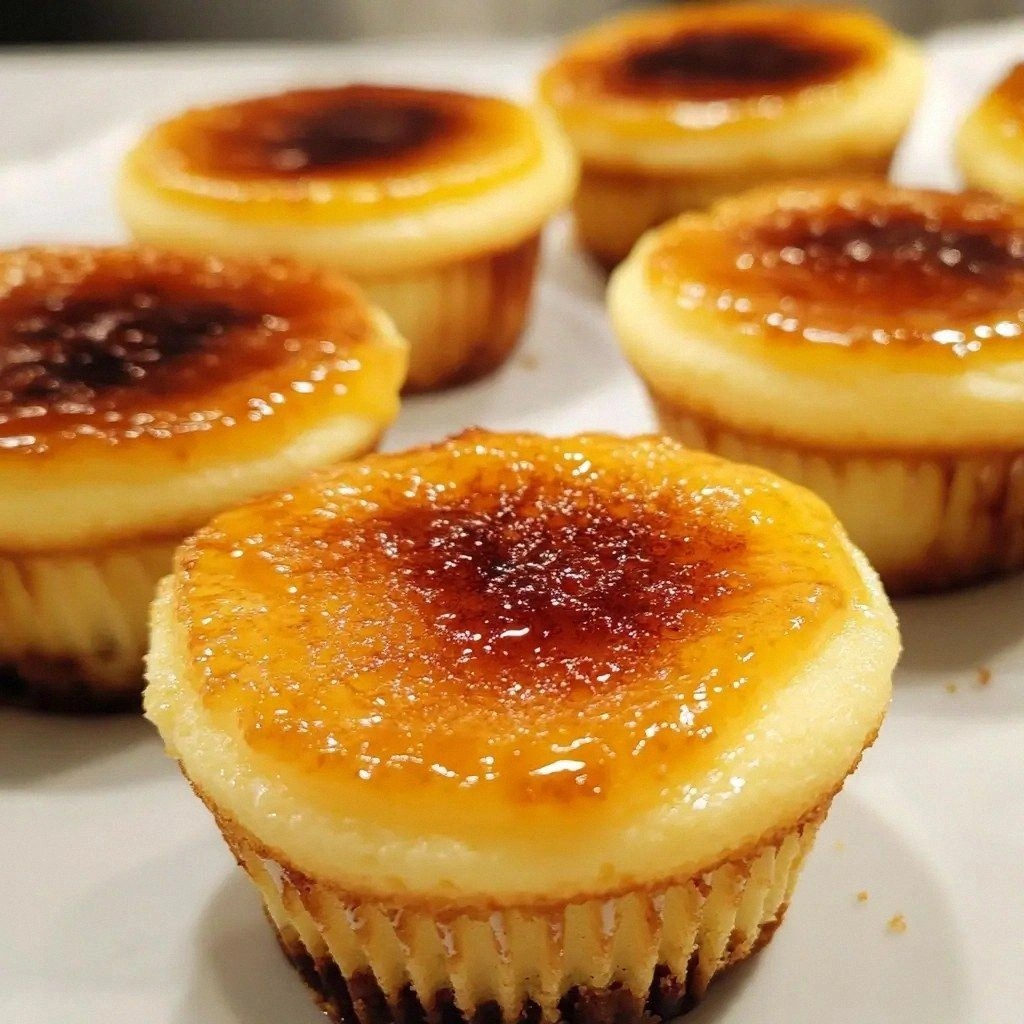
Picture this: a golden, caramelized sugar crust crackling under a soft, custard‑like filling that melts on your tongue like a whisper of vanilla and caramel. The aroma that fills the kitchen is a sweet, buttery blend that makes you close your eyes and sigh in anticipation. The texture is a delicate dance between a crisp top and a velvety center, a contrast that keeps you reaching for more. I dare you to taste this and not go back for seconds, because once you do, you’ll find yourself humming the recipe’s name long after the last bite. And if you’re skeptical, I’ll be honest—I ate half the batch before anyone else got a chance to try it.
What sets this version apart is not just the combination of flavors, but the meticulous attention to every detail: the precise ratio of sugar to cream, the timing of the caramelization, the choice of high‑quality cream cheese that gives the custard a luxurious mouthfeel, and the use of a simple, yet elegant, cupcake liner to keep the batter contained. Most recipes get this completely wrong by using too much sugar or overbaking the custard, resulting in a dry, rubbery center. Here, the balance is perfect, the custard is silky, and the brûlée layer is a crisp, caramelized crown that snaps like a thin ice sheet when you bite through it. Picture yourself pulling this out of the oven, the whole kitchen smelling incredible, and the guests’ eyes widening in delight. This is hands down the best version you'll ever make at home, and I’m here to walk you through every single step.
But before we dive into the method, let’s unpack why this recipe is a game‑changer. The secret lies in the layers of flavor, the texture play, and a few small but mighty hacks that elevate the entire experience. I’ll keep it short, but trust me—once you see the final product, you’ll understand why I’m so excited to share it. So, grab your apron, and let’s get started.
What Makes This Version Stand Out
- Flavor Fusion: The marriage of rich, creamy cheesecake with a caramelized brûlée topping creates a depth of flavor that feels like a dessert inside a dessert. The vanilla and caramel notes intertwine, leaving a lingering sweetness that keeps you coming back for more.
- Texture Contrast: The crisp, crackling sugar crust provides a satisfying snap, while the custard center offers a silky, melt‑in‑your‑mouth experience that feels indulgent without being heavy.
- Ingredient Quality: Using high‑quality cream cheese and fresh heavy cream gives the custard a luscious mouthfeel that can’t be achieved with lower‑grade substitutes.
- Make‑Ahead Friendly: The cupcakes can be assembled and frozen before baking, making them perfect for parties or last‑minute dessert needs.
- Visual Appeal: The golden brûlée top glistens like a crown, making each cupcake a showstopper that’s as pleasing to the eye as it is to the palate.
- Scalable: The recipe scales beautifully, thanks to the built‑in serving adjuster in the recipe card. Whether you’re making four or twenty, the proportions stay spot‑on.
Alright, let's break down exactly what goes into this masterpiece. And before we get into the nitty‑gritty, here’s a quick kitchen hack that will save you time and keep your batter smooth.
Inside the Ingredient List
The Flavor Base
The foundation of this cupcake is a buttery graham cracker crust that adds a subtle crunch and a sweet, nutty undertone. The crumbs, when mixed with melted butter, create a cohesive base that holds the custard in place. Skipping the crust will leave you with a flat, less structured dessert that won’t hold its shape. If you prefer a gluten‑free option, use almond flour or oat crackers instead; the flavor profile remains just as delightful.
Next, we have powdered sugar, which not only sweetens the crust but also balances the richness of the cream cheese. A pinch of sea salt is added to cut through the sweetness and enhance the caramel notes in the brûlée topping. The salt also helps the sugar crystallize properly, giving that coveted crack‑like finish.
For the custard, we rely on cream cheese as the star. Its high fat content gives the filling a luxurious, velvety texture that’s almost like a mousse. If you’re a vegan, replace the cream cheese with a plant‑based alternative, but be aware that the texture will change slightly. The key is to use a product that’s as close to the original as possible.
Heavy cream is the next critical ingredient. It adds richness and helps stabilize the custard during baking. Skipping it will result in a thinner, less cohesive filling that can separate. If you’re watching calories, a light cream can be used, but the outcome will be noticeably different.
Finally, vanilla extract brings everything together with its warm, aromatic profile. A single teaspoon is enough to elevate the entire dessert, so don’t be tempted to overdo it—too much vanilla can overpower the caramel.
The Texture Crew
The custard’s smoothness is achieved by blending the cream cheese, sugar, and eggs until the mixture is completely homogenous. The eggs act as a binder, ensuring the custard sets properly without cracking. If you whisk too vigorously, you risk incorporating too much air, which can cause the filling to rise unevenly and develop cracks.
The addition of heavy cream not only enriches the custard but also helps maintain a silky mouthfeel. The fat content prevents the mixture from becoming grainy, a common issue when using low‑fat dairy. If you’re using a non‑fat milk alternative, consider adding a tablespoon of cornstarch to thicken the custard.
When the custard is poured into the cupcake liners, it should sit evenly at the bottom, with a slight dome. This dome is crucial because it ensures the caramelized top will have a uniform thickness. A thin layer will burn quickly, while a thick layer may not caramelize evenly.
The brûlée topping is simply sugar, which, when exposed to high heat, caramelizes into a golden crust. The key is to sprinkle the sugar evenly across the custard surface, ensuring each cupcake receives the same amount of caramelized sweetness. A light dusting will give you a crisp top without overwhelming the custard.
Finally, the cupcake liners act as a barrier that keeps the custard from leaking onto the baking sheet. They also make it easier to remove the finished cupcakes without breaking the delicate crust. If you’re using a reusable silicone liner, make sure it’s lined with parchment for extra protection.
The Unexpected Star
The pièce de résistance of this recipe is the brûlée topping, which transforms a simple cheesecake into a showstopper. The sugar caramelizes into a hard, glassy shell that cracks when you bite through it, releasing a burst of caramel flavor that lingers on the palate. This contrast between the crisp top and the creamy base is what makes the cupcake unforgettable.
The brûlée layer also adds a visual element that elevates the dessert. When you light a kitchen torch or use a broiler, the sugar turns a deep amber, creating a golden crown that looks almost like a miniature dessert kingdom. The caramelization process also reduces the sugar’s intensity, giving it a smoother, less sharp sweetness.
If you’re feeling adventurous, you can add a sprinkle of sea salt on top of the sugar before caramelizing. This will enhance the caramel’s depth, giving the cupcake a slightly savory edge that complements the sweet custard. Just be sure to use a fine sea salt that dissolves quickly.
Another twist is to infuse the sugar with a hint of citrus zest before caramelizing. Lemon or orange zest adds a bright, zesty note that cuts through the richness of the custard. It’s a subtle change, but it transforms the entire flavor profile.
Everything’s prepped? Good. Let’s get into the real action and turn these ingredients into a masterpiece.
The Method — Step by Step
- Preheat your oven to 325°F (160°C) and line a mini muffin tin with cupcake liners. The low temperature ensures the custard sets gently without overcooking the exterior. This is the moment of truth where the foundation takes shape.
- In a medium bowl, combine 1 cup graham cracker crumbs with 1/4 cup melted butter and 1 cup powdered sugar. Stir until the mixture is evenly moist and clumps together when pressed. This crumb mixture should feel like a damp sand that holds its shape.
- Press the crumb mixture firmly into the bottom of each cupcake liner, creating a 1/4-inch thick base. Make sure the bases are level, as uneven bottoms can cause the custard to spill. A smooth base sets the stage for the creamy filling.
- In a separate bowl, beat 8 oz cream cheese, 1/4 cup granulated sugar, and 2 eggs until the mixture is pale and fluffy. Add 1/4 cup heavy cream, 1 tsp vanilla extract, and a pinch of salt. This custard mixture should be silky, with no lumps.
- Pour the custard over the crust in each liner, filling them about three‑quarters full. Tap the tin lightly to release any air bubbles and level the surface with a spatula. The custard should sit evenly on the crust, creating a dome.
- Place the tin in the preheated oven and bake for 25–30 minutes, or until the edges are set and the center still has a slight wobble. The custard will look glossy and slightly golden on top. Watch the timer closely—overbaking will dry out the filling.
- Remove the cupcakes from the oven and let them cool in the tin for 10 minutes before transferring to a wire rack. Cooling allows the custard to set fully, preventing cracks when you add the brûlée topping.
- While the cupcakes cool, sprinkle 1/4 cup sugar evenly over each one. Use a kitchen torch or a broiler set on high to caramelize the sugar. Keep a close eye on the sugar—once it turns amber, it’s ready for the final crunch.
That sizzle when it hits the pan? Absolute perfection. The caramelized sugar should crack when you bite through it, releasing a burst of caramel flavor that lingers on the palate. And that creamy custard? It should feel like a cloud of vanilla and caramel that melts in your mouth. The contrast is pure bliss.
That’s it — you did it. But hold on, I’ve got a few more tricks that will take this to another level. Keep reading for insider tips that will make your cupcakes even more spectacular.
Insider Tricks for Flawless Results
The Temperature Rule Nobody Follows
Many bakers assume that a higher oven temperature yields a better crust, but in this case, a gentle 325°F (160°C) is essential. The low heat allows the custard to set slowly, preventing cracks and ensuring a smooth finish. If you’re using a convection oven, reduce the temperature by 25°F to compensate for the fan’s efficiency. This subtle adjustment can be the difference between a flawless custard and a dry, uneven one.
Why Your Nose Knows Best
When the cupcakes are cooling, keep an eye on the scent. A subtle, buttery aroma is a sign that the custard is set. If you notice a sharp, sugary smell, the sugar may have caramelized too early. Trust your nose, and you’ll avoid over‑baking or under‑baking.
The 5‑Minute Rest That Changes Everything
After removing the cupcakes from the oven, let them rest in the tin for exactly 5 minutes before transferring to a wire rack. This short rest allows the custard to firm up slightly, preventing it from sliding off the liners. It also gives the caramelized top a chance to cool just enough to be handled without burning your fingers.
The Crust Crunch Factor
If you want a crunchier base, try adding a tablespoon of toasted almond slivers to the graham cracker mixture. The nuts add a delightful texture and a nutty flavor that pairs beautifully with the caramel. Just be sure to toast them until they’re golden but not burnt.
The Finish Line: A Light Dusting
Once the sugar has caramelized, lightly dust each cupcake with a pinch of sea salt. The salt enhances the caramel’s sweetness and adds a subtle complexity. Don’t overdo it; a few grains are all you need to elevate the flavor profile.
Creative Twists and Variations
This recipe is a playground. Here are some of my favorite ways to switch things up:
Chocolate Crème Brûlée Cupcake
Swap the vanilla extract for cocoa powder and add a tablespoon of espresso powder for depth. Use dark chocolate chips in the crust for an added chocolate bite. The result is a rich, mocha‑infused dessert that satisfies both chocolate and caramel lovers.
Lemon‑Zest Brûlée
Add a teaspoon of lemon zest to the custard mixture for a bright, citrusy lift. Replace half of the sugar in the crust with lemon sugar for a tangy crunch. The lemon’s acidity cuts through the richness, creating a balanced, refreshing dessert.
Almond Joy Cupcake
Incorporate shredded coconut into the crust and top the cupcakes with toasted coconut flakes after caramelizing. Add a splash of almond extract to the custard for a nutty undertone. This variation mimics the beloved candy bar in cupcake form.
Salted Caramel Swirl
Drizzle a thin line of salted caramel sauce through the custard before baking. This creates a marbled effect that’s both visually stunning and flavorfully indulgent. The caramel swirls add extra sweetness and a hint of sea salt.
Berry‑Infused Brûlée
Fold in a handful of fresh raspberries or blueberries into the custard before baking. The berries add a burst of tartness that balances the sweet brûlée. After baking, sprinkle a few whole berries on top for a pop of color.
Espresso‑Infused Brûlée
Add a shot of espresso to the custard for a coffee‑infused twist. The espresso’s bitterness complements the caramel, creating a complex flavor profile. This variation is perfect for coffee lovers looking for a dessert with a caffeine kick.
Storing and Bringing It Back to Life
Fridge Storage
Store the cupcakes in an airtight container in the refrigerator for up to three days. The custard will firm up, so let them sit at room temperature for 10–15 minutes before serving to bring back the silky texture. Avoid freezing the caramelized top; it will lose its crispness.
Freezer Friendly
If you need to freeze the cupcakes, wrap each one individually in plastic wrap and place them in a freezer bag. Freeze for up to two weeks. When ready to serve, thaw at room temperature for 30 minutes and then warm them gently under a broiler for 1–2 minutes to revive the caramelized top.
Best Reheating Method
To reheat frozen cupcakes, preheat your oven to 350°F (175°C). Place the cupcakes on a baking sheet and warm for 10 minutes. For a quick fix, add a splash of water to the custard before reheating; the steam will help the filling stay moist and prevent it from drying out.