Picture this: I was halfway through a week‑long bake‑off, my kitchen smelling like burnt sugar and disappointment, when my friend dared me to make the simplest dish that would still blow everyone’s minds. I laughed, because I knew the only thing that could do that was fingerling potatoes, the tiny, heart‑shaped gems that look like miniature sunflowers. I grabbed a bag, tossed them into a bowl, and the moment they hit the air, the scent of fresh earth and possibility filled the room. I was already thinking of olive oil, garlic, rosemary, and thyme, because that is the secret sauce that turns a humble tuber into a culinary superstar. I told myself, this will be the dish that turns a bland dinner into a conversation starter, and I was right. The only thing missing was the technique that makes the edges crisp while keeping the inside fluffy. I was ready to show the world how to do it, and I could already hear the gasps. So I rolled up my sleeves and started the experiment. My kitchen became a laboratory of flavor, and the stakes were higher than any competition. By the end of that night, I had a dish that would become the foundation of every dinner I host.
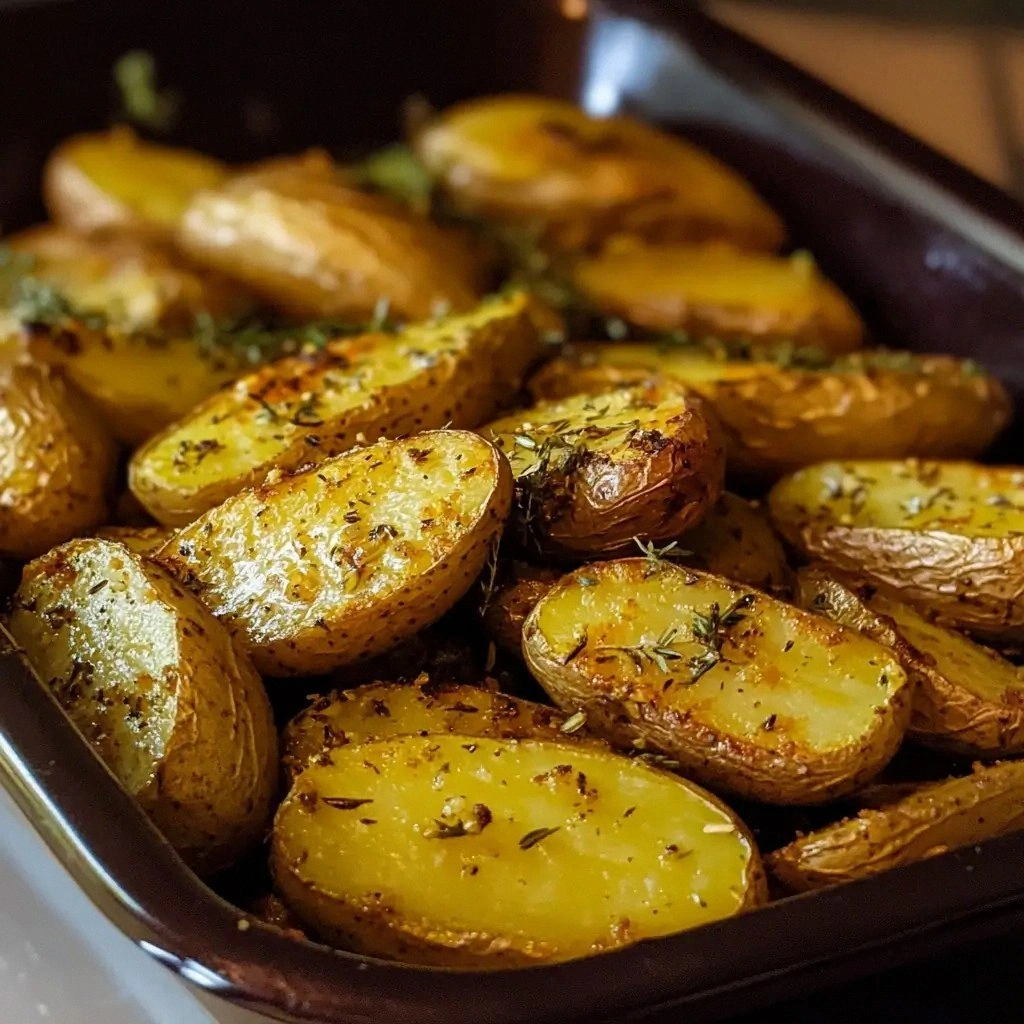
Imagine the color of those potatoes—golden‑brown, speckled with tiny flecks of rosemary that look like specks of stardust. The sound of the skillet sizzling as oil meets the potatoes is like a drumbeat of anticipation. The aroma that rises as they roast is a heady mix of garlic, herbs, and a faint sweetness from the caramelizing starches. The texture is a paradox: a crunchy shell that gives way to a cloud‑soft interior that melts in your mouth. The first bite releases a burst of savory, almost buttery flavor that lingers long after the last crumb. The heat from the oven creates a subtle char that adds depth without overpowering the natural sweetness of the tuber. The dish feels like a hug in a bowl, comforting yet sophisticated. It’s the kind of meal that can be plated on a simple plate or served in a rustic wooden basket. Every element—sight, sound, smell, taste, and feel—works in harmony to elevate a basic ingredient into an unforgettable experience. This is why I’m so passionate about sharing the exact version that made my kitchen roar with applause.
This version stands out because it balances simplicity with depth, using only a handful of ingredients that each play a vital role. The fingerling potatoes are chosen for their natural sweetness and firm texture, which holds up beautifully during roasting. Olive oil is the medium that carries the herbs and creates a glossy, caramelized finish. Garlic adds a punch of umami that cuts through the richness of the oil, while rosemary provides a piney, aromatic note that echoes the forest. Thyme offers a subtle earthiness that rounds out the flavor profile, making it complex without being overwhelming. The key technique—spreading the potatoes in a single layer and rotating them halfway through—ensures even browning and prevents steaming. The result is a dish that is both visually stunning and texturally satisfying, with a crisp exterior that shatters like thin ice and a tender core that melts like butter. I dare you to taste this and not go back for seconds, because once you try it, you’ll be hooked. This is hands down the best version you'll ever make at home, and I’m thrilled to share every detail with you.
Most recipes get this completely wrong, either by overcrowding the pan or by neglecting the herb balance, and the outcome is either soggy or bland. What makes this method work is the precise timing and the use of fresh herbs, which infuse the oil and potatoes with bright, aromatic flavors that cling to every bite. The secret twist? A splash of lemon juice at the end that brightens the dish and cuts through the oiliness, giving it a fresh, lively finish. Picture yourself pulling this out of the oven, the whole kitchen smelling incredible, the golden potatoes glistening like tiny suns on a tray. The aroma will make your guests line up for seconds, then minutes, then hours. I’ll be honest—I ate half the batch before anyone else got to try it, because the taste was just too good to wait. And now, I’m going to walk you through every single step—by the end, you’ll wonder how you ever made it any other way.
What Makes This Version Stand Out
- Flavor: The combination of garlic, rosemary, and thyme creates a layered, herbaceous profile that elevates the natural sweetness of the potatoes. This depth of flavor turns a simple side into a showstopper at any dinner table. The herbs release their oils during roasting, forming a fragrant glaze that clings to each bite.
- Texture: By roasting the potatoes in a single layer and rotating them halfway, you achieve a crisp, caramelized exterior while preserving a fluffy interior. The result is a satisfying crunch that shatters like thin ice, followed by a tender core that melts in your mouth. This contrast is what keeps guests coming back for more.
- Visual Appeal: The golden-brown speckles of rosemary and thyme give the dish a rustic, almost artistic look that makes it Instagram‑ready. The vibrant color contrast between the potatoes and the herbs creates an appetizing presentation that feels both humble and sophisticated. Even a plain plate becomes a canvas.
- Ease of Preparation: With just six ingredients and a single pan, this recipe is a breeze to execute, even for novice cooks. The simplicity of the method means you can focus on timing and flavor rather than juggling multiple dishes. It’s a perfect solution for busy weeknights.
- Versatility: The base recipe can be easily adapted for dietary restrictions or flavor preferences, making it suitable for vegetarians, vegans, or those with gluten concerns. Swap olive oil for avocado oil or use a low‑sodium salt to accommodate health‑conscious diners. The core flavors remain intact.
- Make‑Ahead Friendly: The roasted potatoes can be prepared up to 24 hours in advance and reheated without losing their crispness. This feature makes it an ideal choice for potlucks, parties, or meal‑prepping sessions. The dish stays fresh and flavorful, saving you time on the day of service.
Inside the Ingredient List
The Flavor Base
Fingerling potatoes are the star of this dish, chosen for their sweet, buttery flesh that crisps beautifully in the oven. Their small size ensures even roasting, while their thin skin adds a subtle chew. If you prefer a firmer bite, pick slightly larger potatoes; if you want extra sweetness, go for new‑crop varieties. The flavor base is simple yet powerful, relying on the natural taste of the potatoes as the foundation.
The Texture Crew
Olive oil is the vehicle that carries the herbs and creates a glossy, caramelized finish. A high‑smoke‑point oil like extra‑virgin olive oil works best because it withstands the high oven temperature without burning. The oil also helps the herbs adhere to the potatoes, forming a uniform coating that browns evenly. If you’re short on oil, a light spray can suffice, but you’ll lose some of the richness.
The Unexpected Star
Fresh rosemary and thyme bring a forest‑like aroma that elevates the dish beyond plain roasted potatoes. The piney scent of rosemary mingles with the earthiness of thyme, creating a complex bouquet. If you’re not a fan of rosemary’s bite, you can substitute sage or oregano for a milder flavor. The herbs also provide antioxidants, adding a nutritional boost.
The Final Flourish
A splash of fresh lemon juice at the end brightens the entire plate, cutting through the oiliness and giving the dish a lively finish. The acidity also helps to balance the savory notes, making the potatoes feel lighter on the palate. If you prefer a sweeter finish, a drizzle of honey or maple syrup can replace the lemon. The final flourish is optional but highly recommended for a polished result.
Everything's prepped? Good. Let's get into the real action.
The Method — Step by Step
- Preheat oven to 425°F (220°C) and line a baking sheet with parchment paper. The high temperature is crucial for crisp edges. Make sure the sheet is flat so the potatoes can roast evenly. Let the oven heat up fully before placing the tray inside. This step sets the stage for a perfect roast.
- While the oven is heating, rinse the fingerling potatoes under cold water to remove any dirt. Pat them dry with a clean towel; moisture will prevent crisping. Trim any bruised ends if necessary. This simple prep ensures a clean, even roast. Keep them in a bowl until the next step.
- In a large mixing bowl, combine the olive oil, minced garlic, chopped rosemary, and thyme. Toss the potatoes in the mixture until each piece is coated. This herb‑oil blend infuses the potatoes with aromatic oils that caramelize in the oven. Make sure every potato is evenly coated; otherwise, some will be dry while others are oily.
Kitchen Hack: Use a silicone spatula to toss the potatoes—its flexible shape makes it easier to coat every corner without breaking the tubers.
- Spread the coated potatoes in a single layer on the prepared baking sheet. Avoid overcrowding; the potatoes need space to roast, not steam. Use a spatula to push them into an even row. If you have a large sheet, you can do two layers, but be sure to rotate them later. This arrangement is key for that desirable crispness.
- Roast for 20 minutes, then flip each potato with a spatula and return to the sheet. This step ensures even browning on both sides. The flipping also helps the herbs re‑distribute over the surface. While flipping, you can sprinkle a pinch of sea salt over the potatoes for extra flavor.
Kitchen Hack: Use a pizza peel or a wide spatula to flip the potatoes quickly; this keeps the heat on and prevents sticking.
- Continue roasting for an additional 10–12 minutes until the edges are golden‑brown and the potatoes are fork‑tender. Watch out: if the sheet gets too crowded, the potatoes will steam and stay soft. Keep an eye on the color; they should look like sun‑kissed gold. This is the moment of truth—you can taste a small piece to gauge doneness.
Watch Out: Avoid opening the oven door too often; each opening lets heat escape, extending the cooking time and compromising crispness.
- Remove the potatoes from the oven and immediately drizzle a splash of fresh lemon juice over the hot surface. The acidity brightens the dish and cuts through the oil, giving it a fresh, lively finish. Let the potatoes rest for a minute so the lemon can settle. This final touch elevates the flavor profile and adds a subtle zing.
- Serve hot, garnished with extra rosemary sprigs if desired. The potatoes can be paired with a creamy sauce or a simple vinaigrette, but the best flavor comes from eating them as they are. This dish is versatile enough to be a side or a main, depending on portion size. The aroma alone will convince anyone to indulge.
Kitchen Hack: If you’re short on time, use a convection setting to reduce roasting time by 5–10 minutes while maintaining crispness.
Insider Tricks for Flawless Results
The Temperature Rule Nobody Follows
Many people roast at 400°F, but 425°F gives the potatoes a better caramelization without drying them out. The higher heat creates a Maillard reaction that develops the golden crust. Keep the oven door closed to maintain the temperature; a single opening can drop the heat by 20°F.
Why Your Nose Knows Best
Your nose is a reliable indicator of doneness. When the potatoes smell buttery and slightly toasted, they’re ready. If the aroma is still raw, give them a few more minutes. This sensory cue saves you from overcooking.
The 5-Minute Rest That Changes Everything
Letting the potatoes rest on the sheet for 5 minutes after roasting allows the steam to escape and the crust to set. During this pause, the flavors meld, and the edges stay crisp. A friend once skipped this step and ended up with soggy potatoes—lesson learned.
The Secret of Even Browning
Rotate the sheet halfway through the cooking time. This simple motion ensures that no potato sits in the same spot, preventing uneven browning. If you don’t have a rotating sheet, flip the potatoes with a spatula instead.
The Quick Cooling Trick
After roasting, place the sheet on a wire rack for a few minutes. The airflow removes excess moisture, keeping the surface crunchy. This trick is especially useful if you’re serving the potatoes immediately at a gathering.
Creative Twists and Variations
Smoky Chipotle Glaze
Swap the lemon juice for a glaze made with chipotle in adobo, honey, and a touch of smoked paprika. The smoky heat pairs beautifully with the earthy potatoes, creating a bold, adventurous flavor profile. This variation is perfect for a summer barbecue or a hearty dinner.
Mediterranean Herb Blend
Add oregano, basil, and a squeeze of fresh lemon zest to the herb mixture. The Mediterranean herbs give the dish a bright, aromatic character that feels summery and light. Serve with a side of tzatziki for a complete Mediterranean experience.
Sweet & Spicy Sriracha
Incorporate a tablespoon of sriracha and a drizzle of maple syrup into the oil before roasting. The sweet and spicy combination creates a flavor explosion that satisfies both sweet and spicy cravings. This version is a crowd‑pleaser at parties.
Creamy Parmesan Finish
After roasting, toss the potatoes with grated Parmesan and a splash of heavy cream. The cheese adds a silky richness that coats every bite, while the cream softens the edges slightly. This indulgent twist is ideal for a cozy dinner.
Vegan Coconut Curry
Replace olive oil with coconut oil and sprinkle curry powder over the potatoes before roasting. The coconut adds a tropical note, and the curry brings warmth and depth. This vegan-friendly option is both flavorful and comforting.
Storing and Bringing It Back to Life
Fridge Storage
Cool the roasted potatoes completely, then store them in an airtight container in the refrigerator for up to 3 days. The crispness may soften slightly, but they’ll still taste great. Keep them on a paper towel to absorb excess moisture.
Freezer Friendly
Place the cooled potatoes in a freezer‑safe bag, removing as much air as possible. They can be stored for up to 2 months. When ready to eat, thaw them overnight in the fridge before reheating.
Best Reheating Method
Reheat in a 375°F oven for 10–12 minutes, or in a skillet over medium heat. Add a splash of water or broth to the pan, cover for 2 minutes, then remove the lid to let steam evaporate. This technique restores the crispness and keeps the interior moist.