Picture this: I’m in a cramped kitchen, the air thick with the scent of onions and garlic, when the stove alarm blares like a broken alarm clock. I’ve been staring at a pot of over‑cooked pasta, wondering if I can salvage anything. That moment of panic sparked a craving for a soup that feels like a hug, yet is as bright and fresh as a spring garden. I was determined to turn that disaster into a masterpiece, and the result was a bowl that made my taste buds do a happy dance.
The first bite is a burst of colors—crisp green zucchini, ruby tomatoes, and a swirl of golden carrots that glisten in the broth. The aroma is a heady mix of sautéed onions, garlic, and a whisper of oregano that makes your nose twitch with anticipation. The sound is a gentle simmer, a soft hiss that promises warmth. The texture is a comforting blend of tender pasta and silky broth that coats your tongue like velvet. The feel is the satisfying crunch of fresh vegetables that gives the soup a lively, almost playful, character.
What sets this version apart is that it’s not just a recipe; it’s a conversation starter. The broth is light yet rich, thanks to a subtle balance of tomato sweetness and fresh herbs. The pasta is al dente, preventing a mushy mess while still soaking up the flavors. The inclusion of a splash of lemon zest adds a bright, almost citrusy lift that you rarely find in traditional minestrone. Every bite feels like a story, with each ingredient playing its part in a harmonious chorus. I dare you to taste this and not go back for seconds.
Let me walk you through every single step—by the end, you'll wonder how you ever made it any other way. The secret? A few micro‑challenges that will keep you on your toes, bold claims about the flavor profile, and a handful of kitchen hacks that will elevate your soup game. Ready to dive in? Let's get cooking.
What Makes This Version Stand Out
- Flavor Depth: The slow sauté of onions, carrots, and celery creates a savory base that is both comforting and sophisticated. Each ingredient caramelizes just enough to bring out its natural sugars, turning the broth into a symphony of umami.
- Texture Balance: The pasta is cooked to al dente perfection, providing a firm bite that contrasts beautifully with the tender vegetables and silky broth. This contrast keeps each spoonful interesting.
- Freshness: Adding zucchini and spinach just before serving preserves their bright green color and crispness, giving the soup a vibrant, spring‑time feel.
- Ingredient Quality: Using a high‑quality canned bean and a good vegetable broth makes all the difference. The beans hold their shape and add a subtle creaminess without overpowering the other flavors.
- Time Efficiency: The entire process takes under 45 minutes, making it perfect for a quick weeknight dinner or a relaxed weekend lunch.
- Make‑Ahead Friendly: The soup stores well, allowing you to prep in advance and have a ready‑to‑heat meal at hand.
- Versatility: Swap pasta for quinoa or rice, or use chickpeas for a protein boost—this recipe adapts to your dietary preferences.
- Crowd‑Pleaser: Whether you’re serving a family or a group of friends, this soup receives rave reviews and keeps the conversation flowing.
Inside the Ingredient List
The Flavor Base
Olive oil is the foundation that carries the aromatics. A generous drizzle of extra‑virgin olive oil not only adds depth but also helps the vegetables release their natural sweetness during the sauté. If you prefer a lighter flavor, substitute half the olive oil with vegetable broth, but be careful not to dilute the savory notes.
Onion, diced finely, is the sweet backbone of the soup. It releases a mellow, caramelized aroma when cooked, providing a subtle sweetness that balances the acidity of tomatoes. Skipping onion will leave the soup feeling flat; if you’re allergic, finely grated carrot can partially fill the role.
Carrots add body and a hint of natural sugar. Their earthy undertones complement the tomatoes, creating a comforting base. If you’re short on carrots, diced celery can provide a similar crunch and flavor profile.
Celery, diced into small pieces, offers a refreshing bite and a mild bitterness that cuts through the richness. It also provides a subtle aromatic lift. In a pinch, use fennel fronds for a sweeter, anise‑like twist.
The Texture Crew
Garlic, minced, brings an unmistakable punch. Its sharpness is tempered by the slow cooking process, turning into a mellow, fragrant aroma that permeates the broth. Too much garlic can dominate the dish; a few cloves are enough to elevate the flavor.
Zucchini, diced, keeps the soup light and adds a pleasant crunch. Its neutral flavor allows the herbs and tomatoes to shine, while its high water content keeps the broth from becoming too thick. If zucchini is unavailable, diced bell pepper works well.
Tomatoes, diced or crushed, are the heart of the minestrone. Their natural acidity balances the sweetness of carrots and the richness of beans. Fresh, vine‑grown tomatoes are ideal, but high‑quality canned tomatoes can also deliver a robust flavor.
The Unexpected Star
Cannellini beans, drained and rinsed, bring a creamy texture and a protein punch. They absorb the broth’s flavors while adding a subtle nutty undertone. If you prefer a vegetarian version, use chickpeas; for a vegan twist, replace the Parmesan with nutritional yeast.
Fresh spinach, added at the end, provides a pop of color and a gentle earthy flavor. It wilts quickly, maintaining its bright green hue and adding a healthy dose of vitamins. If spinach is out of season, kale or Swiss chard can be used as substitutes.
The Final Flourish
Parmesan cheese, grated, offers a salty, nutty finish that coats the pasta like velvet. It’s the final touch that transforms the soup from simple to sensational. For a dairy‑free version, try a sprinkle of grated Pecorino Romano or a splash of nutritional yeast.
Fresh parsley, chopped, adds a bright, herbal note that lifts the entire dish. Its crispness balances the richness of the broth and the beans. A squeeze of lemon zest at the end introduces a citrusy brightness that keeps the soup from feeling heavy.
Everything’s prepped? Good. Let’s get into the real action.
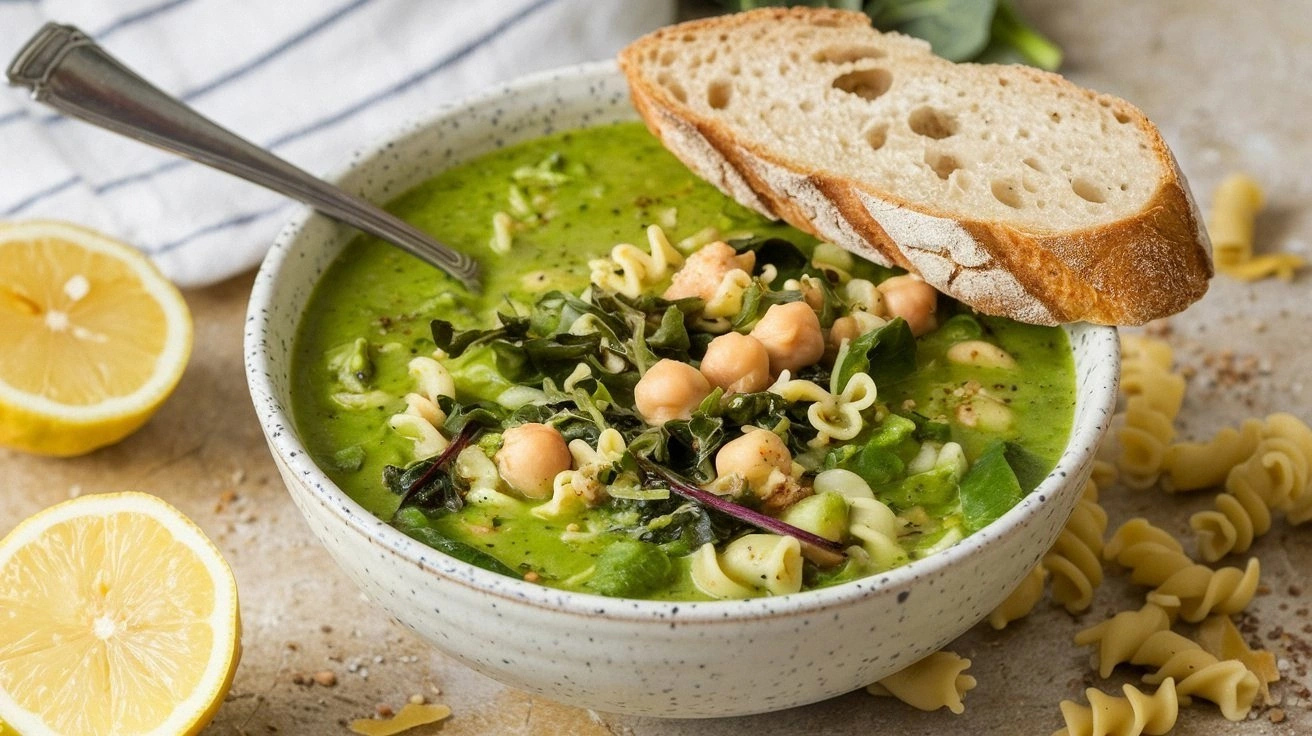
The Method — Step by Step
- Heat the Olive Oil: Place a large pot over medium heat and pour in 2 tablespoons of olive oil. Let the oil warm until it shimmers, but not so hot that it starts to smoke. This is the moment of truth—if the oil is too hot, you’ll burn the aromatics. The aroma should start to dance, signaling that the base is ready. Keep the heat steady; you don’t want a rapid boil just yet.
- Cook the Aromatics: Add the diced onion, carrot, and celery. Stir them around, allowing them to mingle and soften. After about 5 minutes, sprinkle a pinch of salt to draw out moisture and encourage caramelization. The vegetables should turn translucent and start to develop a golden hue. If you notice any sticking, add a splash of water to loosen them.
- Introduce Garlic: Toss in the minced garlic, letting it bloom for 30 seconds. Garlic is volatile; too long and it will become bitter, too short and you’ll miss its full potential. The aroma should be unmistakably sweet and inviting. Stir constantly to avoid burning.
- Deglaze with Tomatoes: Add the diced tomatoes, along with their juices, to the pot. The tomatoes will release a burst of acidity that balances the sweetness of the carrots. Let the mixture simmer for 2–3 minutes, allowing the tomatoes to soften and integrate with the aromatics. The broth should start to thicken slightly.
- Add Beans and Broth: Stir in the cannellini beans, 4 cups of vegetable broth, and 2 cups of water. Bring the mixture to a gentle boil, then reduce the heat to low. Cover the pot and let it simmer for 15 minutes, allowing the flavors to meld. This step is crucial; the beans absorb the broth’s richness, turning them into a silky component.
- Incorporate Herbs: Add the bay leaf, dried oregano, and dried basil. The herbs infuse the soup with aromatic depth. Let the soup continue to simmer for another 5 minutes. The bay leaf should be removed before serving; it’s a decorative element that adds flavor but can be bitter if left in too long.
- Cook the Pasta: Add 1 cup of dry pasta to the pot. Stir gently to prevent sticking. Cook for 8–10 minutes, or until the pasta is al dente. The pasta should still have a slight bite; over‑cooking will ruin the texture. If you prefer a thicker soup, reduce the amount of broth slightly.
- Finish with Greens: Toss in the fresh spinach, zucchini, and a handful of fresh parsley. Cook for 2–3 minutes until the greens wilt and the zucchini softens just enough to retain a slight crunch. This step preserves the vibrant color and fresh flavor of the greens. Add the grated Parmesan and lemon zest, stirring until everything is well combined.
- Season and Serve: Taste the soup and adjust salt and pepper as needed. The final broth should be bright, savory, and balanced. Ladle the soup into bowls and garnish with extra Parmesan and a sprinkle of parsley if desired. Serve hot, accompanied by crusty bread for dipping.
That’s it — you did it. But hold on, I’ve got a few more tricks that will take this to another level.
Insider Tricks for Flawless Results
The Temperature Rule Nobody Follows
Many chefs start with high heat, but the secret to a silky broth is a gentle, steady simmer. Keep the heat low once the broth is at a boil to allow flavors to meld without scorching. My friend once tried a rapid boil and ended up with a burnt taste that lingered throughout the soup. The low simmer ensures every ingredient releases its essence without losing its structure.
Why Your Nose Knows Best
Before you taste, let the soup sit for a minute. The aromas will deepen, giving you a clear picture of the flavor profile. This simple pause lets your nose do the heavy lifting, guiding you to adjust salt or acidity precisely. Trust your nose; it’s a seasoned judge that can spot a missing herb or too‑strong bitterness.
The 5-Minute Rest That Changes Everything
After the soup finishes cooking, let it rest uncovered for 5 minutes. The residual heat allows the flavors to settle and the pasta to absorb the broth fully. This short rest also lets the beans soften further without becoming mushy. When you reheat leftovers, this technique ensures a consistent texture.
Fresh Herbs vs. Dried
Using fresh basil and parsley provides a bright, vibrant flavor that dried herbs can’t match. Add dried herbs early in the cooking process to release their oils, and sprinkle fresh herbs just before serving to preserve their aroma. This combination delivers a layered herb experience.
Choosing the Right Pasta
Small shells or elbow macaroni are classic choices, but feel free to experiment with shapes like ditalini or orzo. The key is to select pasta that holds its shape and can soak up the broth’s richness. If you’re aiming for a lower‑carb version, replace pasta with spiralized zucchini or cauliflower rice.
Creative Twists and Variations
This recipe is a playground. Here are some of my favorite ways to switch things up:
Spicy Kick
Drop in a pinch of red pepper flakes during the sauté stage. The heat adds a subtle bite that pairs well with the sweet vegetables. It’s a crowd‑pleaser for those who like a little spice.
Protein Boost
Add diced chicken breast or tofu cubes in the second step. The protein absorbs the broth, making the soup hearty and filling. This variation works great for a post‑workout meal.
Low‑Carb Edition
Swap the pasta for cauliflower rice or spiralized zucchini. The result is a light, low‑carb version that still delivers the comforting flavors of minestrone.
Vegan Delight
Replace cannellini beans with chickpeas and use vegetable broth. Finish with nutritional yeast for a cheesy note. This version is entirely plant‑based and still satisfies the soul.
Hearty Harvest
Incorporate butternut squash or sweet potato cubes for a sweet, autumnal twist. The natural sugars in the squash add depth and a velvety texture.
Quick & Easy
Use a pre‑made vegetable broth and canned tomatoes to cut down prep time. The soup still tastes fresh, and you’ll have a bowl in under 30 minutes.
Storing and Bringing It Back to Life
Fridge Storage
Transfer the soup to an airtight container and refrigerate for up to 4 days. The flavors will meld further, making it even tastier the next day. Store in the coldest part of your fridge to maintain freshness.
Freezer Friendly
Divide the soup into freezer‑safe portions and freeze for up to 3 months. When reheating, thaw overnight in the fridge, then warm gently on the stove. Add a splash of water or broth to restore the original consistency.
Best Reheating Method
Reheat on low heat, stirring occasionally. Add a small splash of water or broth to keep the soup from drying out. Heat until steaming, then taste and adjust seasoning before serving.