Picture this: I was in a rush for brunch, the timer on the oven was ticking like a metronome, and the last thing I wanted was a dry, crumbly cake. I had a handful of fresh strawberries, a jar of sour cream, and a dream of a silky pound cake. That night, I pulled out the pantry, whisked, and discovered that the combination of sour cream and butter could make even the simplest batter feel like a cloud. I dared myself to create a cake that would make my friends ask for seconds before they even tasted it. And now, I’m going to walk you through every single step — by the end, you’ll wonder how you ever made it any other way.
The kitchen smelled like warm butter and sweet fruit, the sound of the mixer humming a steady rhythm, and the sight of the flour dusting the counter like a fine snowfall. As I poured the strawberries, their bright red hue popped against the pale batter, and the faint scent of vanilla drifted through the air. The first bite was a splash of sweet, tangy fruit against a velvety crumb that practically melted in my mouth. The texture was so moist that it left a lingering, buttery aftertaste that made my tongue swoon. I could almost hear the oven sigh as the cake settled into its golden crust.
What makes this version stand out is not just the ingredients, but the way they work together. The sour cream keeps the crumb tender, the butter adds richness, and the strawberries bring a burst of natural sweetness that cuts through the heaviness. I’ve taken the classic pound cake and turned it into a layered experience, where each bite reveals a new facet of flavor. The batter is so dense that it holds the fruit without becoming soggy, and the finish is a delicate, almost airy finish that makes you want to take a second slice. If you’ve ever tried a pound cake that felt like a brick, this one will feel like a cloud.
I also added a trick that most recipes skip: a splash of milk or heavy cream right before baking. This tiny addition lifts the batter’s moisture content and gives the cake a subtle, glossy sheen. The result is a cake that looks as good as it tastes, with a crust that cracks just enough to reveal the soft interior. I dare you to taste this and not go back for seconds. The combination of fresh fruit and creamy batter is a match made in culinary heaven.
Picture yourself pulling this out of the oven, the whole kitchen smelling incredible, and the first bite sending a wave of joy through your senses. The anticipation builds as the timer dings, the cake cools, and you slice a piece that looks like a work of art. If you’ve ever struggled to get a pound cake moist, you’re not alone — and I’ve got the fix. I’ll be honest, I ate half the batch before anyone else got to try it. Let me walk you through every single step — by the end, you’ll wonder how you ever made it any other way.
What Makes This Version Stand Out
- Taste: The combination of sour cream and fresh strawberries creates a layered flavor profile that is both sweet and tangy. The vanilla notes deepen the overall sweetness, making each bite feel balanced and satisfying.
- Texture: The batter’s density keeps the cake moist without becoming gummy. The crumb is fine and tender, with a slight give that melts in your mouth.
- Simplicity: Despite its complex flavor, the recipe uses only pantry staples and fresh fruit. No exotic ingredients or complicated techniques are required.
- Uniqueness: Adding a splash of milk or heavy cream just before baking gives the cake a subtle sheen and a light, airy finish that most pound cakes lack.
- Crowd Reaction: Friends who taste this cake often ask for the recipe after the first slice. The cake’s moistness and fruity brightness make it a crowd-pleaser.
- Ingredient Quality: Using unsalted butter and fresh strawberries ensures that the flavors shine through without being masked by excess salt or artificial additives.
- Cooking Method: The batter is folded gently to preserve its airy structure, and the cake is baked at a moderate temperature to prevent over-browning.
- Make‑ahead Potential: The cake can be refrigerated up to a week or frozen for longer storage, making it a versatile dessert for any occasion.
Inside the Ingredient List
The Flavor Base
Cake flour is the backbone of this pound cake, providing a tender crumb that holds the batter together without making it dense. The 3 cups of cake flour create a fine, powdery texture that absorbs the liquid ingredients smoothly. If you skip the flour, the cake will collapse and become uneven. For a richer flavor, you can substitute half of the flour with whole wheat flour, but the texture will change slightly.
The Texture Crew
Unsalted butter and granulated sugar are the classic duo that creates the cake’s signature buttery sweetness. The 1 cup of butter, softened at room temperature, melts into the batter, giving it a silky mouthfeel. The 2.5 cups of sugar dissolve into the butter, forming a smooth base that allows the eggs to incorporate easily. A pinch of salt (1/2 tsp) balances the sweetness and brings out the other flavors.
The Unexpected Star
Sour cream is the secret weapon that keeps the cake moist and tender. The 1 cup of sour cream adds a subtle tang that cuts through the richness of the butter and sugar. It also reacts with the baking powder to create tiny air pockets, giving the cake a light, almost fluffy texture. If you can’t find sour cream, Greek yogurt can be a suitable substitute, but it may alter the flavor slightly.
The Final Flourish
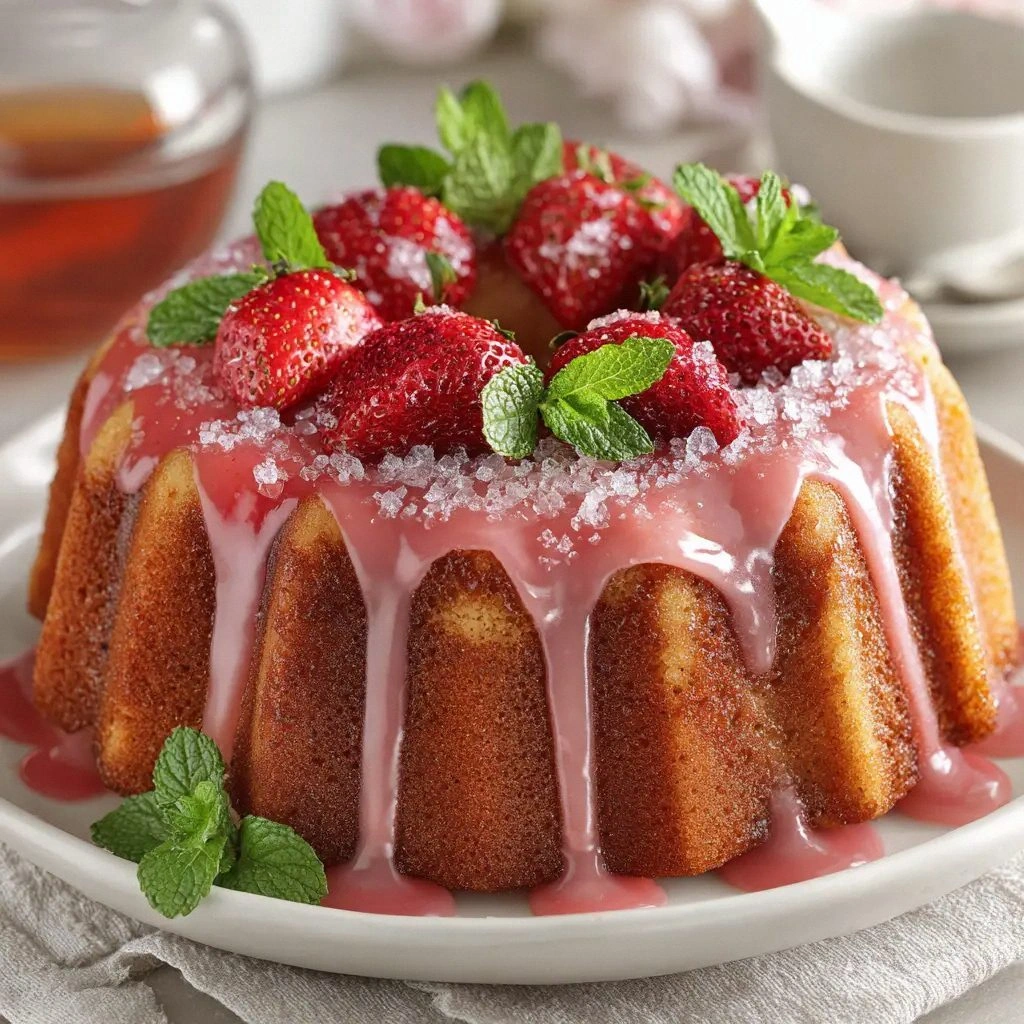
Fresh strawberries bring a burst of natural sweetness and color. The 2 cups of sliced strawberries are folded into the batter just before baking, allowing them to caramelize slightly while retaining their juiciness. Powdered sugar is used for the glaze, which adds a sweet finish and a glossy sheen. The final touch is a splash of milk or heavy cream, which lifts the batter’s moisture content and gives the cake a subtle, glossy finish.
Everything's prepped? Good. Let's get into the real action.
The Method — Step by Step
- Preheat your oven to 350°F (175°C) and grease a 9×5-inch loaf pan. Line the bottom with parchment paper for a clean release. This step ensures a uniform bake and prevents sticking. If you skip it, you’ll spend extra time scrubbing the pan later.
- In a large bowl, cream the softened butter and granulated sugar until light and fluffy. Use a stand mixer on medium speed for 3–4 minutes. The batter should look pale and airy. This is the moment of truth; if it’s too dense, your cake will be heavy.
- Add the eggs one at a time, beating well after each addition. The mixture should stay smooth and glossy. The eggs bind everything together and provide structure. A quick test: if you tilt the bowl, the batter should not slide off.
- Whisk the cake flour, baking powder, and salt together in a separate bowl. Sift the dry mixture into the wet mixture in two additions, folding gently after each addition. This keeps the batter light and prevents gluten overdevelopment. Watch for any lumps; they’ll make the crumb uneven.
- Fold in the sour cream and vanilla extract (2 tsp) until just incorporated. The batter will look a little looser, but that’s normal. The sour cream adds moisture and the vanilla deepens the flavor. If you’re nervous, give a quick taste; it should be sweet with a hint of tang.
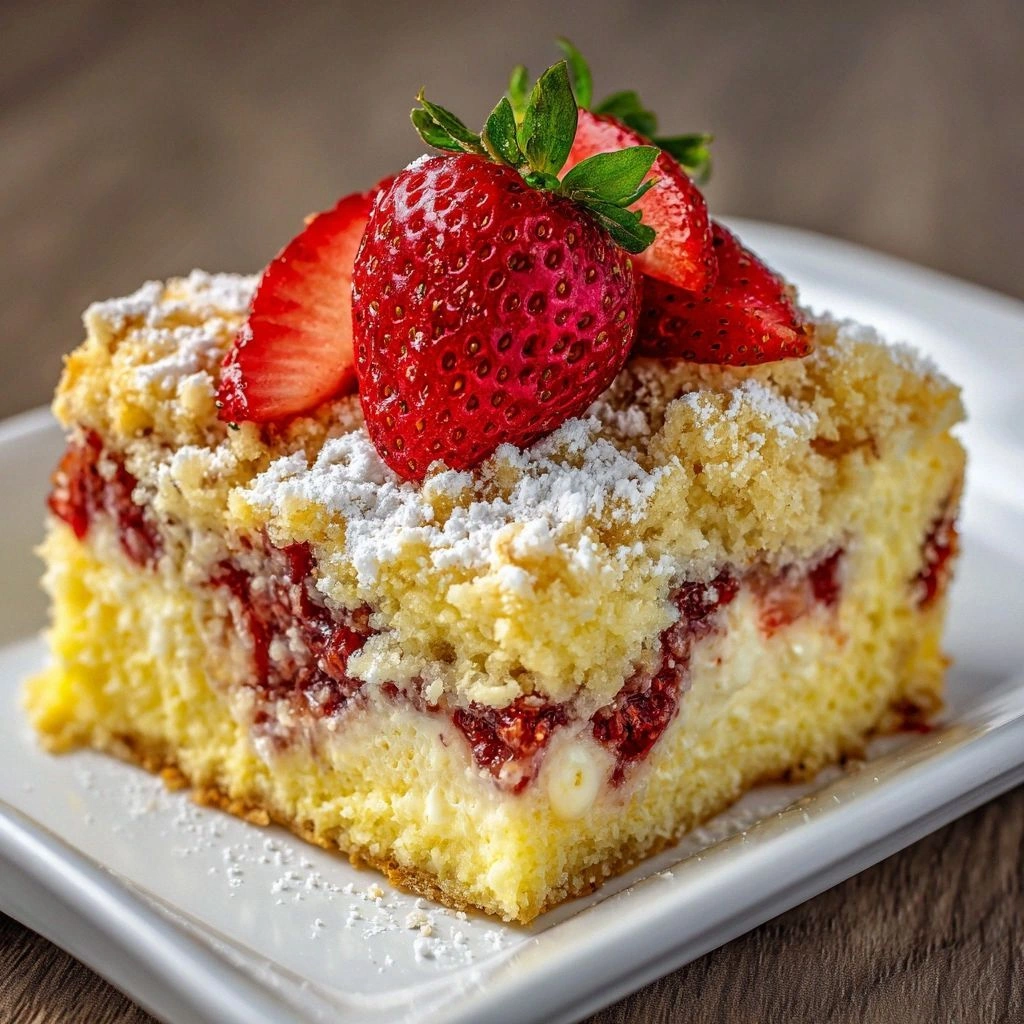
- Add the sliced strawberries, gently folding them in to distribute evenly. The strawberries will release juices that seep into the batter, giving the cake a fruity glaze. This step is crucial for the final burst of flavor.
- Pour the batter into the prepared loaf pan and smooth the top with a spatula. Tap the pan lightly on the counter to release air bubbles. This ensures an even rise and a consistent crumb. The batter should look glossy and ready to bake.
- Bake for 30–35 minutes, or until a toothpick inserted into the center comes out clean. The top should be golden brown and slightly firm to the touch. Keep an eye on the edges; they should pull away from the pan when ready.
- Let the cake cool in the pan for 10 minutes, then turn it out onto a wire rack to cool completely. The cake will continue to set as it cools, and the strawberry juices will seep into the crumb. This step is essential; rushing it can cause the cake to crack.
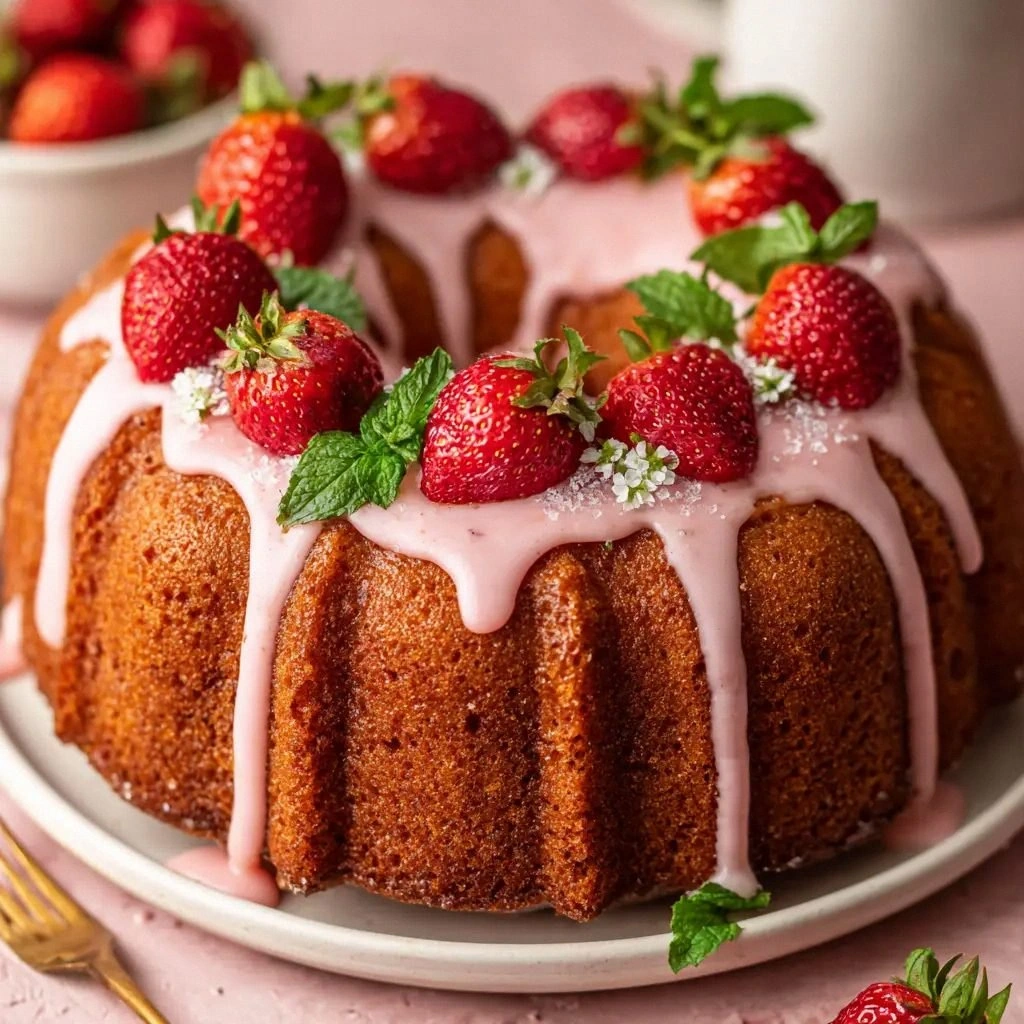
- While the cake is still warm, whisk together the powdered sugar, milk or heavy cream (2.5 tbsp), and 1/2 tsp vanilla extract to create a glaze. Drizzle the glaze over the top of the cake, letting it pool in the crevices. The glaze adds a sweet finish and a glossy sheen that makes the cake look irresistible.
Insider Tricks for Flawless Results
The Temperature Rule Nobody Follows
Bake at 350°F (175°C) for even heat distribution. A lower temperature prevents the edges from browning too quickly while the center remains undercooked. If you’re using a convection oven, reduce the temperature by 25°F. This trick keeps the cake moist and the crust golden.
Why Your Nose Knows Best
Smell the batter as it mixes; a sweet, buttery aroma is a sign that the butter and sugar are properly creamed. If the smell is flat, the butter may not have been softened enough. Trust your nose to detect when the batter is ready for the next step.
The 5-Minute Rest That Changes Everything
After mixing the batter, let it rest for 5 minutes before pouring it into the pan. This allows the flour to hydrate fully, resulting in a smoother crumb. The batter will also settle, making it easier to spread evenly.
Fold, Don’t Stir
When incorporating the dry ingredients and strawberries, use a gentle folding motion. Stirring vigorously introduces excess air and can cause the cake to collapse. A light fold keeps the batter airy and the strawberries evenly distributed.
The Secret of the Glaze
Whisk the glaze until it’s silky smooth before drizzling. If the glaze is too thick, add a splash of milk; if it’s too thin, add more powdered sugar. A glossy glaze not only looks good but also seals in moisture.
The Finish Line
Let the cake cool completely before slicing. Cutting while warm can cause the cake to crumble. A fully cooled cake holds its shape and the glaze sets perfectly.
Creative Twists and Variations
This recipe is a playground. Here are some of my favorite ways to switch things up:
Citrus Burst
Add zest from one lemon and a tablespoon of orange zest to the batter. The citrus brightens the flavor and complements the strawberries. Serve with a dusting of powdered sugar for a fresh finish.
Chocolate Swirl
Fold in 1/2 cup of melted dark chocolate into the batter after the strawberries. The chocolate creates a ribbon effect and adds a rich depth. It’s perfect for chocolate lovers who want a fruity twist.
Almond Glaze
Replace the milk or heavy cream in the glaze with almond milk and add a teaspoon of almond extract. The nutty flavor pairs beautifully with the buttery cake. Finish with a sprinkle of sliced almonds on top.
Berry Medley
Swap strawberries for a mix of blueberries, raspberries, and blackberries. The combination adds color and a tart contrast to the sweet batter. Make sure the berries are patted dry before folding to avoid excess moisture.
Savory Surprise
Add 1/2 cup of sun-dried tomatoes and a pinch of dried oregano to the batter. The savory notes balance the sweetness, creating a complex flavor profile. This version works well as a side for a light lunch.
Espresso Infusion
Stir 1 tablespoon of instant espresso powder into the batter. The coffee deepens the chocolate undertones and adds a subtle bitterness that pairs well with the strawberries. Serve with a dusting of cocoa powder.
Storing and Bringing It Back to Life
Fridge Storage
Wrap the cooled cake tightly in plastic wrap and place it in the refrigerator for up to 5 days. The moisture from the strawberries will keep the cake from drying out. When you’re ready to serve, let it sit at room temperature for 15 minutes to soften.
Freezer Friendly
Slice the cake into individual portions, wrap each slice in parchment paper, then place in a freezer bag. Freeze for up to 3 months. Thaw overnight in the fridge and let it warm to room temperature before serving.
Best Reheating Method
Reheat a slice in a microwave on medium power for 10–15 seconds, then drizzle a tiny splash of water or milk over the top before microwaving for an additional 5 seconds. The steam restores moisture and keeps the cake from becoming dry.