I was halfway through a midnight snack, scrolling through Instagram when a photo of a green, noodle‑like dish caught my eye. The caption promised a “quick, low‑carb dinner that feels indulgent.” I stared at the empty pan, the faint smell of garlic in the air, and thought, “If I could turn that into something that doesn’t feel like a compromise, I’ll eat it for breakfast, lunch, and dinner.” That single thought sparked a kitchen experiment that ended up being the best version of zucchini noodles I’ve ever made.
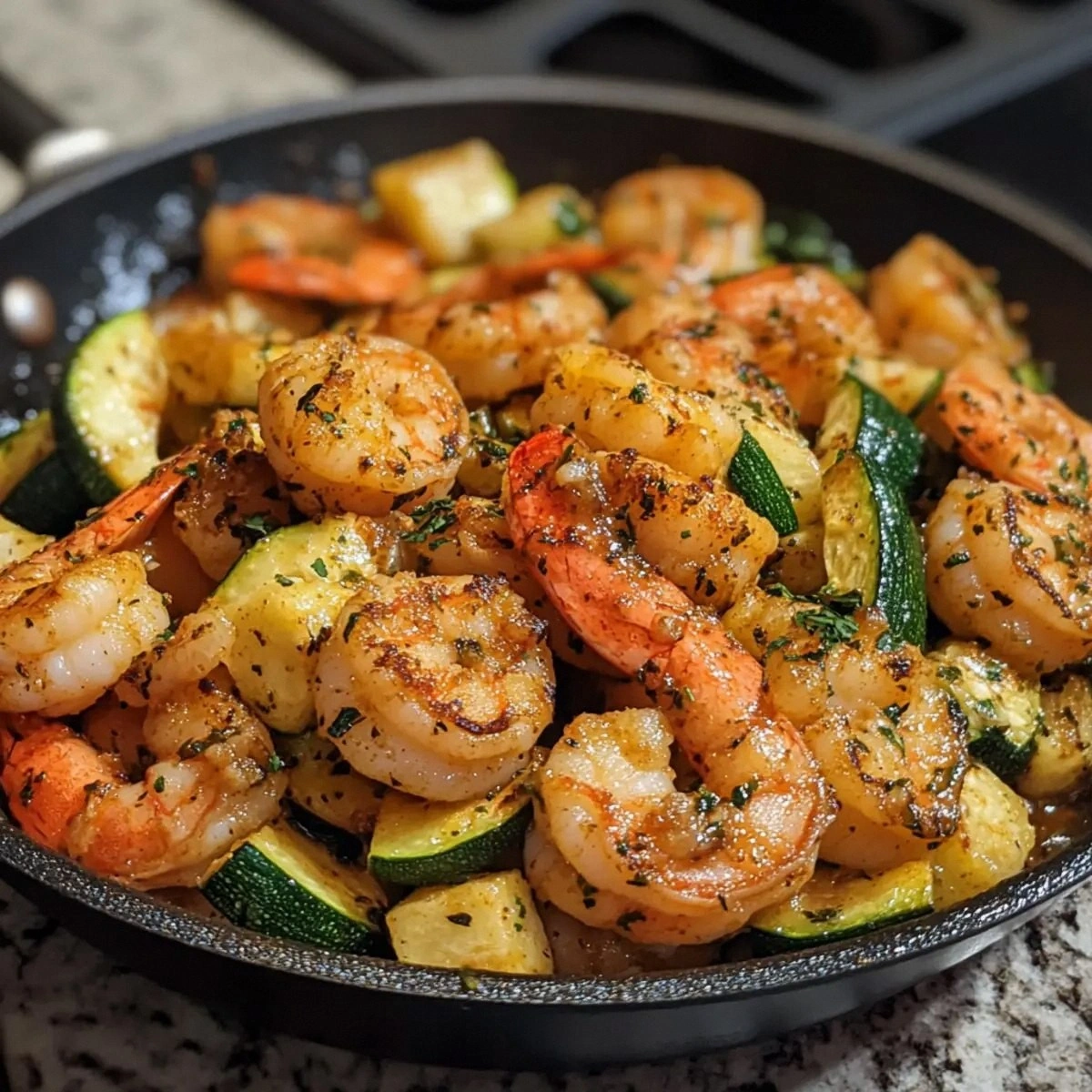
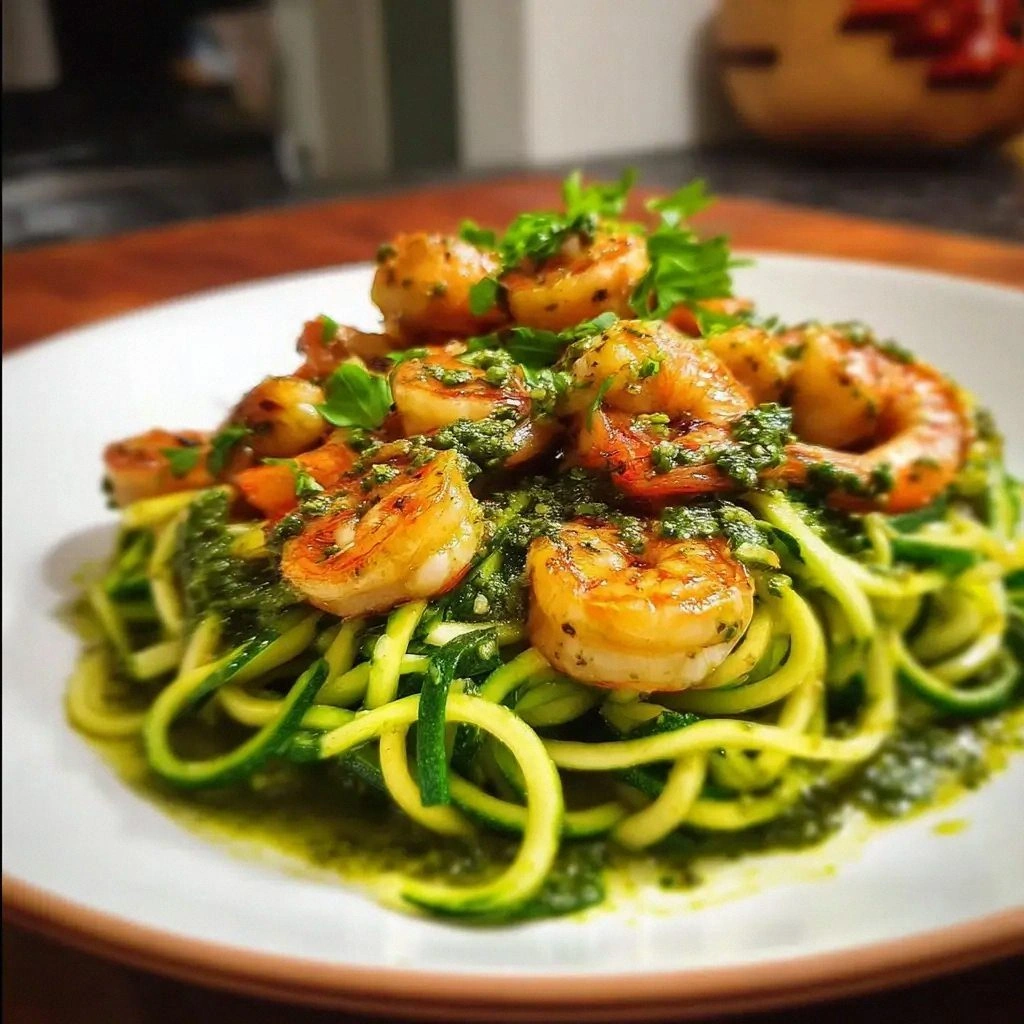
Picture this: the zesty scent of basil mingling with toasted pine nuts, the bright green swirl of zucchini noodles glistening under a drizzle of olive oil, and the sizzling sound of shrimp flipping in a hot skillet. The first bite delivers a burst of fresh herb, a whisper of nutty crunch, and the sweet, briny bite of shrimp. The texture is a playful contrast—soft noodles that hold their shape, a creamy pesto that coats like velvet, and shrimp that crackles just enough to add a satisfying pop. The finish is bright, with a hint of citrus from lemon zest that lifts the entire dish.
What makes this version stand out is not just the ingredients, but the way each element is treated. I’m talking about a pesto that’s richer than the average store‑bought, a shrimp that’s grilled to perfection, and zucchini noodles that stay crisp and fresh. I dare you to taste this and not go back for seconds. Most recipes get this completely wrong—pesto that’s too watery, noodles that are mushy, or shrimp that’s overcooked. I’ve discovered the exact technique that keeps everything balanced and delicious.
Let me walk you through every single step—by the end, you’ll wonder how you ever made it any other way.
What Makes This Version Stand Out
- Flavor: The pesto is a symphony of basil, pine nuts, and Parmesan that delivers a depth of flavor you usually reserve for high‑end restaurants. It coats each noodle like velvet, creating a mouthfeel that’s both comforting and sophisticated.
- Texture: The zucchini noodles are lightly sautéed just enough to warm them, preserving their snap while preventing them from becoming soggy. The shrimp adds a satisfying crunch on the outside while staying tender inside.
- Freshness: Using fresh basil and real olive oil gives the dish a brightness that canned ingredients can’t match. The citrusy lemon zest lifts the entire flavor profile.
- Balance: The recipe is low in carbs but high in protein, thanks to shrimp and a generous amount of Parmesan. It’s a perfect harmony of lightness and indulgence.
- Versatility: It can be served as a quick weeknight dinner, a fancy brunch, or a crowd‑pleasing appetizer. The ingredients are pantry staples, making it accessible to most cooks.
- Make‑Ahead Friendly: The pesto can be prepared a day in advance and stored in the fridge for up to five days. The zucchini noodles can be boiled and chilled, then tossed in the sauce right before serving.
- Visual Appeal: The green noodles, golden shrimp, and vibrant basil leaves create a dish that looks as good as it tastes—perfect for Instagram-worthy meals.
Inside the Ingredient List
The Flavor Base
Fresh basil is the heart of this pesto. It provides a bright, aromatic foundation that pairs beautifully with the nutty pine nuts and savory Parmesan. If you’re out of basil, consider swapping for fresh mint or a mix of basil and cilantro for a different twist. When selecting basil, look for glossy, dark green leaves free of brown spots; they’ll give you the most vibrant flavor.
Pine nuts add a buttery texture and subtle sweetness that balance the herbaceousness of basil. They’re also a great source of healthy fats. If pine nuts are pricey or unavailable, chopped walnuts or almonds work well as a substitute, though the flavor will shift slightly.
Parmesan cheese brings umami depth and a slight saltiness that elevates the entire sauce. Use freshly grated cheese for the best melt and flavor. A sprinkle of Pecorino Romano can add a sharper, saltier kick if you’re feeling adventurous.
The Texture Crew
Zucchini noodles are the canvas of this dish. They’re low in calories yet satisfying, with a gentle crunch when lightly sautéed. Spiralized zucchini is ideal, but a julienne peeler or mandoline works just as well. Keep them in a bowl of ice water until you’re ready to cook to prevent them from browning.
Shrimp adds protein and a delightful snap. I recommend large shrimp for their firm texture and sweet flavor. If you prefer a milder taste, use medium shrimp and season them lightly before grilling.
Olive oil is the liquid that brings everything together. A high‑quality extra‑virgin olive oil adds a fruity note and helps the pesto coat the noodles evenly. For a lighter version, use a light olive oil, but you’ll lose some of the depth.
The Unexpected Star
Red pepper flakes introduce a subtle heat that cuts through the richness of the pesto. They’re optional, so feel free to leave them out if you’re heat‑averse. If you want a different spice, crushed black pepper or a pinch of cayenne will work beautifully.
Capers give a briny, tangy pop that complements the shrimp’s sweetness. They’re a small touch that adds complexity without overpowering the dish. If you can’t find capers, a splash of Worcestershire sauce can mimic their flavor.
The Final Flourish
Lemon zest brightens the dish with citrusy brightness, cutting through the richness of the pesto and adding a fresh finish. Grate the zest directly into the sauce to release the essential oils. If you’re allergic to citrus, a splash of white wine vinegar can provide a similar acidity.
Fresh parsley is the garnish that adds a pop of color and a hint of herbal freshness. It’s a simple touch that makes the dish look professionally plated. If parsley isn’t available, a sprinkle of chopped basil or cilantro works just fine.
Everything's prepped? Good. Let's get into the real action...
The Method — Step by Step
- Prepare the zucchini noodles: Using a spiralizer, cut the zucchini into thin ribbons. Place them in a large bowl and cover with ice water to keep them crisp. After 5 minutes, drain and pat dry with paper towels. This step prevents the noodles from releasing too much water during cooking.
- Make the pesto: In a food processor, combine basil, pine nuts, Parmesan, garlic, olive oil, lemon zest, and red pepper flakes. Pulse until a smooth paste forms, scraping down the sides as needed. Taste and season with salt and pepper; the pesto should have a bright, aromatic flavor that coats the noodles evenly.
- Season the shrimp: Pat the shrimp dry with paper towels. Toss them with a pinch of salt, pepper, and a splash of olive oil. Heat a large skillet over medium‑high heat and add the shrimp. Sear for 2 minutes on each side until they turn pink and develop a golden crust. Remove and set aside. This step locks in moisture and creates a delightful crunch.
- Cook the zucchini noodles: In the same skillet, add a tablespoon of butter. Once melted, toss in the zucchini noodles. Sauté for 1–2 minutes, just until they soften slightly but remain crisp. The noodles should still hold their shape, like fresh pasta lightly al dente.
- Integrate the pesto: Reduce the heat to low. Add the pesto to the skillet and stir until the sauce coats every noodle. The sauce should be silky and cling to the noodles, not clingy. This step is the moment of truth; the sauce must be smooth and fragrant.
- Reintroduce the shrimp: Return the grilled shrimp to the skillet. Toss everything together, allowing the shrimp to warm through and absorb the pesto’s flavors. Sprinkle capers over the top for a pop of briny brightness.
- Final seasoning: Taste the dish and adjust salt or pepper if needed. The sauce should be balanced, not overpowering. If the pesto feels too thick, add a splash of reserved pasta water to loosen it.
- Plate and garnish: Divide the zucchini noodles and shrimp among four plates. Garnish with fresh parsley and an extra sprinkle of Parmesan if desired. The dish should look vibrant, with a sheen of olive oil and a pop of green.
- Serve immediately: This dish is best enjoyed hot, as the pesto’s freshness and the shrimp’s crispness shine through. If you’re preparing it ahead, keep the noodles and sauce separate until ready to serve.
That’s it—you did it. But hold on, I’ve got a few more tricks that’ll take this to another level.
Insider Tricks for Flawless Results
The Temperature Rule Nobody Follows
Cooking the shrimp at the right temperature is crucial. If the skillet is too hot, the shrimp will burn on the outside before the inside cooks. Aim for medium‑high heat, and watch for the first pink flare. This simple tweak ensures juicy shrimp every time.
Why Your Nose Knows Best
When making pesto, trust your nose more than your taste buds. The aroma of basil and pine nuts is a sign that the sauce has reached its full flavor potential. If it smells faint, let it sit a minute longer; the oils will release more aroma.
The 5-Minute Rest That Changes Everything
After you remove the shrimp from the skillet, let it rest for 5 minutes before adding it back. This brief pause allows the juices to redistribute, ensuring the shrimp stays moist and flavorful. It’s a small step that makes a huge difference.
The Quick Toss Trick
When tossing the noodles with pesto, use a pair of tongs instead of a spoon. Tongs give you better control and help coat the noodles evenly. This technique is especially useful when working with a larger batch.
The Secret to Crisp Shrimp
Sprinkle a pinch of baking soda on the shrimp before cooking. This raises the pH level on the surface, preventing the proteins from tightening up too quickly. The result? Shrimp that stays tender and juicy.
The Final Touch of Lemon
Right before serving, squeeze a fresh lemon wedge over the dish. The citrus brightness lifts the flavors and adds a refreshing zing that balances the richness of the pesto. It’s a finishing touch that elevates the whole plate.
Creative Twists and Variations
This recipe is a playground. Here are some of my favorite ways to switch things up:
Mediterranean Medley
Add sun‑dried tomatoes, Kalamata olives, and feta cheese to the pasta. The salty olives and tangy feta give it a classic Mediterranean vibe that pairs wonderfully with shrimp.
Spicy Cajun Kick
Swap the red pepper flakes for a tablespoon of Cajun seasoning. Add sliced bell peppers for crunch and a hint of sweetness. The dish becomes a bold, smoky, and spicy delight.
Vegan Version
Omit the shrimp and replace it with grilled tofu or tempeh. Keep the pesto, but use a vegan Parmesan alternative. This version is protein‑rich and satisfies the plant‑based palate.
Pesto Swap
Try a sun‑dried tomato pesto for a sweeter, tangier flavor. The tomato base pairs well with the zucchini’s mildness and can be a refreshing change of pace.
Asian Fusion
Add a splash of soy sauce, a teaspoon of sesame oil, and a pinch of toasted sesame seeds to the pesto. Garnish with sliced green onions. The result is a cross‑cultural dish that’s both familiar and adventurous.
Summer Picnic
Pack the dish in a portable container and serve chilled with a side of fresh fruit. The cool pesto and crisp zucchini noodles make for a refreshing picnic favorite.
Storing and Bringing It Back to Life
Fridge Storage
Store the cooked pasta and sauce separately in airtight containers. Keep the shrimp chilled and reheat gently on the stove or in the microwave. Add a splash of water or broth before reheating to keep the noodles from drying out.
Freezer Friendly
The pesto can be frozen in an ice cube tray for up to three months. Once frozen, transfer the cubes to a zip‑lock bag. The zucchini noodles can be frozen for up to two weeks, but they’re best served fresh.
Best Reheating Method
Reheat the dish on low heat, stirring frequently. A small amount of olive oil or water will help revive the sauce’s silky texture. Avoid high heat, as it can cause the shrimp to become rubbery.