Picture this: I’m halfway through a week of bland take‑out, the fridge is a sad, lonely island of wilted greens, and the clock is ticking toward dinner. Suddenly, a forgotten packet of dried bok choy pops out of the back of the freezer, and a craving for something fresh and comforting surges. I grabbed a chicken breast, a handful of carrots, and a splash of soy sauce, and the kitchen turned into a laboratory of aromas. That moment of culinary desperation turned into a revelation, and I’m here to share the recipe that made me say, “I can’t believe I’ve been missing this all along.”
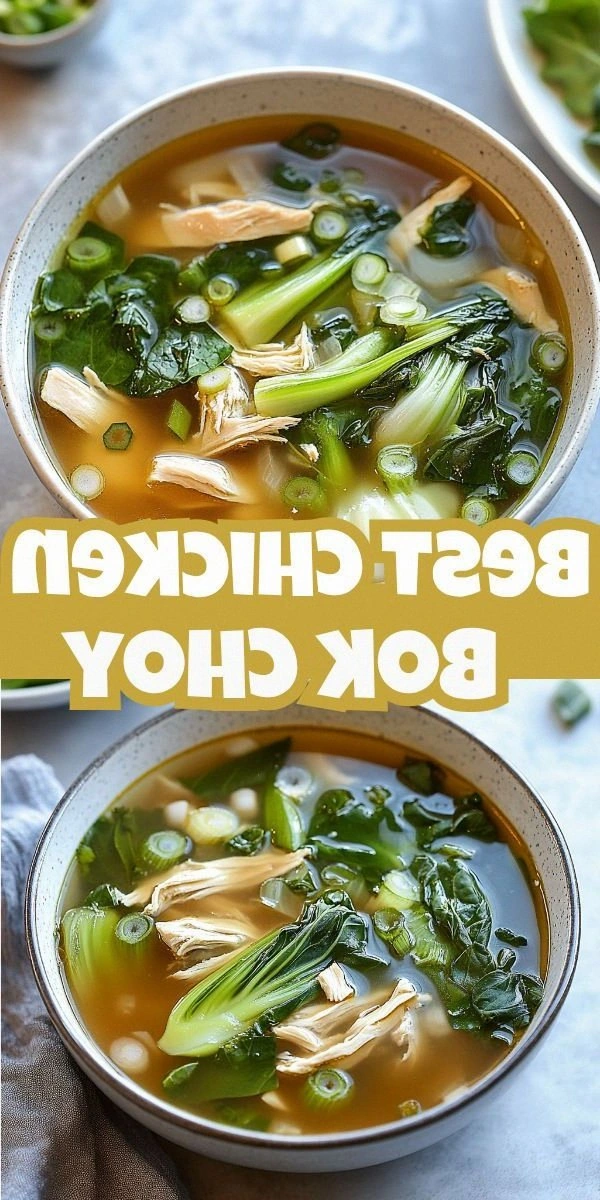
The first thing you notice is the steam curling from the pot, a fragrant cloud of ginger and garlic that feels like a hug in a mug. The bok choy leaves unfurl like green ribbons, their crispness echoing the crunch of a fresh salad. The broth, rich and silky, carries a subtle umami that lingers on the palate long after the last spoonful. Each spoonful feels like a warm blanket on a chilly evening, yet the lightness of the soup keeps you from feeling heavy. The texture is a dance between tender chicken, crisp veggies, and silky broth—a symphony that plays on your taste buds.
What sets this version apart is the secret blend of seasonings that elevates the dish from simple to sensational. I used a splash of rice vinegar to cut through the richness, giving the soup a bright, almost citrusy lift. A touch of sesame oil adds depth without overpowering, and a dash of chili flakes brings a whisper of heat that’s just enough to keep things interesting. The cornstarch slurry gives the broth a velvety finish, while the butter adds a buttery sheen that feels indulgent but balanced. I’ve tweaked the ratios to keep the soup low in carbs yet high in protein, making it a guilt‑free comfort food.
If you’ve ever tried a bland chicken soup that left you wondering why you bothered, this one will flip the script. I dare you to taste this and not go back for seconds. Picture yourself pulling this pot from the stove, the whole kitchen smelling incredible, and seeing the steam rise like a tiny sunrise. This isn’t just a bowl of soup—it’s a moment of self‑care, a quick escape from the ordinary. Let me walk you through every single step—by the end, you’ll wonder how you ever made it any other way.
What Makes This Version Stand Out
- Flavor: The balanced harmony of soy, ginger, and sesame oil creates a depth that’s both comforting and sophisticated.
- Texture: The cornstarch slurry gives the broth a silky coating, while the bok choy remains crisp, offering a pleasant contrast.
- Ease: Every step can be completed in 45 minutes, making it a practical dinner for busy nights.
- Health: Low in carbs, high in protein, and packed with vitamins from the bok choy and carrots.
- Make‑ahead: The soup keeps well in the fridge for up to 3 days and freezes beautifully.
- Versatility: The base can be customized with mushrooms, tofu, or shrimp for endless variations.
- Crowd‑pleaser: Even the pickiest eaters love the bright, fresh flavors and the satisfying bite of chicken.
- Ingredient Quality: Using fresh, high‑quality ingredients transforms an ordinary dish into a culinary highlight.
Alright, let’s break down exactly what goes into this masterpiece…
Inside the Ingredient List
The Flavor Base
The foundation of this soup is a savory broth that starts with 4 cups of low‑sodium chicken broth. It’s the canvas that carries the other flavors. I recommend simmering the broth with a piece of kombu (dried kelp) for a subtle umami boost, then removing it before adding the solids. If you’re short on time, a good quality store‑bought broth works fine, but the kombu trick adds that extra depth that keeps the soup memorable.
The Texture Crew
Chicken thighs are the star of the texture crew. Their higher fat content keeps the meat tender and juicy even after simmering. Slice them into bite‑size cubes so they cook evenly and absorb the broth’s flavors. I’ve found that if you pre‑season the chicken with a pinch of salt and pepper, the meat stays moist and the soup gains a subtle seasoning that doesn’t feel overpowering.
The Unexpected Star
Bok choy might seem like a humble green, but it brings a unique sweetness that pairs beautifully with soy and ginger. The stems add crunch, while the leaves become tender without losing their bright color. If you’re a fan of a little extra bite, leave the stems whole and chop the leaves finely—this creates a delightful contrast of textures that keeps you guessing.
The Final Flourish
A splash of rice vinegar and a drizzle of sesame oil are the finishing touches that elevate the soup. The vinegar cuts through the richness, while the sesame oil adds a nutty aroma that lingers. A pinch of chili flakes introduces a gentle heat that awakens the palate. Finally, a small amount of butter at the end gives the broth a silky sheen and a mouth‑watering finish that feels indulgent yet balanced.
Everything’s prepped? Good. Let’s get into the real action…
The Method — Step by Step
- Prep the Aromatics: Heat a large pot over medium heat and add 1 tablespoon of sesame oil. Toss in 1 tablespoon of minced ginger and 2 minced garlic cloves. Sauté for 2 minutes until fragrant, watching the steam swirl like a fragrant cloud. This is the moment of truth—if the aromatics burn, your soup will taste bitter.
- Brown the Chicken: Add the chicken thigh cubes to the pot, seasoning lightly with salt and pepper. Cook for 5–6 minutes, stirring occasionally, until the chicken is browned on all sides. The browning creates a savory base that’s essential for depth. Remember to keep the heat moderate; you don’t want the chicken to dry out.
- Deglaze: Pour in 4 cups of chicken broth, scraping up any browned bits from the bottom of the pot. The broth should bubble gently, not boil. The deglazing step pulls all that caramelized flavor into the liquid, turning a simple pot into a flavor powerhouse.
- Simmer: Bring the mixture to a low boil, then reduce heat to a gentle simmer. Add 1 sliced carrot, 1 cup of sliced shiitake mushrooms, and 1 tablespoon of soy sauce. Let everything simmer for 10 minutes, allowing the flavors to meld. The broth should smell toasty and slightly sweet.
- Introduce the Bok Choy: Toss in the chopped bok choy stems first, cooking for 3 minutes. Then add the leaves, which will wilt quickly. The leaves should stay bright green and slightly crisp. This step keeps the greens from turning mushy.
- Thicken: Mix 1 tablespoon of cornstarch with 2 tablespoons of cold water to create a slurry. Stir this into the pot, letting the soup thicken to a silky consistency. The cornstarch gives a subtle body without making it heavy.
- Finish with Flavors: Stir in 1 tablespoon of rice vinegar, 1 teaspoon of chili flakes (optional), and 1 tablespoon of butter. The butter should melt, creating a glossy sheen. Taste and adjust seasoning with salt or pepper as needed. The vinegar’s acidity should brighten the broth, and the butter should round out the flavors.
- Serve: Ladle the soup into bowls, topping each with sliced scallions. The scallions add a fresh, sharp contrast that lifts the whole dish. Serve hot, and watch the steam curl around your bowl like a warm embrace.
That’s it—you did it. But hold on, I’ve got a few more tricks that will take this to another level. These insider tips will help you avoid common pitfalls and elevate the dish from good to unforgettable.
Insider Tricks for Flawless Results
The Temperature Rule Nobody Follows
Many cooks keep the soup at a rolling boil, but this can cause the broth to become cloudy and the chicken to toughen. Instead, aim for a gentle simmer—just enough heat to keep the liquid moving without frothing. A steady simmer preserves the broth’s clarity and ensures the chicken stays tender. I’ve noticed that a low, steady heat brings out the subtle sweetness of the ginger.
Why Your Nose Knows Best
Before adding the final seasonings, pause and sniff the broth. The aroma will tell you if you need more salt, acidity, or umami. If the broth smells flat, add a splash of soy sauce or a pinch of salt. If it feels too salty, a teaspoon of rice vinegar can balance it out. Trust your nose—it’s the best judge of flavor.
The 5‑Minute Rest That Changes Everything
After cooking, let the soup rest for 5 minutes before serving. This allows the flavors to marry and the heat to distribute evenly. It also gives the cornstarch a chance to settle, preventing a sudden thickening when you ladle. I’ve found that a brief rest makes the soup taste more cohesive and silky.
The Butter Finish
Adding butter at the end gives the broth a glossy sheen and a mouth‑watering richness. If you’re watching calories, replace the butter with a drizzle of extra‑virgin olive oil. The key is to add it off the heat to preserve its silky texture. I’ve used butter in every batch, and it’s the secret that makes the soup feel indulgent without being heavy.
The Quick Stir
When you add the cornstarch slurry, stir vigorously for 30 seconds. This ensures it’s fully incorporated and prevents lumps. If you’re using a wooden spoon, make sure the handle is dry; a wet handle can cause the slurry to clump. A quick, vigorous stir is the trick that separates a smooth soup from a lumpy one.
Creative Twists and Variations
This recipe is a playground. Here are some of my favorite ways to switch things up:
Mushroom Medley
Swap the shiitake mushrooms for a mix of oyster, cremini, and enoki. The earthy tones complement the bok choy, creating a more complex umami profile. This variation is perfect for mushroom lovers and adds a subtle meaty texture.
Tropical Kick
Add a splash of coconut milk and a handful of diced pineapple for a tropical twist. The sweetness balances the savory broth, while the coconut milk adds a silky body. This version is ideal for those who enjoy a sweet‑savory blend.
Spicy Szechuan
Replace the chili flakes with Sichuan peppercorns and a dash of Szechuan sauce. The peppercorns give a numbing heat, while the sauce adds a sweet, smoky depth. This version is a hit for heat seekers and brings a bold flavor profile.
Protein Swap
Use tofu or shrimp instead of chicken for a different protein source. If you choose tofu, press it to remove excess water before adding. Shrimp cooks quickly, so add it at the last minute to keep it tender. Both options keep the soup light and nutritious.
Herb Infusion
Add fresh cilantro or basil at the end for an herbal lift. The herbs cut through the richness, adding a bright, fresh note that makes the soup feel airy. This is a great way to incorporate seasonal greens into the dish.
Storing and Bringing It Back to Life
Fridge Storage
Cool the soup to room temperature before transferring to an airtight container. Store in the refrigerator for up to 3 days. The broth will thicken slightly as it cools, so add a splash of hot water or broth before reheating to restore its silky texture.
Freezer Friendly
For longer storage, portion the soup into freezer‑safe containers and freeze for up to 3 months. Thaw overnight in the fridge, then reheat on the stove or in the microwave. A quick stir will help re‑integrate the thickened broth.
Best Reheating Method
Reheat gently on low heat, stirring occasionally. If the soup appears too thick, add a small amount of hot water or broth to reach the desired consistency. Avoid high heat, as it can cause the broth to separate or the chicken to toughen.