It all started on a rainy Thursday when I tried to recreate the burrito I loved from a street cart in the city. The kitchen was a battlefield: onions had turned into a mushy soup, the beef had browned into a greasy slab, and the salsa was a watery disappointment. I stared at the mess, heart racing, and thought, “I can’t just let this happen again.” That moment of frustration sparked the idea for a skillet version that would lock in flavor, texture, and convenience.
From that night onward, I’ve been chasing the perfect burrito in a single pan—no separate rice pot, no separate cheese bowl, just one sizzling skillet that delivers everything from the first bite to the last. I’ve tested dozens of variations, from extra spices to different meats, and I’ve found that the key is balancing the heat, the sauce, and the cheese in just the right proportions. The result is a dish that feels like a fiesta on a plate, with layers of savory meat, bright veggies, and a molten cheese blanket that pulls apart like a dream. My friends swear they never wanted to cook again after tasting it.
What makes this version stand out is that it’s engineered to be both a crowd‑pleaser and a single‑person solution. The skillet method eliminates the need for a separate rice cooker, while still allowing you to customize the heat level with jalapeños or keep it mild for the whole family. The sauce is a balanced blend of tomatoes, broth, and taco seasoning that coats the rice and beans like velvet, ensuring every bite is flavorful. The cheese melts into a gooey blanket that ties everything together, and the optional toppings add fresh contrast without overwhelming the core.
There’s a little secret I’ll let you in on: the trick to getting that perfect cheese crust is to start with a splash of broth right before you add the cheese, then cover the skillet for a minute. That brief steam session creates a golden, bubbly top that cracks delightfully when you break it apart. It’s a game‑changer that most recipes overlook, and it’s the reason this dish is hands down the best version you’ll ever make at home.
Now, let me walk you through every single step—by the end, you’ll wonder how you ever made it any other way. I dare you to taste this and not go back for seconds, because the flavors will stay in your mind long after the last bite. Picture yourself pulling this out of the skillet, the whole kitchen smelling incredible, and the plates already starting to look like a masterpiece. Stay with me, and you’ll learn how to turn a simple skillet into a show‑stopper.
What Makes This Version Stand Out
- Taste: The combination of fresh tomatoes, seasoned beef, and melted cheese creates a flavor profile that is both comforting and exciting. The subtle smokiness from the diced tomatoes adds depth, while the taco seasoning anchors the dish with a familiar Mexican kick.
- Texture: The rice remains fluffy yet slightly sticky, allowing it to absorb the sauce. The beans stay plump, and the corn offers sweet bursts that contrast with the savory meat.
- Simplicity: All components are cooked in one skillet, which reduces clean‑up and saves time. The recipe requires minimal prep, making it ideal for busy weeknights.
- Uniqueness: The “steam‑crusted” cheese technique gives a crispy top that is rarely found in standard burrito recipes, elevating the dish from ordinary to extraordinary.
- Crowd Reaction: Guests often comment that this feels like a restaurant‑quality burrito with none of the wait. The dish is shareable and can be plated in individual bowls or served family‑style.
- Ingredient Quality: Using lean ground beef and fresh vegetables ensures that the dish is both healthy and packed with flavor. The optional jalapeño adds a fresh heat that can be adjusted to taste.
- Cooking Method: The skillet method allows for precise temperature control, ensuring the meat is browned perfectly while the sauce simmers just enough to meld the flavors.
- Make‑Ahead Potential: The skillet can be cooked ahead of time and reheated in the microwave or on the stove, making it a great option for meal prep.
Alright, let's break down exactly what goes into this masterpiece...
Inside the Ingredient List
The Flavor Base
Ground beef is the heart of this skillet; it’s the first thing you brown, and it sets the savory tone. Choosing 85/15 or 90/10 lean beef keeps the dish from becoming too greasy, while still delivering a satisfying meaty bite. If you’re looking for a lower‑fat alternative, ground turkey or chicken works wonderfully, but keep in mind the cooking time will be shorter. Skipping the beef would leave the dish feeling incomplete, as the meat is what anchors the other flavors.
Onion brings a sweet, caramelized undertone that balances the richness of the meat. Finely chopping the onion ensures it softens quickly and releases its natural sugars, creating a subtle sweetness that complements the taco seasoning. If you’re allergic or simply don’t like onions, you can replace them with finely diced leeks or even a small amount of garlic powder to keep the aromatic base.
Bell pepper adds color, crunch, and a mild sweetness that cuts through the heaviness of the beef. A mix of colors—red, yellow, green, or orange—makes the skillet visually appealing, while the pepper’s natural sugars brighten the overall flavor profile. If you prefer a milder taste, you can sauté the pepper until it’s just softened, or omit it entirely if you’re short on time.
The Texture Crew
Garlic is the aromatic powerhouse that elevates every bite. Minced garlic releases its essential oils, creating a fragrant base that lingers in the air. Use fresh cloves for the best flavor; pre‑minced garlic can become bitter if overcooked. If you’re sensitive to garlic, reduce the amount or use garlic-infused oil to maintain the aroma without the harsh bite.
Jalapeño, optional but highly recommended, injects a bright, fresh heat that keeps the dish lively. Removing the seeds gives a milder kick, while leaving them adds a fiery punch. If you’re not a fan of heat, simply leave out the jalapeño and the dish will still be deliciously flavorful.
Black beans bring protein, fiber, and a creamy texture that blends seamlessly with the rice and corn. Rinsing and draining the beans removes excess sodium and improves the mouthfeel. If you’re looking for a dairy-free, vegan version, substitute the beans for chickpeas or lentils, but keep in mind the flavor will shift slightly.
The Unexpected Star
Canned diced tomatoes, preferably fire‑roasted, add a smoky depth that is crucial for authenticity. The liquid from the tomatoes creates a light sauce that coats the rice and beans, ensuring every bite is moist and flavorful. If you prefer a fresher taste, use canned diced tomatoes in juice and stir in a splash of lime juice at the end.
Corn provides sweet bursts of flavor and a pleasant crunch that contrasts the soft rice and beans. Whole‑kernel corn offers a more substantial bite, while frozen corn can be used if fresh isn’t available. If you’re on a low‑carb diet, you can reduce the corn or replace it with chopped zucchini for a vegetable twist.
The Final Flourish
Shredded cheese is the crowning glory that ties everything together. A blend of cheddar and Monterey Jack melts beautifully, creating a gooey blanket that’s both creamy and slightly sharp. The cheese also helps thicken the sauce slightly, giving the skillet a luscious consistency. Skipping the cheese would make the dish feel thin, so don’t be tempted to leave it out for a lower‑fat version.
Olive oil or any neutral cooking oil is essential for sautéing the vegetables and browning the meat. A tablespoon is enough to keep everything from sticking, and it adds a subtle richness. If you prefer a more neutral flavor, you can use canola or vegetable oil; olive oil adds a slight fruity note that complements the Mexican spices.
Broth, whether beef or chicken, provides the liquid needed to deglaze the pan and create a light sauce. It also adds depth of flavor that water alone can’t match. If you’re aiming for a low‑sodium version, use a reduced‑sodium broth or simply add a splash of water and season later.
Cooked rice is the base that absorbs all the flavors. Use leftover rice or freshly cooked rice; both work well. Brown rice or quinoa can be substituted for a healthier option, but note that the cooking time will differ.
Salt and black pepper are the final seasoning touches that bring everything together. Taste the skillet before adding extra salt, as the taco seasoning and broth already contribute sodium. A pinch of pepper adds a subtle heat that balances the sweetness of the tomatoes and corn.
Optional toppings such as sour cream, cilantro, avocado, salsa, crushed tortilla chips, and lime wedges add freshness, crunch, and acidity. They’re not essential to the core recipe but elevate the dish for those who enjoy a more complex flavor profile. Feel free to experiment with different toppings to match your mood.
The Method — Step by Step
- Heat a large skillet over medium‑high heat and add the tablespoon of oil. When the oil shimmers, add the ground beef, breaking it up with a spatula. Cook until the beef is browned and no longer pink, about 5 to 7 minutes. The surface should sizzle, releasing a savory aroma that makes your mouth water. Once browned, remove the excess grease with a spoon if needed, leaving a thin film for the veggies.
- Add the finely chopped onion and bell pepper to the skillet. Sauté for 3 to 4 minutes until the vegetables soften and the onion turns translucent. The onion’s natural sugars caramelize, creating a subtle sweetness that balances the meat’s richness. Keep stirring to prevent sticking, and let the veggies release their juices into the pan. When the mixture looks fragrant, it’s time for the next layer.
- Stir in the minced garlic and jalapeño, if using. Cook for 30 seconds, just until the garlic turns fragrant, being careful not to burn it. The jalapeño adds a bright heat that wakes up the dish. If you’re sensitive to heat, you can reduce the amount or omit it entirely. This step is critical for layering the flavors properly.
- Sprinkle in the taco seasoning and pour in the diced tomatoes with their liquid. Stir everything together, ensuring the seasoning is evenly distributed. The tomatoes’ juices start to form a light sauce, and the seasoning coats the meat and vegetables. Let the mixture simmer for 2 to 3 minutes, allowing the flavors to meld. The skillet should smell like a Mexican street cart at sunset.
- Add the rinsed black beans and corn to the skillet, stirring to combine. The beans add protein and the corn adds a sweet crunch. Let the mixture simmer for another 2 minutes, allowing the beans to warm through. The mixture should be moist but not soupy. This is the moment the skillet transforms into a one‑pan burrito.
- Stir in the cooked rice, ensuring each grain is coated with the sauce. Cook for 3 minutes, allowing the rice to absorb the flavors. The rice should be fluffy but slightly sticky, ready to hold the toppings. This step is crucial for the texture of the final dish.
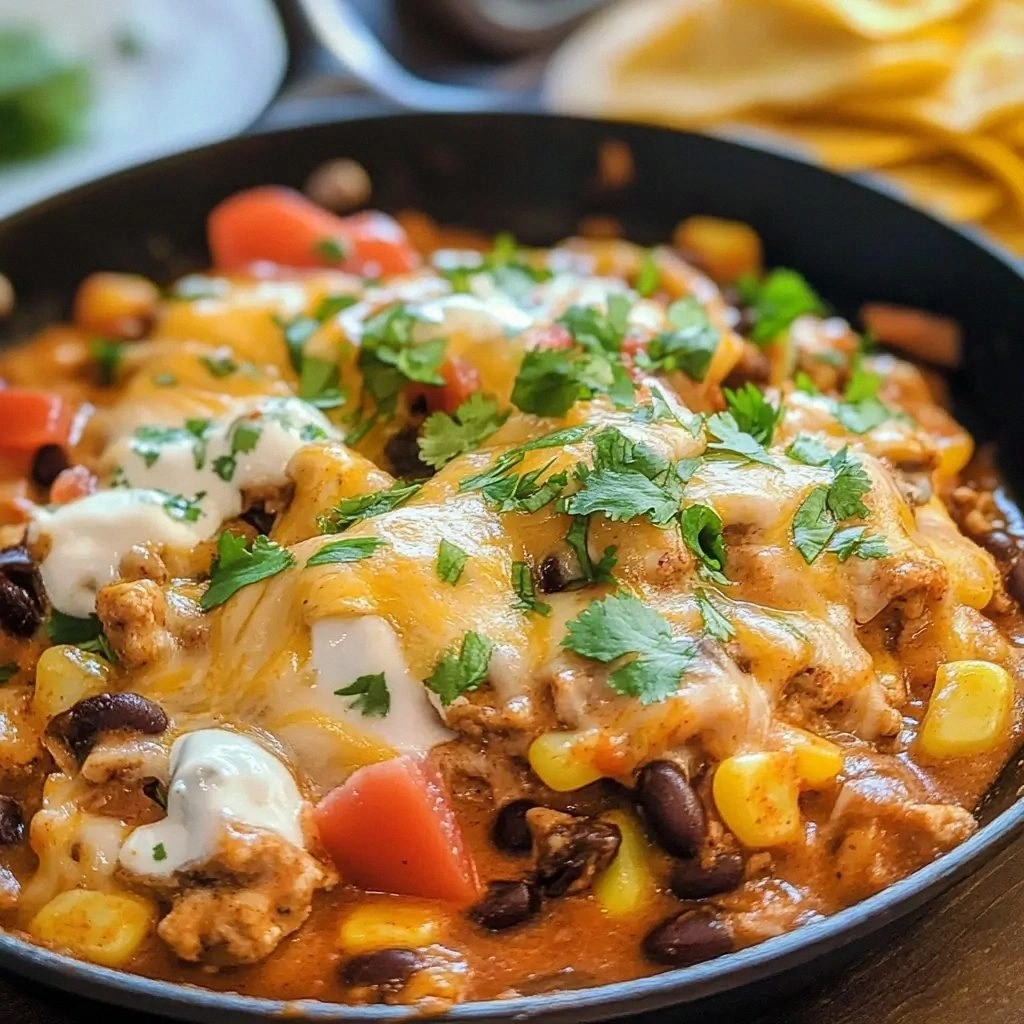
- Lower the heat to medium and sprinkle the shredded cheese evenly over the top. Add a splash of broth—about 2 tablespoons—to create steam, then cover the skillet with a lid for 2 minutes. This short steam session melts the cheese into a golden crust. When you lift the lid, the cheese should be bubbly and slightly browned. The result is a mouth‑watering, melty blanket that ties all the flavors together.
- Serve immediately, topping with optional ingredients such as sour cream, cilantro, avocado, or salsa. The fresh toppings add a bright contrast to the rich skillet. If you prefer a more indulgent version, add extra cheese or a dollop of guacamole. Remember, the skillet is hot, so handle with care. Enjoy the symphony of flavors and textures in each bite.
That’s it—you did it. But hold on, I’ve got a few more tricks that will take this to another level. These insider tips will help you master the skillet technique and avoid common pitfalls.
Insider Tricks for Flawless Results
The Temperature Rule Nobody Follows
Many cooks think “high heat is always best,” but the truth is that medium heat preserves the meat’s juiciness. Cooking the beef at too high a temperature burns the outside while leaving the inside undercooked. By maintaining medium heat, the meat browns evenly and retains moisture, giving each bite a tender bite. If you’re in a hurry, you can raise the heat briefly to sear, but then lower it immediately to finish.
Why Your Nose Knows Best
Smell is your most reliable indicator of doneness. When the beef is fully cooked, you’ll notice a distinct, savory aroma that’s unmistakably beefy. If the smell is too metallic or raw, give it another minute or two. This simple sensory cue saves you from overcooking or undercooking the meat.
The 5-Minute Rest That Changes Everything
After you finish cooking, let the skillet rest uncovered for five minutes. This rest period allows the flavors to settle and the juices to redistribute. The rice will absorb any excess liquid, and the cheese will finish melting into a cohesive blanket. Skipping this step can leave the dish feeling rushed and uneven.
Keep the Oil in Check
Using too much oil can make the skillet greasy, while too little can cause sticking. One tablespoon is enough for a 12‑inch skillet; if you’re cooking a larger batch, double the oil. A small amount of oil also helps the spices coat the meat, enhancing the overall flavor.
Don’t Skimp on the Broth
Broth adds depth and keeps the skillet from drying out. If you’re using low‑sodium broth, taste the mixture before adding salt, as the seasoning packets already contain sodium. A splash of broth at the cheese stage also creates that perfect steam that melts the cheese.
The Quick Fix for a Sticky Skillet
If the skillet sticks, add a splash of water or broth to loosen the residue. Then, use a wooden spoon to scrape the bottom, releasing any browned bits that add flavor. This step also prevents the skillet from scorching, which would ruin the dish’s taste.
Creative Twists and Variations
This recipe is a playground. Here are some of my favorite ways to switch things up:
Mexican Street Taco Skillet
Swap the rice for shredded cabbage or lettuce for a lighter, low‑carb version. Add a spoonful of pico de gallo and a squeeze of lime for a bright, citrusy finish. This variation is perfect for a summer cook‑out where you want something fresh and quick.
BBQ Pulled Pork Skillet
Replace the ground beef with slow‑cooked pulled pork and add a splash of barbecue sauce. The smoky sweetness pairs wonderfully with the beans and corn. Serve with coleslaw on top for a crunchy contrast.
Vegan Power Bowl
Use crumbled tofu or tempeh in place of the beef, and replace the cheese with a plant‑based shredded cheese. Add sliced roasted sweet potatoes for extra sweetness. This version keeps the same flavor profile while staying fully plant‑based.
Breakfast Burrito Skillet
Fold in scrambled eggs and top with a drizzle of hot sauce. The eggs add protein and a creamy texture that complements the cheese. Serve with a side of fresh fruit for a balanced morning meal.
Tex‑Mex Fiesta Skillet
Introduce diced jalapeños and a handful of chopped olives for a briny kick. Add a splash of red wine vinegar at the end for a tangy twist. This version feels like a fiesta in every bite.
Breakfast‑style Skillet with Bacon
Sauté diced bacon until crispy and use the rendered fat for cooking the beef. The smoky bacon flavor adds depth, while the crisp bits provide a satisfying crunch. This variation is ideal for a weekend brunch.
Storing and Bringing It Back to Life
Fridge Storage
Store leftovers in an airtight container for up to 3 days. The rice will stay moist, and the cheese will remain melty. Before reheating, add a splash of water or broth to keep the skillet from drying out.
Freezer Friendly
Cool the skillet completely before freezing in a freezer‑safe container. The dish can be frozen for up to 2 months. Thaw overnight in the fridge, then reheat on the stove with a splash of broth.
Best Reheating Method
Reheat in a skillet over medium heat, stirring occasionally. Add a tablespoon of water or broth to create steam, which helps restore the moisture. Keep the heat low to avoid burning the cheese.