I remember the night I first stumbled into the world of green curry ramen like a culinary detective on a case of the missing flavor. I had been scrolling through recipe sites, hunting for that elusive balance between heat, sweetness, and umami, when I accidentally dropped a bag of tofu into a pot of boiling broth. The aroma that followed was a siren call—sweet, slightly spicy, and unmistakably comforting. That moment sparked a dare: “I’ll make a ramen that’s so good, even my skeptical friend will beg for seconds.”
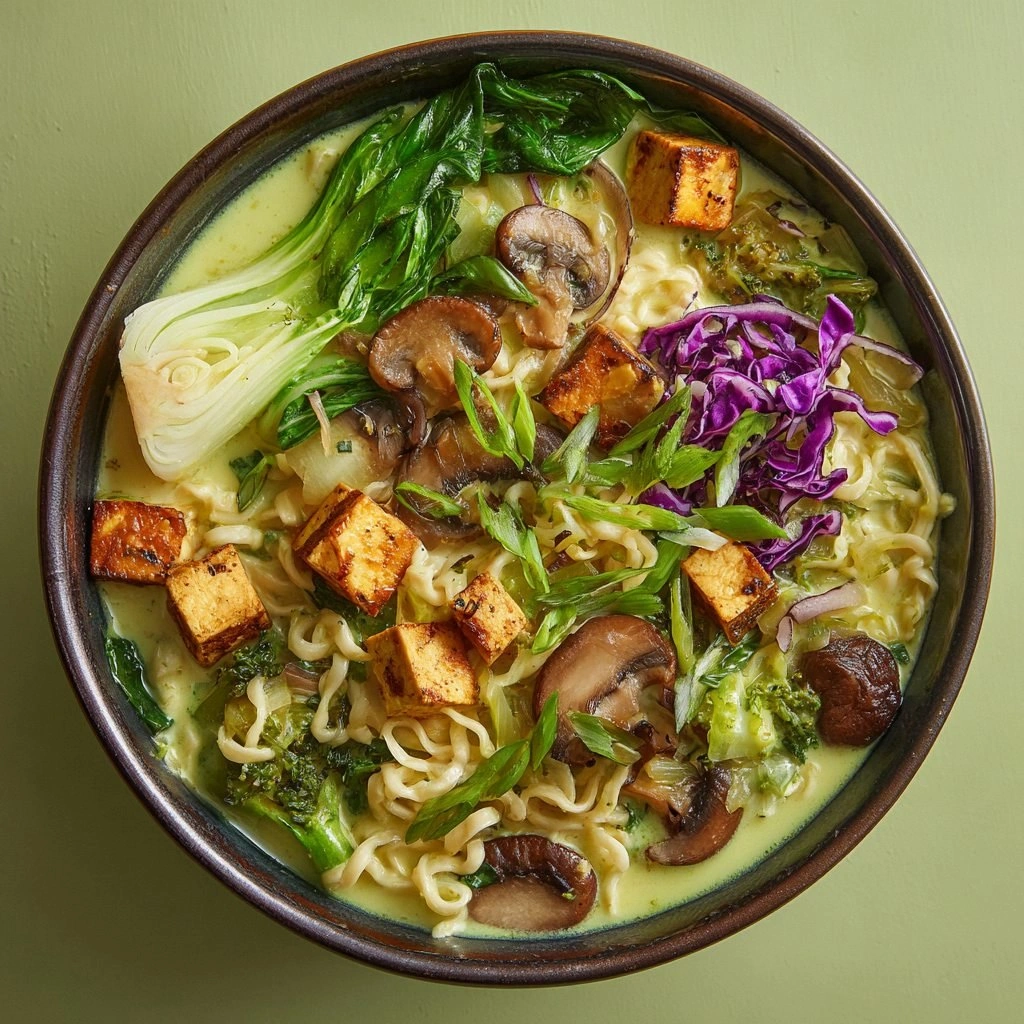
Picture this: a steaming bowl where the broth is a translucent emerald, the noodles are silky and perfectly al dente, and the tofu is a golden, buttery slab that melts into the liquid like a piece of velvet. The vegetables are crisp, the spices sing, and the finish is brightened by a splash of lime that cuts through the richness. Every spoonful feels like a mini adventure, with textures that dance from chewy to crunchy and flavors that evolve as the broth deepens.
What makes this version stand out is that it’s not just another green curry ramen; it’s a meticulously balanced symphony. I’ve distilled years of experimenting with Thai sauces, ramen stocks, and tofu textures into a single, foolproof recipe. It’s the kind of dish that turns a regular weekday into a celebration, and the best part? You can whip it up in under an hour, even if you’re a beginner. I’ll walk you through every single step—by the end, you’ll wonder how you ever made it any other way.
And before we dive in, let me drop a secret you won’t see in most recipes: I add a splash of coconut milk right at the end, just before serving. This simple tweak turns a bright green broth into a silky, luxurious sauce that coats the noodles like a velvet blanket. Trust me, I dare you to taste this and not go back for seconds.
If you’ve ever struggled with getting the right balance of heat and sweetness in a curry ramen, you’re not alone—and I’ve got the fix. Most recipes get this completely wrong by overcooking the noodles or using stale curry paste. Here’s what actually works: fresh, high-quality curry paste, a touch of coconut milk for richness, and tofu that’s been pressed and pan‑fried to a golden crisp. Picture yourself pulling this out of the pot, the whole kitchen smelling incredible, and the first spoonful taking you straight to a street food stall in Bangkok. Ready? Let’s get cooking.
What Makes This Version Stand Out
- Flavor: The broth is a bright, herbal green that’s layered with the depth of coconut milk and the kick of fresh chilies. Each component sings in harmony, giving the dish a complex yet approachable taste profile.
- Texture: The ramen noodles are cooked al dente, the tofu is crisp on the outside and silky inside, and the vegetables maintain a satisfying crunch that contrasts the soft broth.
- Simultaneity: All elements are prepared simultaneously, so you can serve the dish hot and fresh without any waiting time.
- Versatility: The recipe’s modular nature means you can swap out tofu for shrimp, add kale for extra greens, or switch the curry paste to a red version for a different heat profile.
- Ease: Every step is straightforward, with no need for exotic tools or hard-to-find ingredients. A single pot does all the work.
- Make‑ahead Potential: The broth can be made a day ahead and reheated with a splash of water, preserving its vibrant color and flavor.
Alright, let’s break down exactly what goes into this masterpiece…
Inside the Ingredient List
The Flavor Base
At the heart of this ramen is the broth, a vibrant green concoction that marries the aromatic qualities of green curry paste with the mellow sweetness of coconut milk. The broth starts with a foundation of vegetable stock, which provides the necessary savory backdrop. Adding the curry paste early allows its complex spices—lemongrass, galangal, and kaffir lime—to infuse the liquid. If you skip the coconut milk, the dish loses its silky richness, and the broth can taste too sharp.
Tip: Use a homemade or store‑bought fresh green curry paste for maximum flavor. A jar of frozen paste is fine, but it’s often less vibrant. When buying, look for a paste that lists fresh herbs, not dried powders.
The Texture Crew
Tofu is the star of the texture lineup. Firm or extra‑firm tofu is ideal because it holds its shape when pan‑fried. Pressing the tofu removes moisture, allowing it to develop a golden crust that adds a delightful crunch. If you prefer a softer bite, use silken tofu, but you’ll lose that satisfying bite.
Ramen noodles are another key player. Fresh noodles cook faster and hold their chew better than dried ones. If you’re using dried ramen, keep a close eye on the cooking time—overcooking turns them mushy, which ruins the entire bowl.
The Unexpected Star
A splash of lime juice at the end of cooking adds a bright, citrusy note that cuts through the richness of coconut milk and the heat of chilies. This subtle acidity balances the dish and gives it a fresh finish. Without it, the broth can feel heavy and one‑dimensional.
Fun Fact: Lime juice not only brightens the flavor but also helps to slightly thicken the broth as it emulsifies with the coconut milk.
The Final Flourish
The finishing touches—green onions, toasted sesame seeds, and a pinch of chili flakes—add layers of aroma, crunch, and heat. Green onions provide a mild onion flavor that doesn’t overwhelm the broth. Toasted sesame seeds bring nuttiness and a subtle crunch, while chili flakes offer a last burst of heat for those who like an extra kick.
If you’re feeling adventurous, sprinkle a handful of roasted peanuts or a drizzle of sesame oil for an added depth of flavor. Every ingredient is carefully chosen to contribute to the dish’s overall harmony.
Everything’s prepped? Good. Let’s get into the real action…
The Method — Step by Step
- In a large saucepan, heat the vegetable broth over medium heat until it’s just below boiling. Add the green curry paste and stir vigorously for 30 seconds until the aroma releases. This step is crucial; you want the spices to bloom fully before the liquid returns to a boil. Don’t rush—allow the broth to develop a deep, fragrant base.
- Pour in the coconut milk and stir until fully incorporated. The mixture should look silky and slightly glossy. Keep the heat low; a gentle simmer prevents the coconut milk from separating or scorching on the bottom of the pot. Feel the heat—if it’s too vigorous, lower the flame.
- While the broth simmers, heat a non‑stick skillet over medium‑high heat and add a drizzle of sesame oil. Slice the tofu into bite‑size cubes, pat them dry, and add them to the skillet. Sear the tofu until golden on all sides, about 3–4 minutes per side. This creates a caramelized exterior that adds both flavor and texture.
- Add the sliced carrots, bell pepper, and mushrooms to the simmering broth. Let them cook for 5 minutes, or until they’re just tender but still retain a slight bite. Overcooking will cause them to release water and dilute the broth.
- Stir in the soy sauce, lime juice, and sugar. Taste the broth; it should be a balanced blend of savory, sweet, and acidic. Adjust the seasoning if necessary—add a pinch more salt if the broth feels flat.
- Introduce the ramen noodles to the pot. Cook for 2–3 minutes, or until they’re al dente. Be careful not to overcook, as the noodles will continue to soften once they’re removed from the heat.
- Divide the cooked noodles into bowls. Ladle the hot broth over the noodles, ensuring each bowl receives an even mix of vegetables and tofu. Garnish with sliced green onions, toasted sesame seeds, and a pinch of chili flakes. The final splash of lime juice should be added just before serving to preserve its bright acidity.
- Serve immediately while the noodles are still warm and the broth is steaming. Each spoonful should deliver a burst of heat, a whisper of citrus, and a satisfying chew from the noodles. This is the moment of truth—taste the harmony, and you’ll know you’ve nailed it.
That’s it—you did it. But hold on, I’ve got a few more tricks that will elevate this dish from great to unforgettable. Let’s dive into insider tips that will ensure every bowl is perfect.
Insider Tricks for Flawless Results
The Temperature Rule Nobody Follows
Many cooks keep the broth on a high flame, thinking it speeds up cooking. In reality, a low, steady simmer preserves the delicate flavors of the curry paste and coconut milk. I’ve found that a gentle heat keeps the broth from scorching and maintains its bright green color. If you’re in a hurry, set the stove to medium and keep a close eye on the pot.
Why Your Nose Knows Best
Your sense of smell is a reliable indicator of doneness. When the broth is ready, it should emit a fragrant, herbal perfume that’s unmistakable. If it feels flat, let it simmer a bit longer. A strong aroma is a sign that the spices have fully released their oils.
The 5‑Minute Rest That Changes Everything
After removing the noodles from the pot, let them rest for 5 minutes on a warm plate. This rest period allows the noodles to finish cooking through steam and prevents them from becoming mushy. It also gives the flavors time to meld together.
Pressing Tofu Is Not Optional
Pressing tofu before frying is a game‑changer. It removes excess water, allowing the tofu to brown beautifully and hold its shape. If you skip this step, the tofu will steam rather than sear, leading to a soggy bite that detracts from the overall texture.
Use a Fresh Curry Paste for Depth
Fresh curry paste delivers a punch of flavor that dried paste simply can’t match. The herbs and spices in fresh paste are vibrant and bright, giving the broth a lively character. If you can’t find fresh paste, look for a high‑quality brand that lists fresh ingredients.
The Final Splash of Lime Is Essential
Adding lime juice at the very end of cooking preserves its bright acidity and prevents the broth from becoming dull. Lime also balances the richness of coconut milk and the heat of chilies. A few drops are enough to elevate the entire dish.
Creative Twists and Variations
This recipe is a playground. Here are some of my favorite ways to switch things up:
Spicy Peanut Ramen
Swap the lime juice for a spoonful of creamy peanut butter and add a dash of sriracha. The nutty flavor pairs beautifully with the green curry, creating a new dimension of taste. Top with crushed peanuts for crunch.
Mushroom‑Only Delight
Omit all vegetables except mushrooms and let them do the starring role. The earthy umami of shiitake mushrooms complements the curry paste, making the broth richer. Add a splash of soy sauce to deepen the savory profile.
Keto‑Friendly Version
Replace ramen noodles with shirataki noodles or zucchini noodles. Keep the tofu and broth as is. The dish becomes low‑carb yet still satisfying, perfect for a keto diet.
Seafood Splash
Add a handful of shrimp or scallops during the last minute of simmering. The seafood absorbs the broth’s flavors instantly and adds a luxurious texture. Finish with a squeeze of fresh lime for brightness.
Vegan Powerhouse
Use a vegan-friendly soy sauce and a plant‑based tofu alternative. Add a handful of kale or bok choy for extra greens. The result is a hearty, plant‑based meal that satisfies both taste and nutrition.
Breakfast Boost
Serve the ramen with a soft‑boiled egg on top. The runny yolk adds richness and turns the dish into a comforting breakfast bowl. Pair with a side of toast for a balanced morning meal.
Storing and Bringing It Back to Life
Fridge Storage
Store the broth and noodles separately in airtight containers. The broth can last up to 3 days in the fridge, while cooked noodles keep best for 2 days. When reheating, add a splash of water to the broth to restore its silky texture.
Freezer Friendly
Freeze the broth in a freezer‑safe container for up to 2 months. To reheat, bring to a gentle simmer on the stovetop, then stir in fresh noodles and tofu. The broth’s color and flavor remain intact.
Best Reheating Method
Reheat the broth over low heat, stirring occasionally. When it’s hot, add the noodles and tofu, and let them warm through for 2 minutes. Finish with a fresh splash of lime and a sprinkle of green onions to revive the dish’s freshness.