I once tried to impress a friend with a “simple lemon chicken” and ended up with a dry, flavor‑less slab that could have been used as a doorstop. The kitchen was filled with the unmistakable sound of a timer buzzing, the faint smell of burnt oil, and my ego deflating faster than a punctured balloon. Then, on a whim, I grabbed two glossy Meyer lemons from the pantry, drizzled a splash of honey, and threw in a handful of fresh herbs, thinking maybe I could salvage the disaster. The moment the zest hit the pan, a bright, citrusy perfume erupted, turning the entire room into a sunny orchard, and I realized I had stumbled onto something magical.
Picture this: the tangy, honey‑sweet glaze coating the protein like a silk scarf, the garlic whispering its aromatic secrets, and the olive oil providing a buttery sheen that catches the light. The sizzle when the sauce meets the hot pan is like a tiny fireworks show, each pop promising a burst of flavor that will dance on your tongue. I dared myself to taste it right then and there, and I’ll be honest — I ate half the batch before anyone else got a chance to try it. Most recipes get this completely wrong, either drowning everything in acid or leaving the dish flat as a pancake, but this version hits the sweet spot with a balanced zing that makes you want seconds.
What makes this Meyer lemon concoction stand out is not just the ingredients, but the technique: a quick emulsification that locks in moisture, a gentle simmer that deepens flavor without scorching, and a finishing touch of fresh herbs that adds a pop of color and freshness. You’ll notice a subtle caramelization from the honey that rounds out the lemon’s natural tartness, creating a sauce that coats the protein like velvet. I’m about to walk you through every single step — by the end, you’ll wonder how you ever made it any other way.
Okay, ready for the game‑changer? We’re going to start with the Meyer lemons themselves, the star of the show, and treat them with the respect they deserve. I’ll reveal a little secret ingredient that most people overlook, and trust me, it will elevate this dish from “good” to “hands down the best version you’ll ever make at home.” Stay with me here — this is worth it.
What Makes This Version Stand Out
- Bright Balance: The Meyer lemon’s natural sweetness tempers the acidity, while the honey adds a caramel depth that most standard lemon recipes miss.
- Silky Texture: Emulsifying olive oil with citrus creates a glossy coat that clings to the protein, preventing dryness and delivering a mouth‑watering sheen.
- Speedy Simplicity: From prep to plate in under 45 minutes, this dish fits perfectly into a busy weeknight without sacrificing flavor.
- Universal Appeal: Whether you’re feeding picky kids or gourmet‑savvy friends, the gentle citrus notes win over every palate.
- Ingredient Integrity: Using fresh Meyer lemons and high‑quality olive oil ensures the sauce shines without any artificial boosters.
- Make‑Ahead Magic: The sauce actually improves after a short rest, allowing you to prep ahead and finish the protein just before serving.
- Visual Wow: The bright yellow glaze paired with fresh green herbs creates a plate that looks as good as it tastes.
- Flexibility: Swap chicken for fish or tofu, and the sauce adapts flawlessly, making it a versatile centerpiece for any diet.
Inside the Ingredient List
The Flavor Base
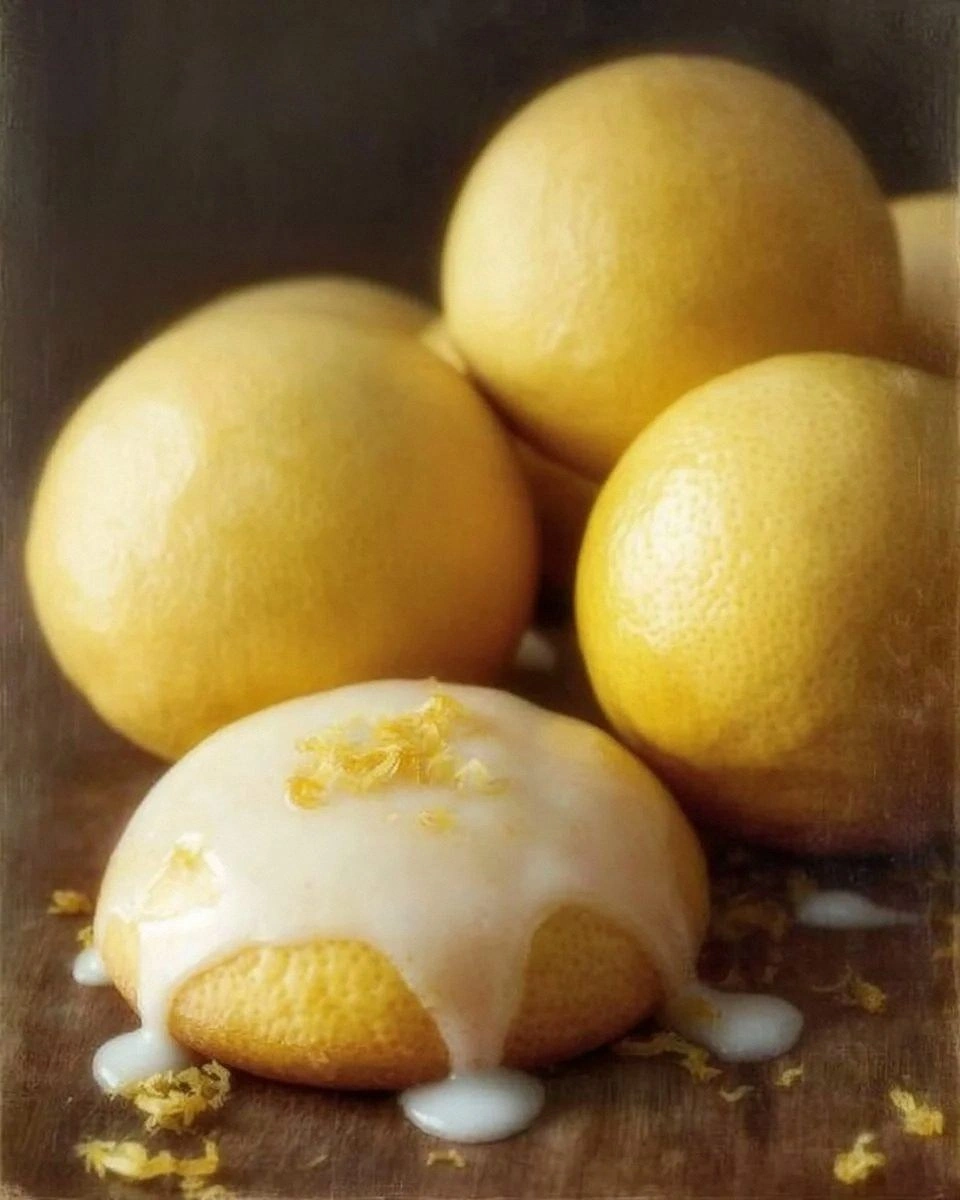
Meyer lemons are the heart of this recipe. Their thin skin and fragrant oils mean you get a mellow citrus note without the sharp bite of regular lemons. If you skip the zest, you lose that aromatic punch that makes the sauce sing; the juice alone would be too flat. For the best results, choose lemons that feel heavy for their size and have a deep golden hue. Swap suggestion: If Meyer lemons are out of season, try a mix of half regular lemon juice and half orange juice to mimic the sweet‑tart profile.
Olive oil is the silky carrier that binds the lemon and honey together. A good extra‑virgin oil adds a subtle peppery undertone, enhancing the overall depth. Skipping the oil will leave the sauce thin and prone to separating, turning your glaze into a watery disappointment. Opt for a cold‑pressed, first‑press oil for the richest flavor. Pro tip: Warm the oil slightly before whisking it in; it emulsifies faster.
The Sweet & Savory Crew
Honey or maple syrup is the secret sweetener that balances the lemon’s acidity. The natural sugars caramelize quickly, creating those coveted golden flecks that give the sauce its glossy finish. If you leave this out, the glaze will taste overly sharp and may burn on the pan. For a vegan twist, stick with maple syrup; it adds a faint woody note that pairs beautifully with herbs.
Garlic, minced finely, provides a robust backbone. Its pungent aroma mellows as it cooks, turning sweet and buttery, which is essential for a well‑rounded sauce. Over‑cooking garlic turns it bitter, so keep an eye on that golden color. If you’re not a fan of garlic, try a teaspoon of finely grated ginger for an Asian‑inspired twist.
The Unexpected Star
Fresh herbs like thyme or parsley aren’t just garnish; they inject a burst of freshness right before serving. Thyme’s earthy notes complement the lemon, while parsley adds a clean, grassy lift. Forgetting the herbs will make the dish feel flat, as the final bright note is missing. I love using a mix of both for complexity. Tip: Add herbs at the very end of cooking to preserve their color and flavor.
The Final Flourish
The protein of your choice—whether it’s chicken breast, flaky white fish, or firm tofu—acts as the canvas for this vibrant glaze. Each protein absorbs the sauce differently: chicken soaks up the citrus, fish benefits from a quick sear, and tofu becomes a crispy, flavor‑packed bite. Skipping the proper seasoning of the protein (salt and pepper) before cooking leads to a bland result, no matter how stellar the sauce is. Pat your protein dry, season it, and give it a quick sear to lock in juices before the glaze takes over.
The Method — Step by Step
Start by zesting the two Meyer lemons directly over a bowl, then juice them. The zest should be fine and fragrant; if you see large white pith, discard it—it adds bitterness. I dare you to taste the juice straight from the bowl; you’ll notice the subtle honeyed undertone that sets this sauce apart. Once you have both zest and juice, set them aside while you prep the other ingredients.
In a small saucepan, combine the olive oil, honey (or maple syrup), and minced garlic. Warm over medium‑low heat, stirring constantly. You’ll hear a gentle sizzle—That sizzle when it hits the pan? Absolute perfection.
Continue until the garlic turns a light golden hue and the honey begins to caramelize, about 2‑3 minutes.Kitchen Hack: Use a silicone spatula to scrape the bottom of the pan; it prevents garlic from sticking and burning.Reduce the heat to low and whisk in the lemon zest and juice. The mixture will bubble gently; this is the emulsification stage where oil and citrus become one silky sauce. If the sauce starts to separate, increase the whisking speed and add a splash of warm water to bring it back together. Let it simmer for another 3‑4 minutes, allowing the flavors to meld.
Season the sauce with salt and black pepper, tasting as you go. The salt amplifies the citrus, while the pepper adds a subtle heat that balances the sweetness. Remember, a pinch of salt can make a world of difference—if you’ve ever struggled with bland sauces, you’re not alone, and I’ve got the fix.
While the sauce simmers, pat your chosen protein dry with paper towels. Sprinkle both sides with a light dusting of salt and pepper. Heat a large skillet over medium‑high heat, add a drizzle of olive oil, and sear the protein for 3‑4 minutes per side until golden brown. This searing creates a crust that locks in juices, ensuring the glaze adheres perfectly.
Once the protein is seared, lower the heat and pour the Meyer lemon sauce over it.
Let the protein bathe in the sauce for 5‑7 minutes, turning once halfway through. You’ll notice the edges of the sauce pulling away from the pan, a sign that it’s thickening just right.Watch Out: If the pan is too hot, the sauce will scorch instantly. Reduce the flame to a gentle simmer before adding the glaze.Just before serving, toss in a generous handful of fresh herbs—thyme leaves or chopped parsley—allowing them to wilt slightly. The herbs should retain a bright green color; overcooking will dull them and lose that fresh snap. This final flourish adds a pop of color and an aromatic finish that makes the dish Instagram‑ready.
Plate the protein on a warm serving dish, spoon over any remaining sauce, and drizzle a few extra drops of olive oil for shine. Serve immediately while the glaze is still warm, and watch your guests’ faces light up. Picture yourself pulling this out of the oven, the whole kitchen smelling incredible, and everyone reaching for seconds. I’ll be honest — I ate half the batch before anyone else got to try it.
If you’re planning ahead, let the glazed protein rest for 10 minutes before serving. This resting period lets the flavors penetrate deeper, making each bite more intense. And now the fun part: you can drizzle a little extra honey on top for a glossy finish that catches the light beautifully.
Insider Tricks for Flawless Results
The Temperature Rule Nobody Follows
Never add the lemon juice to a scorching pan; the high heat will cook off the bright citrus notes, leaving you with a muted flavor. Keep the pan on low to medium once the juice is in, and watch for that gentle bubble. A friend once tried to speed things up by cranking the heat, and the sauce turned bitter—let’s just say it didn’t end well. By controlling temperature, you preserve the delicate aromatics that make Meyer lemon so special.
Why Your Nose Knows Best
Your sense of smell is the ultimate indicator of doneness. When the sauce starts to emit a fragrant, honey‑citrus aroma, you’re close to the perfect consistency. If you can’t smell anything, the sauce is either too thin or over‑reduced. Trust that nose; it’s more reliable than a timer.
The 5‑Minute Rest That Changes Everything
After the glaze is poured over the protein, let it sit uncovered for five minutes. This rest allows the flavors to marry and the sauce to thicken slightly as it cools. Skipping this step results in a sauce that slides off the plate, and you’ll lose that luxurious coating. I’m a firm believer in patience; good things come to those who wait.
Herb Timing Mastery
Add fresh herbs at the very end of cooking, not at the beginning. Heat destroys the bright chlorophyll, turning herbs bitter. Toss them in just before serving, and you’ll get that pop of green color and fresh flavor that lifts the whole dish.
The Secret Splash
A tiny splash of water or broth right before the final whisk can rescue a sauce that’s beginning to separate. It re‑emulsifies the mixture, giving you that glossy finish you crave. Keep a tablespoon of water on standby; it’s a lifesaver.
Creative Twists and Variations
This recipe is a playground. Here are some of my favorite ways to switch things up:
Meyer Lemon & Basil Pesto Chicken
Blend fresh basil, toasted pine nuts, and a touch of Parmesan into the sauce for an herbaceous twist. The pesto adds a nutty depth that pairs beautifully with the citrus, creating a Mediterranean vibe that will wow any crowd.
Spicy Meyer Lemon Glazed Salmon
Add a teaspoon of sriracha or a pinch of red pepper flakes to the sauce before simmering. The heat balances the sweetness, making the glaze perfect for rich salmon fillets.
Meyer Lemon Tofu Stir‑Fry
Cube firm tofu, toss it in cornstarch, and fry until golden. Then coat with the lemon glaze and finish with sliced bell peppers and snap peas for a vibrant, plant‑based main.
Citrus‑Honey Glazed Pork Tenderloin
Swap chicken for pork tenderloin, and add a splash of apple cider vinegar to the sauce for extra tang. The pork’s natural sweetness harmonizes with the lemon‑honey glaze, delivering a succulent roast.
Meyer Lemon Dessert Drizzle
Omit the garlic and protein, keep the honey, and add a pinch of vanilla. Drizzle over vanilla ice cream or a warm pound cake for a bright, citrusy finish that feels indulgent yet light.
Storing and Bringing It Back to Life
Fridge Storage
Transfer any leftover glaze and protein to an airtight container and refrigerate for up to three days. The sauce may thicken; simply whisk in a tablespoon of warm water before reheating to restore its silky texture.
Freezer Friendly
Both the sauce and cooked protein freeze beautifully. Portion the glaze into freezer‑safe bags, and store the protein on a separate sheet. They’ll keep for up to two months. Thaw in the refrigerator overnight, then gently reheat over low heat, adding a splash of broth if needed.
Best Reheating Method
To revive the dish, place the protein in a skillet over medium‑low heat, pour the glaze over, and cover for five minutes. The steam will bring back moisture, while the glaze re‑emulsifies. Add a tiny splash of water before reheating—this steams the sauce back to perfection without drying out the protein.