Picture this: you’ve just invited a handful of friends over, the playlist is humming, the lights are dimmed just right, and you’re about to serve a side that should be as effortless as it is unforgettable. Yet, the rice you pull from the pot is a sad, gummy clump that sticks to the spoon like a bad breakup. I’ve been there, staring at a bowl of mush that could double as a glue, and I swore I’d never trust rice again. That disaster sparked a daring challenge – could I reinvent the humble grain into something that sings in every bite? Spoiler: I did, and I’m about to hand you the secret weapon.
The kitchen was a battlefield of aromas that day – the sharp tang of lemon zest from a side salad, the buttery richness of sautéed veggies, and the faint, comforting hum of the oven ticking away. My ears caught the occasional clink of a spoon against a pot, the hiss of steam escaping a lid, and the low murmur of my roommates debating pizza toppings. My nose, however, was dominated by a faint, almost nostalgic scent of toasted rice that reminded me of a street stall in Bangkok where the grains were crisped just enough to whisper “perfect”. When I finally tasted that first spoonful, the texture was fluffy, each grain separate yet tender, and the flavor was subtly nutty, like a warm handshake from an old friend. It was the kind of rice that makes you close your eyes and think, “this is the side I’ve been chasing my whole life”.
So why does this version stand out from the sea of rice recipes that flood the internet? First, it uses a simple yet revolutionary “absorption‑and‑rest” method that locks in moisture without overcooking. Second, a splash of butter (or a drizzle of oil for the dairy‑free crowd) is added at just the right moment, coating each grain in a silky veil that makes the texture melt on your tongue. Third, a pinch of salt is not just for seasoning – it actually helps the grains stay distinct, preventing that dreaded clumping. And finally, the technique includes a crucial 5‑minute steam‑off‑the‑heat rest that transforms the rice from merely cooked to outright flawless.
I’m going to let you in on a tiny twist that most recipes ignore: a handful of toasted sesame seeds added at the very end. They add a nutty crunch and a visual pop that makes the dish look restaurant‑ready without any fancy plating. I dare you to taste this and not go back for seconds – it’s that good. Let me walk you through every single step — by the end, you’ll wonder how you ever made it any other way.
What Makes This Version Stand Out
- Flavor: The butter (or oil) infuses each grain with a luxurious mouthfeel that makes the rice taste richer than a five‑star restaurant side.
- Texture: The absorption method guarantees a fluffy, separate grain structure, while the final steam rest eliminates any hidden dampness.
- Simplicity: Only four ingredients, a single pot, and a timer – no fancy gadgets, no endless stirring.
- Uniqueness: The toasted sesame seed finish adds a subtle crunch and a visual cue that says “I’ve put thought into this”.
- Crowd Reaction: People often ask, “Is this rice or a cloud?” – a testament to how light and airy the final product feels.
- Ingredient Quality: Using long‑grain rice and cold water preserves starch integrity, preventing gummy results.
- Cooking Method: The “absorption‑and‑rest” technique is a game‑changer that beats the traditional boil‑and‑drain approach.
- Make‑Ahead Potential: Properly rested rice reheats beautifully, keeping its fluffiness for up to three days.
Inside the Ingredient List
The Flavor Base
2 cups long‑grain white rice – This is the heart of the dish. Long‑grain varieties have less amylopectin, which means they stay separate when cooked. If you skip this and use short‑grain rice, expect a stickier, clumpier result that defeats the purpose of a fluffy side. For the best texture, rinse the rice under cold water until the water runs clear; this washes away excess surface starch that can turn your rice gummy.
The Texture Crew
2½ cups cold water – Cold water is crucial because it slows the gelatinization of starch, allowing the grains to absorb moisture gradually. Hot water would start cooking the rice too fast, leading to uneven texture. If you’re in a pinch, you can use room‑temperature water, but cold is optimal. A handy tip: measure the water with the same cup you used for the rice to keep the ratio precise.
The Unexpected Star
1 tsp salt – Salt does more than season; it raises the boiling point of water slightly, which helps the grains firm up and stay distinct. Skipping salt results in bland rice that can taste like a paper towel. If you’re watching sodium, you can reduce it to ½ tsp, but don’t eliminate it entirely – the flavor balance suffers without it.
The Final Flourish
1 tbsp unsalted butter (or 1 tbsp neutral oil) – Butter adds a luxurious sheen and a buttery aroma that makes the rice feel indulgent. Oil is a great dairy‑free alternative that still coats the grains, preventing them from sticking together. If you love a nutty twist, try toasted sesame oil for an Asian flair; just a half‑tablespoon is enough to avoid overpowering the rice.
Everything's prepped? Good. Let's get into the real action…
The Method — Step by Step
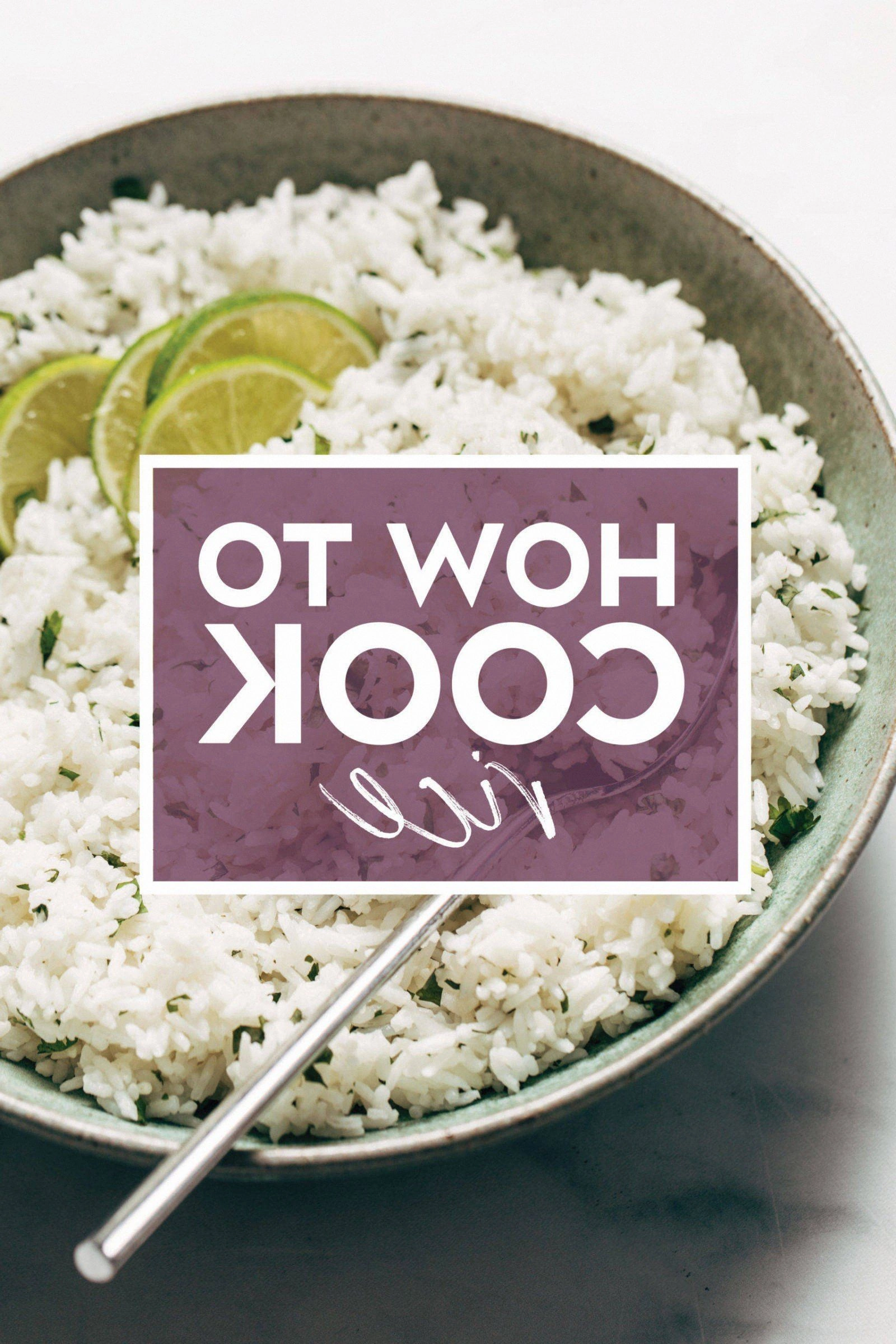
Start by measuring out 2 cups of long‑grain rice into a fine‑mesh strainer. Rinse the grains under cold running water for about 30 seconds, swirling with your hand until the water runs clear. This step is essential: the water will turn milky if you skip it, a warning sign that excess starch will cling to each grain later. Once rinsed, let the rice drain for a minute – you’ll hear that faint “whoosh” of water escaping, a promising sound that says you’re on the right track.
Grab a heavy‑bottomed pot with a tight‑fitting lid – I recommend a 3‑quart pot for this amount. Add the rinsed rice and 2½ cups of cold water directly to the pot. Sprinkle the 1 tsp of salt over the top, then give everything a quick stir to distribute the salt evenly. At this point, the water should be just a shade above the rice level; if you see the water bubbling up too high, you’ve added too much – a quick dip of your finger can gauge the level.
Place the pot over medium‑high heat and bring the mixture to a rolling boil. You’ll notice tiny bubbles forming along the sides, and a faint hiss as steam escapes. As soon as a vigorous boil appears, lower the heat to a gentle simmer and immediately cover the pot with the lid. This is where the magic begins. The lid must seal tightly; any steam escaping will disrupt the absorption process.
Kitchen Hack: Reduce the flame to the lowest setting that still maintains a gentle simmer – a whisper of bubbles is all you need. This prevents the water from evaporating too quickly.Set a timer for 12 minutes and let the rice do its thing. You’ll hear a faint, rhythmic “popping” sound as the water bubbles against the grains – that’s the absorption phase. Resist the urge to lift the lid; every peek releases steam and can cause uneven cooking. Trust the timer, and trust the process.
When the timer dings, turn off the heat but keep the lid on. Let the pot sit undisturbed for another 5 minutes. During this stage, the residual heat finishes the cooking, and the steam inside the pot gently re‑hydrates any grains that might be a shade too dry. This is pure, unadulterated rice perfection in the making.
Now comes the butter (or oil) finale. Remove the lid, fluff the rice gently with a fork to separate the grains, then add 1 tablespoon of unsalted butter. Watch as the butter melts into the warm rice, coating each grain like a glossy veil. If you’re using oil, drizzle it evenly and give the rice a quick toss. The aroma at this point is intoxicating – a buttery perfume that makes the kitchen feel like a five‑star bistro.
Optional but highly recommended: sprinkle a tablespoon of toasted sesame seeds over the top. The seeds should be golden‑brown, with a faint nutty scent that pops when they hit the warm rice. This step adds a subtle crunch and a visual contrast that makes the dish look polished.
Finally, give the rice one last gentle fluff with a fork, then cover the pot with a clean kitchen towel before resealing the lid. Let it sit for another 2 minutes – this final steam‑trap ensures the grains stay fluffy and prevents them from drying out while you serve. And now, the fun part: scoop a generous mound onto a serving bowl, inhale the steam, and marvel at the perfectly separated grains.
Watch Out: If you over‑cook the rice beyond the 12‑minute simmer, the grains will burst and turn mushy. Keep a close eye on the timer.
That's it — you did it. But hold on, I've got a few more tricks that'll take this to another level…
Insider Tricks for Flawless Results
The Temperature Rule Nobody Follows
Most home cooks think “high heat = faster cooking”. In reality, a gentle simmer preserves the integrity of each grain. Keep the flame low enough that only a few bubbles break the surface. If you notice the water evaporating too quickly, drop the heat a notch. This rule alone can turn a soggy mess into a pristine, fluffy side.
Why Your Nose Knows Best
When the rice is done, you’ll detect a faint toasted aroma, especially if you used butter. If the scent is still raw or watery, give it an extra minute of off‑heat steaming. Your nose is the most reliable thermometer – trust it over your eyes.
The 5‑Minute Rest That Changes Everything
That short rest after turning off the heat is not optional. It allows the steam trapped inside the pot to finish cooking the interior grains without over‑cooking the exterior. Skipping this step leads to a dry top layer and a gummy center. I’ve seen friends skip it and end up with a “crust” on their rice – not the kind you want.
Butter vs. Oil – The Debate Settled
If you love a buttery richness, go for unsalted butter and add it right after the rest phase. For a lighter, more neutral profile, use a high‑smoke‑point oil like grapeseed. The key is to add the fat after the rice is fully cooked; mixing it in too early can cause the grains to slip and become slick.
Scaling Up Without Losing Quality
Planning a dinner for a crowd? Double the rice and water, but keep the same 1:1.25 ratio. The pot size matters – a larger pot prevents overcrowding, which can cause uneven steam distribution. I once tried cooking 8 cups of rice in a small saucepan; the result was a soggy swamp. Lesson learned: always give the grains room to breathe.
Creative Twists and Variations
This recipe is a playground. Here are some of my favorite ways to switch things up:
Herb‑Infused Rice
Swap the plain water for chicken broth and add a handful of chopped fresh parsley and a teaspoon of dried thyme before cooking. The herbs seep into each grain, turning the side into an aromatic companion for roasted chicken.
Coconut Lime Rice
Replace half the water with coconut milk and add the zest of one lime after the butter finishes melting. The result is a fragrant, slightly sweet rice that pairs beautifully with Thai curries or grilled shrimp.
Spicy Saffron Rice
Stir in a pinch of saffron threads (soaked in a tablespoon of warm water) and a dash of cayenne pepper before the simmer. The saffron gives a golden hue while the heat adds a subtle kick – perfect for a Middle Eastern mezze spread.
Garlic‑Butter Rice
Before adding the butter, sauté two minced garlic cloves in the butter for 30 seconds, then pour the fragrant butter over the cooked rice. The garlic infuses the grains with a savory depth that makes the side almost a main dish.
Veggie‑Packed Pilaf
After the rice is cooked, stir in a cup of sautéed peas, carrots, and diced bell peppers. The vegetables add color, texture, and a nutritional boost, turning the rice into a complete one‑pot meal.
Nutty Brown Rice Upgrade
Use brown rice instead of white, but increase the water to 3 cups and extend the simmer to 20 minutes. Finish with toasted almond slivers and a drizzle of sesame oil for a hearty, nutty side.
Storing and Bringing It Back to Life
Fridge Storage
Transfer the cooled rice to an airtight container and store it in the refrigerator for up to three days. The sealed environment prevents the rice from drying out, and the flavors meld even further.
Freezer Friendly
Portion the rice into freezer‑safe bags, flatten them for even freezing, and store for up to two months. When you’re ready to use it, thaw overnight in the fridge or run the bag under warm water for a quick thaw.
Best Reheating Method
Place the desired amount of rice in a microwave‑safe bowl, add a splash (about 1 tablespoon per cup) of water, cover loosely with a damp paper towel, and heat on high for 1‑2 minutes, stirring halfway. The added moisture creates steam that revives the fluffy texture without sogginess.