It started on a rainy Tuesday when I was scrambling to rescue a batch of overcooked chicken that had turned into a dry, flavorless slab. I stared at the pan, feeling the frustration of a kitchen disaster that could have been avoided with just the right sauce. That moment sparked a daring experiment: what if the chicken could be smothered in a velvety, mushroom‑cream sauce that turns every bite into a savory hug? I dove into the pantry, grabbed my trusty cream of mushroom soup, and set the table for a culinary rescue mission.
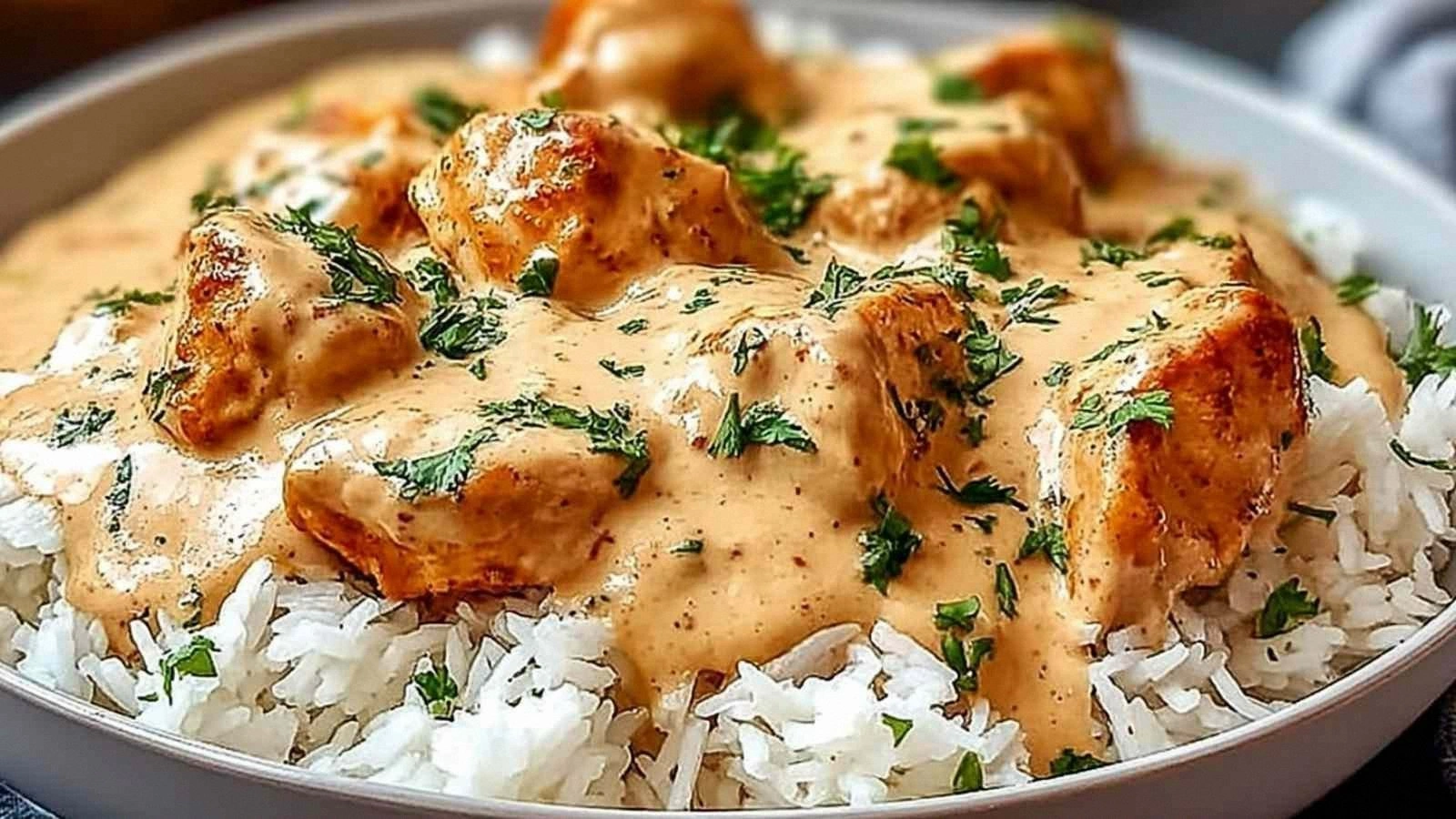
Imagine a dish where the chicken is coated in a silky sauce that clings like a second skin, each strand of rice soaked in savory broth that sings with thyme and paprika. The aroma rises as the pan sizzles, a warm invitation that turns a plain meal into a comforting hug. The texture is a delightful contrast: tender chicken, creamy sauce, and fluffy rice that swallows the flavors. If you’ve ever struggled with bland chicken, this version will feel like a secret weapon that turns the ordinary into extraordinary.
What makes this recipe a game‑changer is not just the ingredients but the method. I discovered that a quick sear followed by a gentle simmer with cream of mushroom soup creates a sauce that coats the chicken like velvet, while the rice absorbs the broth for a depth of flavor that’s hard to beat. I dare you to taste this and not go back for seconds; the combination of umami, herbs, and that subtle sweetness from the onions will have you reaching for more. Picture yourself pulling this out of the pan, the kitchen smelling incredible, and everyone asking how you did it.
So, let’s walk through every single step. By the end, you’ll wonder how you ever made it any other way. I’ll share the technique that keeps the sauce from separating, the timing that locks in moisture, and the little hacks that save time and effort. Ready? Let’s dive into the ultimate smothered chicken and rice experience.
What Makes This Version Stand Out
- Taste: The sauce balances savory mushroom, salty soy, and bright thyme, creating a flavor profile that feels both comforting and adventurous.
- Texture: The chicken remains juicy while the sauce clings like a silky blanket; the rice is fluffy yet fully infused.
- Simple Ingredients: Only 10 key items, all pantry staples you likely already have.
- Versatility: Works as a quick weeknight dinner or a crowd‑pleaser at gatherings.
- Make‑ahead Potential: The dish can be prepared ahead of time and reheated without losing its charm.
- Time‑Efficient: Prep is just 15 minutes; cooking takes 30 minutes, all under the stove.
- Visual Appeal: The golden brown edges of the chicken contrast beautifully with the creamy sauce.
- Audience Response: Friends and family swear this is the best smothered chicken they’ve ever tasted.
Alright, let's break down exactly what goes into this masterpiece…
Inside the Ingredient List
The Flavor Base
The low‑sodium chicken broth is the backbone of the sauce, providing a subtle savory foundation that lets the other flavors shine. If you’re short on broth, a splash of water with a pinch of salt will work, but you’ll miss that depth. The soy sauce adds umami and a hint of saltiness; use low‑sodium soy if you’re watching sodium intake. A dash of paprika brings warmth and a mild peppery note, while the dried thyme lends an earthy aroma that elevates the dish.
The Texture Crew
The cream of mushroom soup is the secret to that silky coating; it thickens the sauce and gives it body. The rice, when cooked in the broth, absorbs all the flavors and becomes the perfect canvas for the sauce. If you prefer a firmer bite, use short‑grain rice; for fluffier results, long‑grain rice is ideal. A pinch of black pepper adds a subtle bite that balances the sweetness of the onions.
The Unexpected Star
The garlic and onion are the unsung heroes that bring the dish together. Fresh garlic provides a punch of flavor that cuts through the richness, while the onion offers sweetness and depth. If you’re a garlic purist, double the cloves; if you’re sensitive, reduce to one clove. These aromatics are sautéed first, forming the flavor base before the sauce is introduced.
The Final Flourish
The chicken breasts are the star of the show, and their quality matters. Look for fresh, skinless breasts that are firm to the touch. Season them with salt, pepper, and paprika before searing. The sear creates a caramelized crust that locks in juices, ensuring each bite is succulent. If you’re short on time, use pre‑cooked chicken for a faster version, but the flavor will differ.
Everything's prepped? Good. Let's get into the real action…
The Method — Step by Step
- Pat the chicken breasts dry with paper towels. Season both sides generously with salt, pepper, and paprika. This step is crucial; it creates a flavor base that will carry through the sauce. Let the seasoned chicken rest for 5 minutes to absorb the spices.
- Heat a large skillet over medium‑high heat and add a tablespoon of oil. Once the oil shimmers, place the chicken breasts skin‑side down (if they had skin) and sear for 4–5 minutes until golden brown. Flip and sear the other side for 3–4 minutes. The sear locks in juices and creates a caramelized crust. Watch the edges; they should pull away from the pan when ready.
- Remove the chicken and set aside. In the same skillet, reduce heat to medium and add a tablespoon of butter. This butter will carry the garlic and onion flavors. It also prevents sticking and adds richness.
- Add the minced garlic and diced onion to the pan. Sauté until the onion is translucent and the garlic is fragrant—about 2–3 minutes. The aroma rising from the skillet should make your mouth water. Be careful not to burn the garlic; stir constantly.
- Pour in the low‑sodium chicken broth and stir, scraping up any browned bits from the bottom of the pan. These bits are full of flavor and will deepen the sauce. Let the broth come to a gentle simmer for 2 minutes.
- Stir in the cream of mushroom soup and soy sauce. Mix until the soup is fully incorporated and the sauce thickens slightly. This is the moment of truth; the sauce should have a glossy, velvety appearance.
- Return the seared chicken breasts to the skillet, nestling them into the sauce. Reduce heat to low, cover, and let the chicken simmer for 12–15 minutes, or until it reaches an internal temperature of 165 °F. The sauce will thicken further, coating the chicken beautifully.
- While the chicken cooks, bring a pot of salted water to a boil. Add the rice, reduce heat to low, cover, and simmer for 18 minutes, or until the rice is tender and the liquid is absorbed. Fluff the rice with a fork and set aside.
- Once the chicken is done, remove the skillet from heat. Let it rest for 5 minutes; this allows the juices to redistribute. Meanwhile, stir the cooked rice into the sauce, ensuring every grain is coated.
- Serve the smothered chicken over a generous bed of the sauce‑laden rice. Garnish with fresh thyme or chopped parsley if desired. The dish should feel warm, comforting, and utterly satisfying.
That's it — you did it. But hold on, I've got a few more tricks that'll take this to another level…
Insider Tricks for Flawless Results
The Temperature Rule Nobody Follows
Many cooks over‑heat the skillet, causing the sauce to scorch. I keep the heat medium‑low during the simmering phase. This ensures the sauce reduces slowly, maintaining its silky texture and preventing bitterness.
Why Your Nose Knows Best
If the sauce smells slightly bitter, it’s probably over‑cooked. Trust your nose: a faint, buttery aroma signals a perfect sauce. Adjust the heat if you notice a burnt smell.
The 5‑Minute Rest That Changes Everything
Letting the chicken rest after cooking allows the juices to redistribute. Cutting into it immediately results in dry meat. I always set it aside for 5 minutes before slicing.
Keep It Moist With a Splash
If you’re reheating leftovers, add a tablespoon of water or broth before warming. This steams the dish back to its original moistness and prevents the sauce from drying out.
Use Fresh Herbs for a Burst
Adding fresh thyme at the end of cooking gives a bright, aromatic finish. If you’re using dried thyme, sprinkle it in earlier to allow the flavors to bloom fully.
The Final Touch of Butter
A small pat of butter stirred into the sauce at the end adds a glossy sheen and a richer mouthfeel. It’s a simple step that elevates the dish from good to unforgettable.
Creative Twists and Variations
This recipe is a playground. Here are some of my favorite ways to switch things up:
Cheesy Creamy Delight
Stir in a cup of shredded cheddar or mozzarella during the last 5 minutes of simmering. The cheese melts into the sauce, adding a gooey, indulgent texture that pairs perfectly with the chicken.
Spicy Kick
Add a teaspoon of red pepper flakes or a dash of hot sauce to the sauce. The heat balances the richness and gives the dish a lively edge.
Vegetable Boost
Sauté sliced carrots, bell peppers, or peas with the garlic and onion. The veggies add color, crunch, and a nutritional boost without overpowering the sauce.
Herb‑Infused Rice
Cook the rice in broth infused with rosemary or bay leaves. After cooking, discard the herbs and enjoy rice that carries a fragrant, herbal undertone.
Lemon‑Zest Finish
Finish the sauce with a squeeze of fresh lemon juice and a sprinkle of zest. The citrus brightens the dish and cuts through the creaminess.
Pesto Swirl
Stir in a spoonful of basil pesto at the end. It adds a fresh, herbaceous note that contrasts nicely with the mushroom sauce.
Storing and Bringing It Back to Life
Fridge Storage
Cool the dish completely, then transfer the chicken and rice separately into airtight containers. Store in the refrigerator for up to 3 days. The sauce may thicken slightly; reheat gently on the stove with a splash of broth to restore its silky texture.
Freezer Friendly
For longer storage, freeze the chicken and rice in separate freezer‑safe bags. They’ll keep well for up to 2 months. Thaw overnight in the fridge, then reheat as described for fridge storage.
Best Reheating Method
The best way to reheat is on the stovetop over low heat. Add a tablespoon of water or broth, stir, and cover until warmed through. This method preserves moisture and prevents the sauce from drying out.