It was a Tuesday night, the kind of night that feels like a recipe roulette—your fridge is a mystery box, and your taste buds are on a dare. I opened the back door of my kitchen, expecting the usual bland leftovers, only to stumble upon a half‑baked batch of chicken breasts that had forgotten how to stay juicy. The air smelled faintly of yesterday’s garlic and a whisper of cilantro that I’d left in the fridge, and I thought, “This is a disaster waiting for a miracle.”
The moment I sliced a piece, the aroma exploded like a fireworks show in a quiet town. The bright green of fresh cilantro clashed with the deep amber of lime juice, while the olive oil glistened like a polished stone. The sound was a satisfying sizzle, a rhythmic drumbeat that promised flavor. My senses were in overdrive—taste, texture, and the anticipation of something that would turn a kitchen mishap into a culinary triumph.
This version of cilantro lime chicken with avocado is not just another recipe; it’s a manifesto that says “don’t settle for bland.” It marries the zesty bite of lime with the earthy punch of cumin and the subtle heat of garlic powder, all while keeping the chicken tender and the avocado salsa silky. The balance is so precise that even the most seasoned chefs will find themselves reaching for a second plate. It’s a dish that turns ordinary ingredients into a showstopper.
I’ll give you a hint: the key to this masterpiece isn’t just in the ingredients; it’s in the way you layer flavors and textures. I dare you to taste this and not go back for seconds. Picture yourself pulling this out of the pan, the whole kitchen smelling incredible, and the first bite sending a wave of citrus and creamy avocado over your palate. Let me walk you through every single step—by the end, you’ll wonder how you ever made it any other way.
What Makes This Version Stand Out
- Flavor: The blend of lime, cilantro, and cumin creates a bright, herbaceous profile that cuts through the richness of the chicken, making each bite feel fresh and alive.
- Texture: The chicken’s exterior crisps to a golden crust while the interior stays succulently juicy, and the avocado salsa adds a creamy, velvety contrast that melts in your mouth.
- Ingredient Quality: Using only the freshest cilantro and ripe avocados ensures that the natural flavors shine, avoiding the flatness that often plagues mass‑produced sauces.
- Time Efficiency: The entire meal takes less than an hour from start to finish, making it an ideal weeknight dinner that feels like a special occasion.
- Make‑Ahead Potential: The chicken can be marinated ahead of time, and the avocado salsa can be prepared up to an hour before serving, freeing up kitchen time when you’re under pressure.
- Crowd Appeal: Even the most skeptical diners—those who think cilantro is a flavor bomb—will be won over by the balanced citrus and the buttery avocado.
- Health Conscious: Packed with protein, healthy fats, and a burst of micronutrients, it’s a dish that satisfies both the appetite and the wellness goals.
- Visual Impact: The bright green of cilantro and avocado against the golden chicken creates a plate that’s Instagram‑ready and mouth‑watering.
Alright, let’s break down exactly what goes into this masterpiece…
Inside the Ingredient List
The Flavor Base
The cornerstone of this dish is the lime‑cilantro vinaigrette that coats the chicken. The lime juice is the hero, providing acidity that not only brightens the flavor but also helps tenderize the meat by breaking down proteins. Cilantro adds a fresh, almost citrusy note that pairs perfectly with the lime, while cumin brings a warm, earthy undertone. Together, they create a complex flavor profile that lingers on the tongue.
Skipping the lime would leave the dish flat and overly heavy. The citrus acidity is essential for cutting through the richness of the chicken and avocado. If you’re allergic to cilantro, a handful of fresh parsley can serve as a suitable replacement, though the flavor profile will shift slightly toward a more herbal tone. The key is to maintain that bright, zesty base to keep the dish lively.
When selecting limes, go for ones that feel heavy for their size and have a fragrant, green rind. A good lime will release more juice and have a vibrant, slightly tart flavor. Avoid any that feel soft or have blemishes; they’re likely overripe and will produce a bitter taste. For the best results, juice the limes fresh, as bottled lime juice often contains preservatives that alter the flavor.
The Texture Crew
The chicken breasts are the star that carries the entire flavor experience. They should be boneless and skinless to ensure even cooking and a tender bite. Seasoning them with olive oil, garlic powder, and cumin creates a flavorful crust that locks in moisture. The olive oil also acts as a medium for the spices, ensuring an even distribution of flavor.
If you prefer a leaner cut, you can trim the fat from the chicken breasts before marinating. However, the small amount of fat left in the meat adds moisture and flavor during cooking. For those who love a crunch, consider searing the chicken in a hot cast‑iron skillet for a minute on each side before finishing it in the oven; the Maillard reaction will produce a caramelized crust that adds texture and depth.
The chicken should be cooked to an internal temperature of 165°F (74°C). Use a meat thermometer to ensure doneness; overcooking will result in dry meat that loses the succulent quality this recipe aims for. Allow the chicken to rest for 5 minutes after removing it from the heat—this helps redistribute the juices and keeps each bite moist.
The Unexpected Star
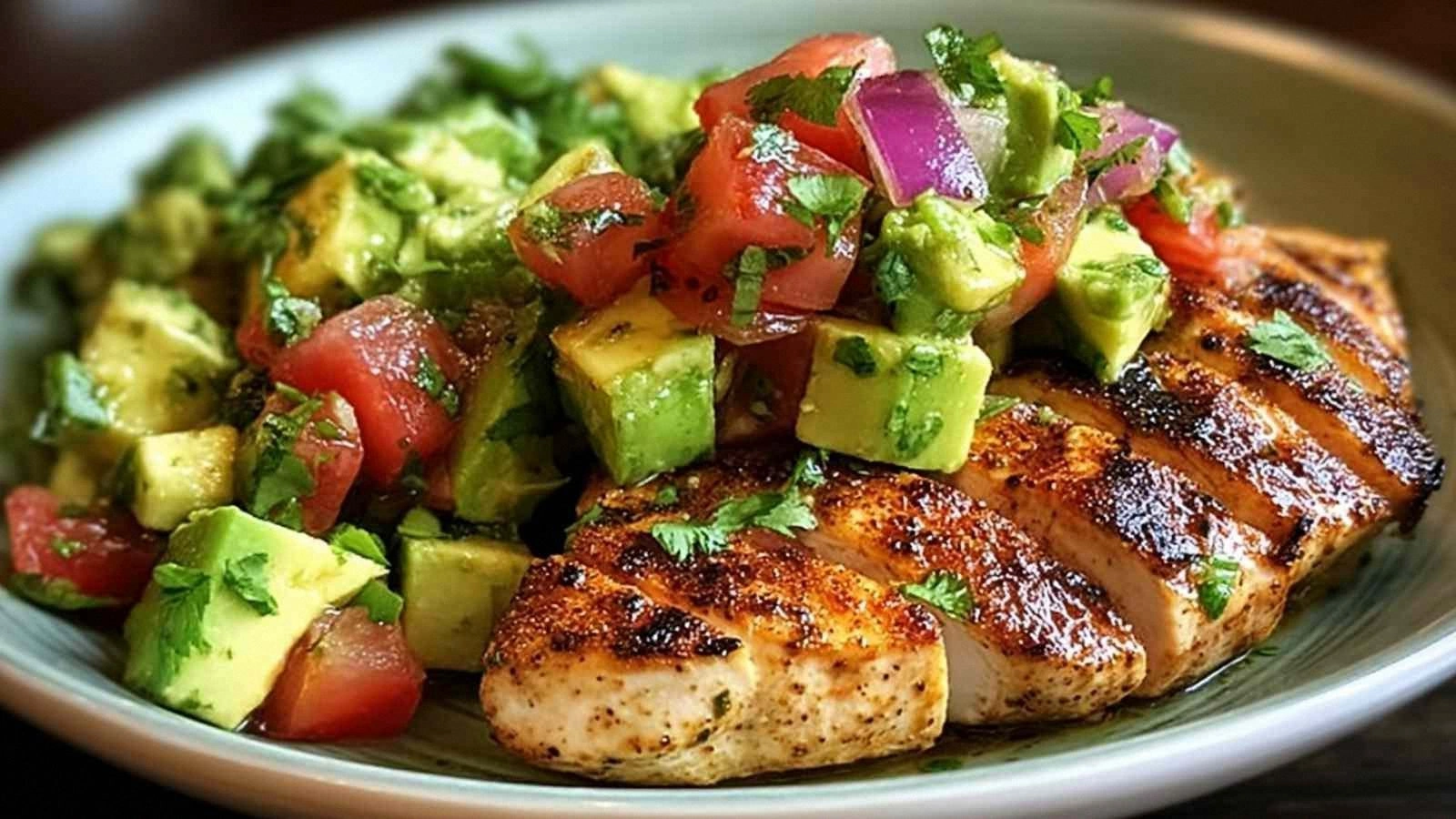
The avocado salsa is where the dish truly shines. Ripe avocados, diced and gently folded with diced tomato, red onion, and a splash of lime juice, create a creamy, refreshing counterpoint to the spicy chicken. The avocado’s natural oils provide a silky texture that coats the palate, while the tomato adds a burst of acidity and the onion delivers a subtle crunch.
If you’re not a fan of raw onions, you can lightly sauté them until they soften; this will give the salsa a sweeter, milder flavor. Some people enjoy adding a pinch of smoked paprika or a dash of hot sauce to the salsa for an extra layer of complexity. Remember, the avocado should be ripe but not mushy; it should hold its shape when diced.
The salsa is best served at room temperature, as cold avocados can become firm and less creamy. If you need to prepare it ahead of time, sprinkle a little lime juice over the diced avocado to prevent oxidation and keep it bright green. The salsa will keep for about an hour in the refrigerator if covered with plastic wrap.
The Final Flourish
Finishing touches include a generous sprinkle of fresh cilantro and a squeeze of lime over the chicken and salsa before plating. This final burst of citrus brightens the dish and enhances the aroma, making each bite feel freshly made. The salt and pepper are essential for bringing out the flavors, but they should be added in moderation to avoid overpowering the delicate balance.
The final flourish is also a visual cue; the green of cilantro and avocado against the golden chicken creates a plate that is as pleasing to the eye as it is to the palate. This contrast is a simple but powerful way to elevate the dish’s presentation, turning a humble dinner into a showstopper.
Everything’s prepped? Good. Let’s get into the real action…
The Method — Step by Step
- First, combine the juice of two limes, 1/4 cup of finely chopped cilantro, 2 tablespoons of olive oil, 1 teaspoon of garlic powder, and 1 teaspoon of cumin in a shallow bowl. Whisk until the oil emulsifies with the lime and cilantro, creating a bright, fragrant vinaigrette. This mixture will serve as the marination base that infuses the chicken with flavor. The citrus will also help break down the proteins, keeping the meat tender.
- Pat the chicken breasts dry with paper towels, then season them with salt and pepper. Pour half of the vinaigrette over the chicken, ensuring each piece is well coated. Let the chicken marinate for at least 15 minutes—if you’re pressed for time, 10 minutes will still deliver great flavor. For a deeper infusion, cover and refrigerate for up to 2 hours.
- Preheat your oven to 425°F (220°C). While the oven heats, heat a large oven‑safe skillet over medium‑high heat and add a splash of olive oil. Once the oil shimmers, place the marinated chicken breasts in the skillet, skin side down if applicable. Sear for 2–3 minutes until a golden crust forms; this step adds depth and a pleasant crunch.
- Flip the chicken breasts, drizzle the remaining vinaigrette over them, and transfer the skillet to the preheated oven. Bake for 12–15 minutes, or until the internal temperature reaches 165°F (74°C). The high heat will caramelize the surface, creating a savory crust that locks in juices.
- While the chicken cooks, prepare the avocado salsa. Dice two ripe avocados, one ripe tomato, and a small red onion finely. In a bowl, gently toss the diced ingredients with the juice of one lime, a pinch of salt, and a handful of chopped cilantro. The lime not only adds brightness but also helps prevent the avocados from browning.
- Once the chicken is done, remove the skillet from the oven and let the chicken rest for 5 minutes. This resting period allows the juices to redistribute, ensuring every bite remains juicy and flavorful. While the chicken rests, give the salsa a quick stir to redistribute the lime juice.
- Slice the chicken breasts into strips or serve whole, depending on your presentation preference. Spoon a generous portion of the avocado salsa over the chicken, then garnish with extra cilantro leaves and a wedge of lime on the side. The fresh cilantro adds a final burst of color and aroma.
- Serve immediately with a side of rice, quinoa, or a simple green salad. The dish’s bright, zesty flavor pairs beautifully with neutral grains that soak up the juices. If you’re in a rush, you can also plate the chicken and salsa separately and let diners assemble their own bites.
That’s it — you did it. But hold on, I've got a few more tricks that'll take this to another level…
Insider Tricks for Flawless Results
The Temperature Rule Nobody Follows
Many people think a quick sear is enough, but the secret lies in the oven temperature. Baking at 425°F (220°C) ensures a caramelized exterior while preventing the chicken from drying out. The high heat also helps the spices penetrate the meat more deeply, creating a uniform flavor profile. If you’re using a convection oven, lower the temperature by 25°F to avoid over‑browning.
Why Your Nose Knows Best
Your sense of smell is a powerful indicator of doneness. As the chicken cooks, the aroma shifts from raw to a warm, nutty scent. When the smell becomes slightly sweet and fragrant, that’s a good sign the juices are locking in. Trust your nose; it’s a reliable cue that the chicken is ready to come out of the oven.
The 5-Minute Rest That Changes Everything
Resting the chicken after cooking is not just a suggestion—it’s essential for texture. During the rest period, the juices redistribute from the center to the edges, resulting in a more succulent bite. Skipping this step will leave the meat dry and less flavorful. Keep the chicken covered loosely with foil to retain heat without steaming.
The Secret of the Cilantro
Fresh cilantro is key, but if you’re in a pinch, a handful of dried cilantro can work, though the flavor will be more muted. To maximize the herb’s potency, crush the leaves between your fingers before adding them to the vinaigrette; this releases essential oils that enhance the overall aroma. A pinch of dried oregano can also add a subtle depth without overpowering the citrus.
The Lime Juice Balance
Too much lime can make the dish overly acidic, while too little will leave it flat. A good rule of thumb is one lime per chicken breast for the marination and an additional half lime for the salsa. If you’re using lime juice from a bottle, reduce the quantity by 25% to avoid a chemical taste.
The Avocado’s Sweet Spot
Avocado should be ripe but firm; a soft avocado will break apart and become mushy in the salsa. Press the avocado gently with your fingers; it should yield slightly but not feel mushy. If you’re unsure, test with a knife—if the flesh slides easily, it’s overripe.
Creative Twists and Variations
This recipe is a playground. Here are some of my favorite ways to switch things up:
Grilled Pineapple Salsa
Swap the tomato for diced grilled pineapple and add a handful of chopped jalapeño. The sweet and spicy combination elevates the dish, making it perfect for summer barbecues. Serve over grilled corn tortillas for a handheld treat.
Chipotle‑Infused Chicken
Replace the cumin with chipotle powder and add a splash of adobo sauce. The smoky heat pairs beautifully with the creamy avocado, creating a bold flavor profile. Pair with a side of black beans for a hearty meal.
Mediterranean Twist
Add a tablespoon of feta cheese to the avocado salsa and sprinkle with oregano. This variation introduces a salty, tangy element that complements the lime. Serve with warm pita bread for a Mediterranean flair.
Asian‑Inspired Version
Replace the cilantro with fresh basil and add a teaspoon of sesame oil to the vinaigrette. Toss in sliced bell peppers and a drizzle of soy sauce. This version works well over jasmine rice and offers a sweet‑savory balance.
Breakfast Take‑Off
Serve the chicken and avocado salsa over a bowl of scrambled eggs, topped with a sprinkle of cheese. The dish becomes a protein‑packed breakfast that’s both satisfying and flavorful. Add a side of fresh fruit for a balanced meal.
Low‑Carb Edition
Omit the rice or quinoa and serve the chicken with a side of sautéed spinach or roasted cauliflower. The avocado salsa remains the star, providing healthy fats and a creamy texture. This version keeps the calorie count low while maintaining flavor.
Storing and Bringing It Back to Life
Fridge Storage
Store the cooked chicken in an airtight container for up to 3 days. Keep the avocado salsa separate in a sealed container; add a splash of lime juice before covering to prevent browning. When ready to serve, reheat the chicken in a skillet over medium heat, adding a splash of water or broth to keep it moist.
Freezer Friendly
Freeze the chicken in a single layer on a baking sheet before transferring to a freezer bag; this prevents clumping. The salsa can be frozen for up to 2 weeks, though the texture may soften slightly. Thaw overnight in the fridge and gently reheat on the stovetop, adding a few drops of lime juice to revive the flavor.
Best Reheating Method
Reheat the chicken and salsa together in a skillet, stirring occasionally until warmed through. Add a small splash of water or broth to keep the chicken from drying out. Finish with a fresh squeeze of lime and a sprinkle of cilantro to restore the dish’s bright, fresh profile.