I still remember the first time I tried to make Caesar dressing at home. I was twenty-three, armed with a flimsy whisk, a jar of anchovy paste that smelled like the bottom of the ocean, and an overinflated sense of confidence. What followed was an oily, separated disaster that tasted like I’d blended a fish market with a bottle of canola oil. I dumped the whole gloppy mess down the sink, ordered takeout, and swore off homemade dressing forever. Fast-forward a decade, and here I am, practically evangelizing about a cottage-cheese Caesar so creamy, so tangy, so ridiculously fool-proof that I keep a jar of it in my fridge at all times. If you’ve ever felt betrayed by a traditional emulsion, consider this your redemption arc.
The magic started on a sweltering July afternoon when my air-conditioning died mid-heat-wave and the idea of standing over a stove was as appealing as a root canal. I wanted the garlicky, lemony, umami punch of Caesar, but I also wanted to keep all my clothes on. Cottage cheese caught my eye because it’s basically a ready-made creamy base that just begs to be whizzed into silk. One whirl in the blender and—bam—velvet city. No raw yolk anxiety, no “slowly drizzle while your arm falls off” nonsense, no $15 wedge of Parm that evaporates in two shakes. Just pure, chilled, scoopable perfection that clings to romaine like a hug from an old friend.
Let me be brutally honest here: I ate half the first batch straight from the food processor bowl, standing in my socks, fridge door still open. I wasn’t proud, but I also wasn’t sorry. When my neighbor swung by for a socially distanced coffee and I offered her a taste on a lone crudité stick, her eyes went cartoon-wide. She demanded the recipe on the spot, then texted me at 1 a.m. that night saying she’d made a double batch and her teenage son was dunking pizza crusts in it. That’s the moment I knew this wasn’t just another dressing; it was a movement.
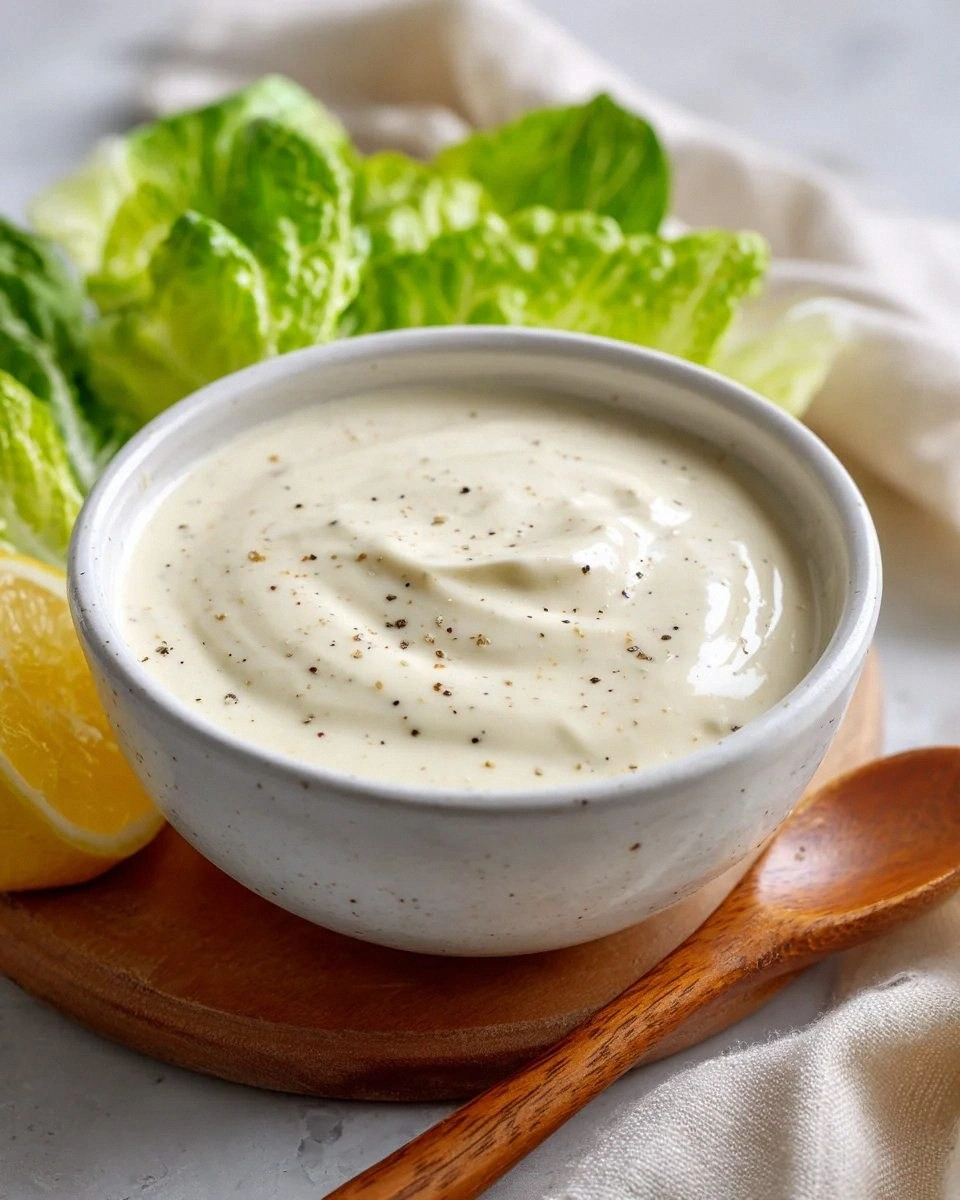
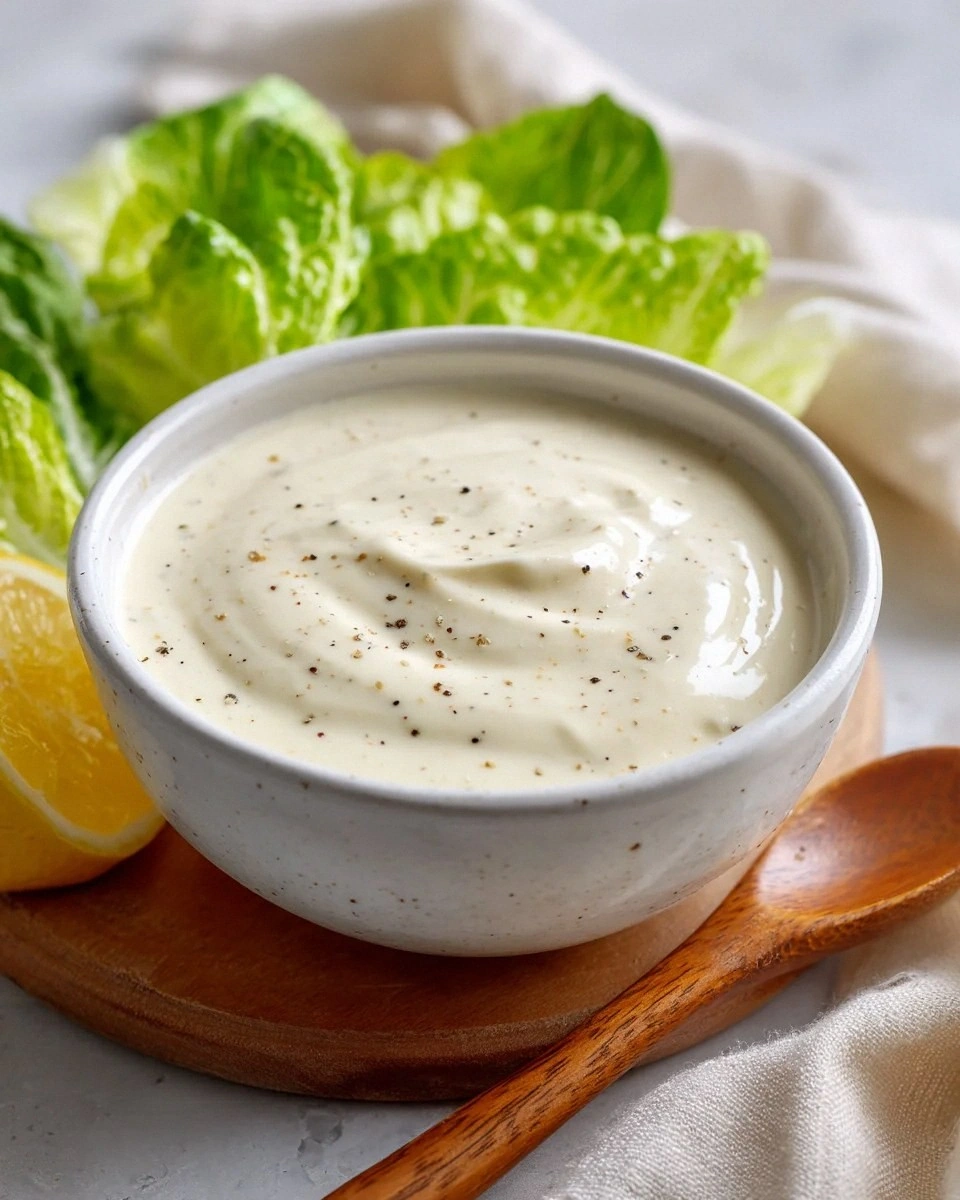
Picture this: You pull the blender pitcher from the fridge, the dressing inside as thick as Greek yogurt but lighter than clouds. You drag a crisp romaine leaf through it and the dressing coats every ridge, every cranny, without sliding off in an oil slick. One bite and you get lemon brightness first, then that whisper of Worcestershire depth, the nutty Parm, and finally the mellow garlic that lingers just long enough to make you reach for another leaf—and another. Stay with me here—this next part? Pure magic.
What Makes This Version Stand Out
Creamy Without the Calorie Bomb: Traditional Caesars rely on cupfuls of oil and egg yolks; we swap in protein-rich cottage cheese and a modest splash of heart-healthy olive oil. You’ll slash calories, boost satiety, and still feel like you’re eating something indulgent.
One-Minute Emulsion: Forget the wrist-cramping whisk. Everything blitzes in a blender while your lettuce is still drying in the salad spinner. The cottage cheese emulsifies instantly, giving you that glossy sheen without the drama.
Make-Ahead MVP: This dressing actually improves after a nap in the fridge. Flavors mingle, garlic softens, and the texture thickens to dreamy. I routinely make it on Sunday and it powers my salads, wraps, and midnight snack attacks all week long.
Pantry-Friendly: No anchovies? No problem. Worcestershire delivers all the funky depth you crave. No fresh garlic? Garlic powder steps in without the harsh bite that can bulldoze the other flavors.
Kid-Approved, Guest-Impressing: Little ones love the mild, cheesy notes; adults pick up the lemon-pepper sparkle. Serve it at a potluck and watch people chase you down for the secret. (Tell them or keep it—your call.)
Texture That Hugs: Because cottage cheese is already curdled and blended smooth, it grabs lettuce leaves like a velvet coat, no puddles at the bottom of the bowl.
Endlessly Customizable: Want it herby? Add dill or chives. Craving heat? Chipotle powder. Prefer vegan? Trade cottage for silken tofu and up the nutritional yeast. The base is forgiving and ready to party.
Alright, let’s break down exactly what goes into this masterpiece...
Inside the Ingredient List
The Flavor Base
Cottage cheese is the undercover superhero you never saw coming. Look for the 2% milkfat variety; it whips up silkier than 4% and tastes richer than 0%. The curds vanish under the blender blades, leaving behind a blank canvas that gladly soaks up lemon, Worcestershire, and garlic. Skip the fat-free stuff—it tastes thin and slightly metallic, like licking a battery. If you only have full-fat, blitz it an extra ten seconds with an ice cube; the chill tightens the texture and keeps it from tasting greasy.
Almond milk might seem like an odd passenger, but it loosens the cottage cheese to a pourable consistency without watering down flavor. Use unsweetened, unflavored—vanilla almond milk in Caesar is the fastest route to dessert dressing disaster. Oat milk works in a pinch, but it can mute the brightness; if you go that route, add an extra teaspoon of lemon to wake everything up.
The Texture Crew
Light olive oil gives body and gloss without the aggressive peppery bite of extra-virgin. You want the dressing to taste like Caesar, not like you’re chewing on a branch. Measure it; eye-balling leads to oil slicks that separate faster than high-school couples at prom. Avocado oil is a fine swap, but avoid coconut oil unless you want your salad to remind you of sunscreen.
Lemon juice is your built-in safety light. It brightens, balances salt, and keeps the Parmesan from tasting like old socks. Freshly squeezed is non-negotiable—bottled juice has a flat, metallic edge that screams “I gave up.” Zest half the lemon before juicing; stir the zest in after blending for little sun-bursts of aroma.
The Unexpected Star
Worcestershire sauce is the clandestine anchovy substitute. It brings fermented tamarind, molasses, and a whisper of fishy funk without forcing you to mash tiny hairy fish. If you’re vegetarian, look for anchovy-free brands or sub in a dab of white miso plus a teaspoon of balsamic for the same umami depth. Don’t skip it; salt alone can’t replicate that haunting savoriness.
The Final Flourish
Parmesan cheese needs to be the real deal, not the powdery stuff in a green shaker. Pre-grated tubs are coated in cellulose that can give the dressing a gritty, saw-dusty mouthfeel. Buy a wedge and grate it fresh; you’ll use half as much because the flavor is ten times punchier. If budget’s tight, Grana Padano is a slightly milder but cheaper cousin that still delivers nutty crystals.
Dijon mustard is the silent emulsifier. It coats the proteins in the cottage cheese, helping everything bind smoothly. Plus, it adds a gentle heat that blooms at the back of your throat. Yellow mustard is too harsh; whole-grain is too chunky. Keep it smooth and velvety, just like your favorite jazz sax solo.
Garlic powder disperses more evenly than raw minced garlic, preventing those jarring spicy bombs that can hijack a bite. If you’re a card-carrying garlic fiend, you can add one small grated clove, but know that the flavor intensifies as the dressing chills. Err on the side of caution—your date tomorrow will thank you.
Everything’s prepped? Good. Let’s get into the real action...
The Method — Step by Step
-
Drag your blender onto the counter and plug it in like you mean business. Cottage cheese goes in first, cold from the fridge—temperature matters because the proteins emulsify better when they’re shocked by the lemon and oil. Pour in the almond milk, then snap the lid on and blitz for five seconds, just to loosen the curds into a loose slush. You’re not aiming for smooth yet; think of it as waking the cheese up from its nap.
-
Scrape down the sides with a silicone spatula—those little clingers will never blend themselves. Add lemon juice, Worcestershire, Dijon, garlic powder, salt, and a couple of confident twists of black pepper. Blend again for ten seconds. The mixture will pale and puff slightly as air whips in. That’s your cue that the acidity is already tightening the dairy proteins.
-
Now comes the oil. Here’s the game-changer: remove the center plug from the blender lid so you have a mini funnel. With the motor running on medium, slowly stream in the light olive oil; think pouring a thin ribbon, not dumping a waterfall. The dressing will thicken and take on a glossy sheen like melted ice cream. If you go too fast, the emulsion will break and look like cottage cheese floating in an oil slick—nobody wants that.
Kitchen Hack: If your blender doesn’t have a removable plug, add oil in three smaller glugs, blending ten seconds between each. The pause lets the proteins grab the fat properly. -
Shut the motor off and peek inside. You should see a thick, spoon-coating mixture that smells like Caesar heaven—lemon first, then cheesy nuttiness, then that whisper of garlic. Sprinkle in the Parmesan and dried parsley. Pulse three quick times; over-blending the cheese can make it gummy and stick to the blades like paste.
-
Taste, and this is critical: dip a lettuce leaf, not a spoon. Lettuce dilutes dressing; you want the flavor to pop even after it hits a bowl of cold romaine. Add more salt if it tastes flat, more lemon if it feels sleepy, a dash more Worcestershire if you crave depth. Remember, flavors mute when chilled, so go a hair stronger than you think you should.
Watch Out: Salt can take thirty seconds to dissolve in cold dairy. Wait before you double-salt, or tomorrow’s salad will taste like a salt lick. -
Transfer to an airtight jar, using a rubber spatula to get every last swipe. Press a piece of plastic wrap directly onto the surface to prevent a skin, then lid it. Refrigerate at least fifteen minutes to let the bubbles settle and the garlic bloom. The dressing will thicken to sour-cream levels and the color will turn snowy white—Instagram gold.
-
When you’re ready to serve, shake the jar like you’re mixing paint. The parsley will have hydrated and speckled the dressing like green confetti. If it feels too thick for your liking, thin with a teaspoon of cold water or milk and shake again. This is the moment of truth: drag romaine through it and watch the leaves emerge perfectly coated, no drip.
-
Leftovers? Twist that lid back on and park it in the coldest part of your fridge (usually the back lower shelf). It will stay luscious for up to five days, although in my house it rarely survives past Tuesday. I dare you to taste this and not go back for seconds—straight from the jar, standing in the glow of the fridge light at midnight.
That’s it—you did it. But hold on, I’ve got a few more tricks that’ll take this to another level...
Insider Tricks for Flawless Results
The Temperature Rule Nobody Follows
Every ingredient except the oil should be fridge-cold. Warm dairy plus warm lemon equals grainy separation no amount of praying will fix. If you just got back from the store, pop the cottage cheese and almond milk into the freezer for ten minutes while you prep the other items. Your future self will high-five you when the dressing stays satin-smooth for days. A friend tried skipping this once—let’s just say her jar looked like cottage cheese soup floating on top of an oil slick; even the dog turned up his nose.
Why Your Nose Knows Best
Smell your Worcestershire before you pour. If it reminds you of stale beer and old prunes, it’s oxidized and will drag the whole dressing down with it. A fresh bottle smells tangy, faintly sweet, and intriguingly funky—like a good story you want to hear more of. Same goes for garlic powder: if it’s been sitting above your stove for two years, it’s about as aromatic as sawdust. Replace pantry staples once a year and you’ll taste the difference instantly.
The 5-Minute Rest That Changes Everything
After blending, walk away for five minutes before you taste-adjust. Garlic powder blooms slowly; salt needs time to hydrate. I set a timer and wipe down the blender—multi-tasking that saves dishes and sanity. When you return, the dressing will taste rounder, deeper, and more restaurant-worthy. If you season hot off the motor, you’ll almost always overshoot and end up with a briney mess.
Parsley Timing Matters
Stir in the dried parsley after the blades stop. If you blend it, the flecks turn murky army-green and bleed moisture that thins your dressing. Stirring keeps them perky and confetti-bright. Fresh parsley works too—double the quantity and chop it just before folding in. The goal is visual pop, not vegetal mush.
Jar Swipe Economics
Use a narrow rubber spatula, not a spoon, to transfer the dressing. You’ll salvage an extra two tablespoons—that’s enough for tomorrow’s wrap or a sneaky midnight finger swipe. Over a year of batches, that adds up to an entire extra jar. Your grocery budget will thank you, and your midnight snack game will remain undefeated.
Creative Twists and Variations
This recipe is a playground. Here are some of my favorite ways to switch things up:
Smoky Chipotle Caesar
Swap the garlic powder for half chipotle powder and half smoked paprika. Add a teaspoon of adobo sauce for body and a fiery back-burn that pairs ridiculously well with grilled corn and black-bean salads. I dare you to try this on fish tacos—prepare for marriage proposals from dinner guests.
Avocado Goddess Caesar
Omit the olive oil and blend in half a ripe avocado instead. The color turns pale pistachio and the texture becomes so thick you can use it as a dip for sweet-potato fries. Bonus: the healthy fats keep you full longer, meaning you’re less likely to raid the cookie jar two hours later.
Lemon-Dill Seafood Drizzle
Replace dried parsley with fresh dill and add an extra teaspoon of lemon zest. Thin with water until pourable and spoon over seared salmon or grilled shrimp. The cottage cheese base keeps it light so the seafood remains the star, not a heavy cloak.
Everything-Bagel Caesar
Stir in a tablespoon of everything-bagel seasoning after blending. The poppy and sesame seeds add crunch, the dehydrated garlic amps up umami, and the slight saltiness means you can dial back the added salt. Slather it on a bagel sandwich with tomato and smoked turkey—lunchtime nirvana.
Green-Goddess Power Boost
Throw in a handful of baby spinach and half a scallion before you add the oil. The dressing turns emerald and you’ve basically hidden a salad in your salad dressing. Kids think it’s St. Patrick’s Day year-round and slurp it up without realizing they’re eating greens. Parenting win.
Keto Anchovy Revival
If you’re team “real Caesar or bust,” blend in one oil-packed anchovy fillet with the cottage cheese. It melts into salty depth and keeps carbs under one gram per serving. Your ketone strips will stay peachy and your purist Italian grandfather will finally nod in approval.
Storing and Bringing It Back to Life
Fridge Storage
Scrape every last ribbon into a glass jar with a tight lid. Mason jars work, but I love repurposed salsa jars because the wide mouth lets me dunk without knocking dressing onto my knuckles. Store it on the coldest shelf, not the door, where temperature swings turn it grainy. It keeps five days officially, seven days if you’re brave and your fridge runs at 37 °F. If you spot any pink or fizzy bubbles, compost it—fermentation is great for kimchi, not for Caesar.
Freezer Friendly
Portion the dressing into ice-cube trays, freeze, then pop the cubes into a zip bag. Each cube is roughly two tablespoons—perfect for single-serving salads or midnight snack attacks. Thaw overnight in the fridge or for thirty minutes on the counter. After freezing, the texture can separate a bit; just re-blitz for five seconds and it’s back to creamy perfection. I’ve kept cubes for two months with no flavor loss, but they never actually last that long.
Best Reheating Method
There’s no “reheating” per se, but if your dressing tightens up after a chilly night, loosen it with cold liquid—never warm—or it’ll break. Add one teaspoon of water or milk per quarter-cup, shake vigorously, and watch it relax into pourable silk. Resist the urge to microwave; heat scrambles dairy proteins faster than you can say “oops.” Room-temperature salads taste better anyway, so pull the jar out ten minutes before serving and let it mellow.