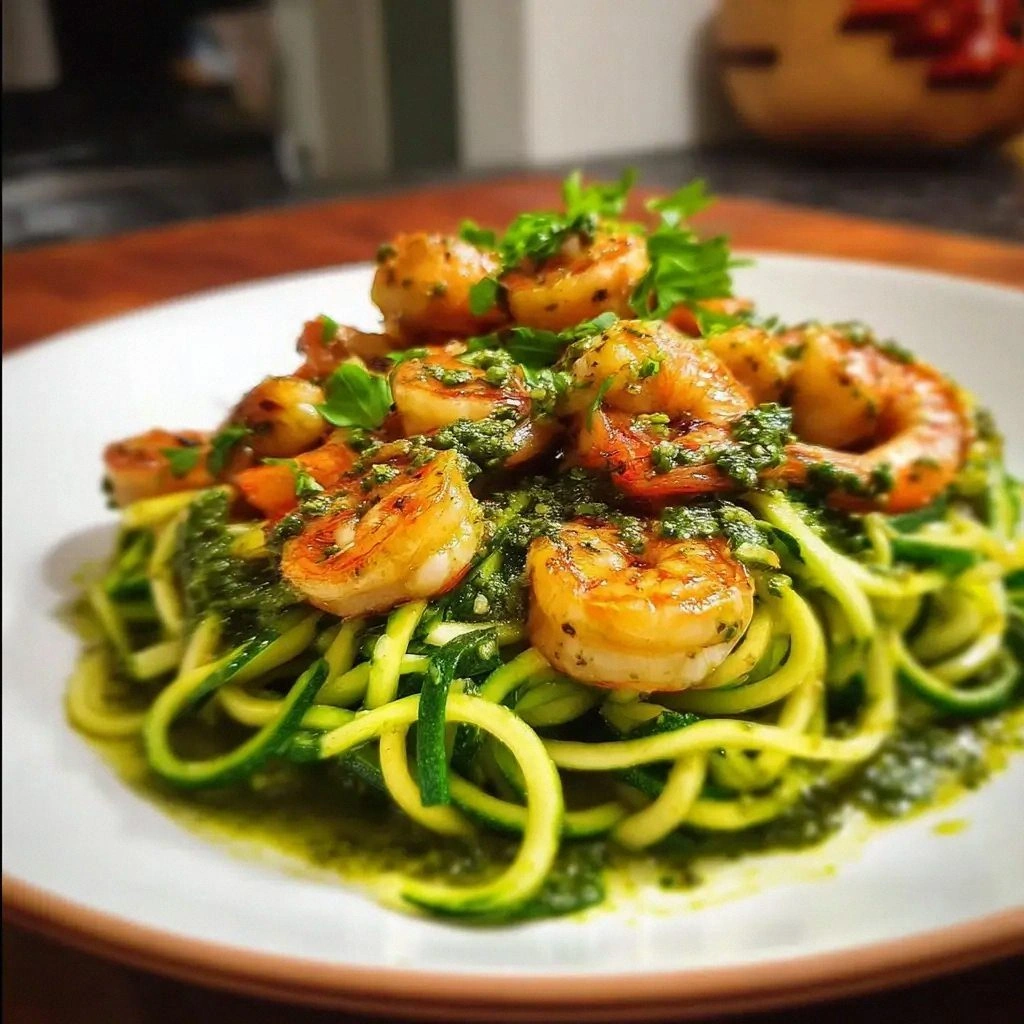
Picture this: a rainy Thursday evening, the kind where the sky looks like it’s been painted with charcoal, and you’re stuck in the kitchen with a half‑finished bottle of wine and a gnawing craving for something that feels both comforting and luxurious. I was battling a stubborn sauce that kept turning grainy, the kind of culinary nightmare that makes you swear off Italian forever. Then, in a moment of sheer desperation (and a dash of reckless optimism), I tossed a knob of butter straight into the pan, added a flood of garlic, and let the aromas explode like fireworks. The result? A silky, buttery sauce that clung to each strand of capellini like a lover refusing to let go.
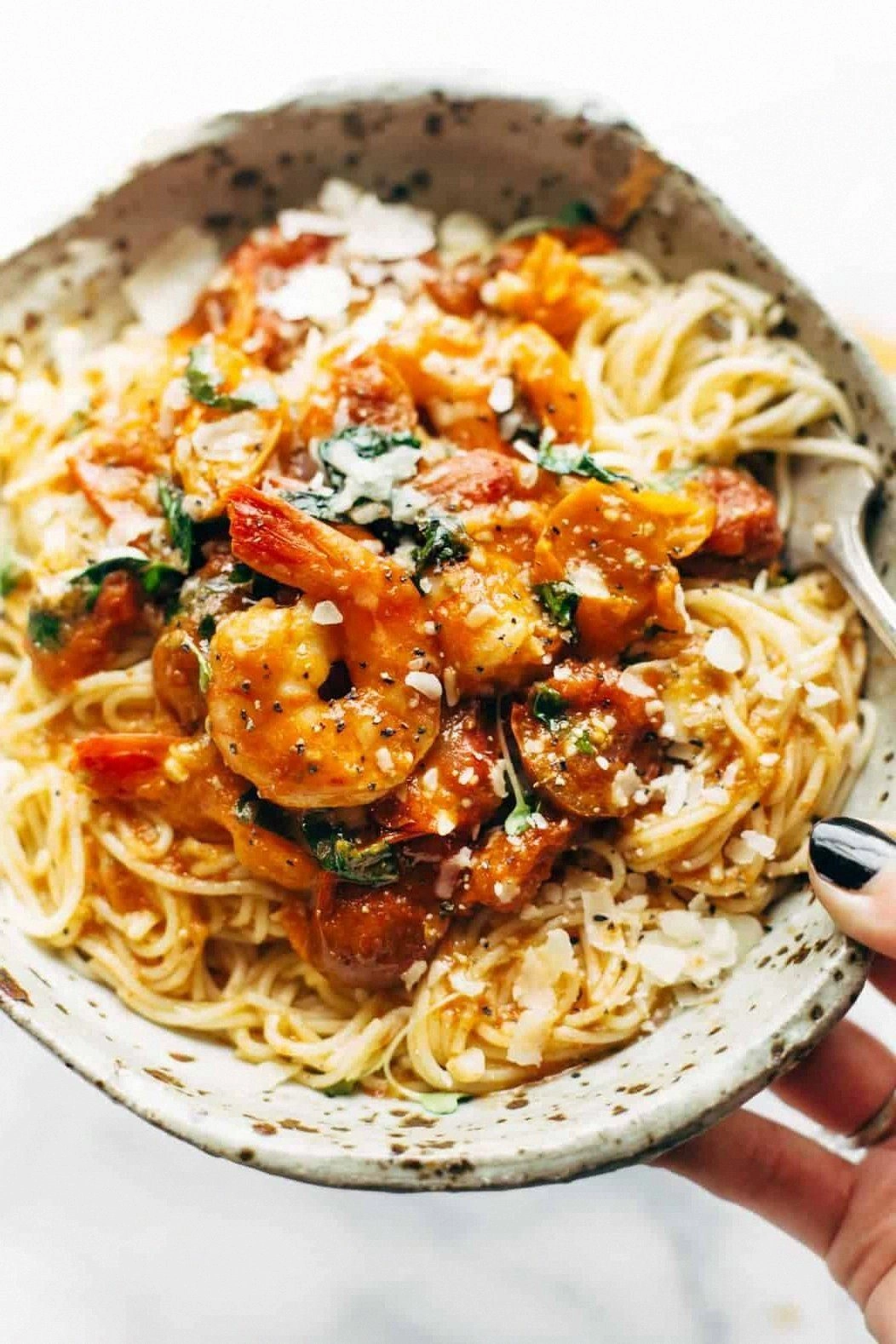
The first bite was a revelation. The fragrant garlic hit the palate with the punch of a well‑timed drumroll, while the butter melted into a glossy veil that made the delicate pasta glisten like sunrise on a glassy lake. The cherry tomatoes burst open, releasing a sweet‑tart juice that cut through the richness, and the fresh basil added a bright, herbaceous finish that felt like a cool breeze after a summer storm. The texture was a perfect paradox: the capellini was feather‑light yet held its shape, the butter sauce was luxurious without being greasy, and the occasional pop of shrimp (if you dare) added a satisfying snap that made each forkful an adventure.
Most recipes for garlic butter pasta either drown the noodles in a cloying butter swamp or skimp on the flavor, leaving you with a bland, one‑dimensional dish. This version flips the script: I’ve balanced the butter with a splash of olive oil to keep the sauce bright, used high‑quality cherry tomatoes for natural sweetness, and finished with a sprinkle of Parmesan that adds a subtle umami depth. The secret weapon? A quick deglaze with a splash of white wine that lifts the browned bits off the pan, turning them into pure flavor gold. Trust me, this is hands down the best version you'll ever make at home.
And now, the kicker: I’m about to reveal a technique most home cooks overlook — the “cold‑water shock” for the capellini. By rinsing the cooked pasta under a brief stream of icy water before tossing it in the pan, you lock in the perfect al dente bite and prevent the noodles from continuing to cook in the residual heat. I dare you to taste this and not go back for seconds. Let me walk you through every single step — by the end, you'll wonder how you ever made it any other way.
What Makes This Version Stand Out
- Flavor Explosion: The combination of butter, olive oil, and a splash of white wine creates a sauce that coats the pasta like velvet, delivering a layered taste that evolves with every bite.
- Texture Harmony: Capellini stays feather‑light thanks to the cold‑water shock, while the butter sauce adds a silky mouthfeel without turning greasy.
- Simplicity: Fewer than ten ingredients and a single pan make this dish approachable for even the most timid home chef.
- Ingredient Quality: Using ripe cherry tomatoes and fresh basil elevates the dish from ordinary to restaurant‑worthy.
- Crowd Reaction: Guests invariably ask for the recipe, and the optional shrimp turns it into a show‑stopper for dinner parties.
- Make‑Ahead Potential: The sauce can be prepared ahead of time, and the pasta re‑unites beautifully when you’re ready to serve.
Alright, let's break down exactly what goes into this masterpiece...
Inside the Ingredient List
The Flavor Base
Unsalted Butter (4 tbsp): Butter is the heart of this sauce, providing richness and a silky texture that embraces each noodle. If you substitute with margarine, you’ll lose that buttery depth and introduce unwanted off‑flavors. For a dairy‑free twist, try a high‑quality vegan butter, but expect a slightly different mouthfeel.
Extra‑Virgin Olive Oil (2 tbsp): The olive oil brightens the sauce, cutting through the butter’s richness and adding a fruity note. Using a low‑quality oil will make the sauce feel heavy and flat. Look for a cold‑pressed, first‑press oil for the best aroma.
Garlic (4 cloves, minced): Garlic brings a pungent, aromatic backbone that awakens the senses the moment it hits the pan. Overcooking turns it bitter, so keep the heat moderate. If you’re sensitive to raw garlic’s bite, try roasting the cloves first for a sweeter, mellow profile.
The Texture Crew
Capellini (12 oz): Angel hair pasta cooks in a flash, giving you that ethereal, melt‑in‑your‑mouth texture. Undercooking leaves it rubbery; overcooking makes it mushy. The secret is to cook it al dente, then shock it in ice water to halt the process.
Cherry Tomatoes (2 cups, halved): Their natural acidity balances the butter, while their juices create a light, fragrant sauce without the need for canned tomatoes. If out of season, substitute with vine‑ripe plum tomatoes, but chop them finer for a similar burst.
Fresh Basil (¼ cup, torn): Basil injects a fresh, peppery lift that brightens the dish just before serving. Adding it too early dulls its flavor; wait until the very end for maximum impact.
The Unexpected Star
Shrimp (8 oz, peeled and deveined, optional): Shrimp adds a sweet, briny pop that transforms the dish from a simple pasta into a surf‑and‑turf delight. If you prefer a vegetarian version, replace with sautéed mushrooms for an earthy twist.
White Wine (¼ cup, dry): The wine deglazes the pan, dissolving the caramelized garlic bits and turning them into a glossy sauce. Skip it and the sauce will lack that bright, acidic lift; you can swap with a splash of chicken broth for a non‑alcoholic version.
The Final Flourish
Parmesan Cheese (¼ cup, grated): Parmesan adds a salty, nutty depth that rounds out the flavors. Freshly grated is essential; pre‑grated varieties contain anti‑caking agents that prevent the cheese from melting smoothly.
Salt (½ tsp, or to taste) & Black Pepper (¼ tsp, freshly ground): Simple seasonings that amplify every other ingredient. Taste as you go, because the butter and cheese already bring a good amount of saltiness.
Everything's prepped? Good. Let's get into the real action...
The Method — Step by Step
Bring a large pot of heavily salted water to a rolling boil. Add the capellini and stir immediately to prevent sticking. Cook for 2‑3 minutes, or until just shy of al dente; the pasta should still have a slight bite. Drain, then immediately plunge the noodles into a bowl of ice water for 30 seconds, watching the steam rise as the water turns cloudy. This cold‑water shock locks in texture and stops the cooking process, ensuring the pasta stays perfectly tender when it meets the sauce later.
While the pasta cools, heat a wide sauté pan over medium‑high heat. Add the butter and olive oil, letting the butter foam and turn a light golden hue. As soon as the butter stops foaming, toss in the minced garlic. You’ll hear a gentle sizzle that fills the kitchen with an intoxicating aroma; this is the moment the flavor foundation is built.
Kitchen Hack: Add the garlic just before the butter starts to brown; this prevents the garlic from burning and turning bitter, preserving its sweet, aromatic profile.When the garlic is fragrant (about 30 seconds), pour in the white wine. Listen for the fizz as the liquid deglazes the pan, lifting those caramelized bits off the bottom. Let the wine reduce by half, which should take about 2 minutes; you’ll notice the sauce thickening and the alcohol scent fading, leaving behind a subtle fruitiness that brightens the entire dish.
Drop the halved cherry tomatoes into the pan, stirring gently to coat them in the buttery wine reduction. Cook for 3‑4 minutes, allowing the tomatoes to soften and release their juices, creating a natural, slightly acidic base. The tomatoes should start to blister at the edges, giving you that sweet‑tart burst of flavor with each bite.
If you’re adding shrimp, now’s the time. Season the shrimp lightly with salt and pepper, then nestle them into the pan. Cook for 2‑3 minutes per side, watching them turn a vivid pink and curl into a gentle “C” shape. Watch Out: Overcooking shrimp turns them rubbery; they’re done the instant they lose their translucent look.
Watch Out: If you add the shrimp too early, they’ll release moisture that dilutes the sauce. Keep them sizzling at the edge of the pan for the best texture.Now, lift the capellini from the ice water, allowing excess water to drain but keeping the noodles slightly damp. Toss the pasta into the pan, using tongs to lift and fold it into the sauce. The butter should melt instantly, coating every strand in a glossy sheen. If the sauce looks too thick, splash in a splash of the reserved pasta cooking water; the starches will help bind the sauce to the noodles.
Stir in the torn basil leaves, letting their fragrant oils mingle with the butter and tomatoes. Sprinkle the grated Parmesan over the top, watching it melt into a creamy veil that binds everything together. Taste and adjust seasoning with a pinch more salt or pepper if needed. The final sauce should have a balanced richness, a bright acidity from the tomatoes, and a herbal lift from the basil.
Remove the pan from heat and let the pasta rest for a minute. This brief pause allows the flavors to meld, creating a harmonious bite where butter, garlic, and tomato sing together. Serve immediately, garnishing with an extra drizzle of butter or a final crack of black pepper if desired. That sizzle when it hits the pan? Absolute perfection.
That’s it — you did it. But hold on, I've got a few more tricks that'll take this to another level. Stay with me here — this is worth it.
Insider Tricks for Flawless Results
The Temperature Rule Nobody Follows
Most home cooks keep the heat on “medium” and hope for the best. In reality, a steady medium‑high flame gives the butter a chance to brown just enough to develop nutty notes without burning. Keep a close eye; once the butter starts to turn a light amber, lower the heat just a notch. This subtle temperature dance creates a sauce that’s richer and more complex.
Why Your Nose Knows Best
Never underestimate the power of scent. When the garlic hits the pan, the aroma will shift from sharp to sweet within seconds. If you notice a faint burnt smell, it’s a signal to pull the pan off the heat immediately. Trusting your nose prevents a ruined sauce and ensures the garlic stays mellow and fragrant.
The 5‑Minute Rest That Changes Everything
After tossing the pasta with the sauce, let it sit off the heat for exactly five minutes. This rest allows the starches from the pasta to absorb the butter‑wine mixture, turning a thin coating into a velvety embrace. I once skipped this step and ended up with a watery dish; the difference is night and day.
Salt Timing Mastery
Season the pasta water heavily — it should taste like the sea. This is the first layer of flavor that permeates the noodles. Then, add a pinch of salt to the sauce just before finishing; it fine‑tunes the balance without making the dish overly salty. Over‑salting is a common pitfall that can mask the delicate basil notes.
Butter‑Oil Balance
Using equal parts butter and olive oil isn’t arbitrary; the oil raises the smoke point, while the butter provides flavor. If you’re using a low‑smoke‑point butter, the oil protects it from scorching, ensuring a smooth, glossy sauce. Skipping the oil leads to a burnt butter taste that no amount of herbs can fix.
Creative Twists and Variations
This recipe is a playground. Here are some of my favorite ways to switch things up:
Spicy Chili‑Lime Kick
Swap the basil for a handful of cilantro, add a pinch of red pepper flakes, and finish with a squeeze of fresh lime juice. The heat and citrus brighten the buttery base, making it perfect for summer evenings.
Earthy Mushroom Medley
Leave out the shrimp and sauté a mix of cremini, shiitake, and oyster mushrooms in the butter‑oil combo. The mushrooms soak up the sauce, adding an umami depth that rivals the original version.
Herb‑Infused Parmesan
Mix the grated Parmesan with finely chopped thyme and oregano before sprinkling it over the pasta. The herb‑infused cheese adds a fragrant, savory layer that elevates the dish to a rustic Italian bistro vibe.
Roasted Red Pepper Swirl
Blend roasted red peppers into a smooth puree and stir it into the sauce after deglazing. The sweet, smoky notes complement the garlic butter while giving the dish a gorgeous ruby hue.
Vegan Dream
Replace butter with a plant‑based alternative, use nutritional yeast instead of Parmesan, and swap shrimp for marinated tofu cubes. The result is a creamy, dairy‑free version that still delivers that luxurious mouthfeel.
Chunky Veggie Boost
Add diced zucchini, yellow squash, and bell peppers alongside the tomatoes. The extra veggies bring color, crunch, and additional nutrients, turning the dish into a wholesome, balanced meal.
Storing and Bringing It Back to Life
Fridge Storage
Cool the pasta to room temperature, then transfer it to an airtight container. It will keep nicely for up to 3 days. When you’re ready to eat, gently reheat in a skillet with a splash of water or broth, stirring until the sauce regains its silkiness.
Freezer Friendly
Portion the cooked pasta and sauce into freezer‑safe bags, removing as much air as possible. Freeze for up to 2 months. To reheat, thaw overnight in the fridge, then warm in a pan with a tablespoon of butter and a splash of water, allowing the sauce to re‑emulsify.
Best Reheating Method
The secret to reviving this dish is steam. Add a tiny splash of water (or broth) to the pan before heating, cover for a minute, and watch the steam bring the sauce back to life. This prevents the noodles from drying out and restores the buttery gloss.