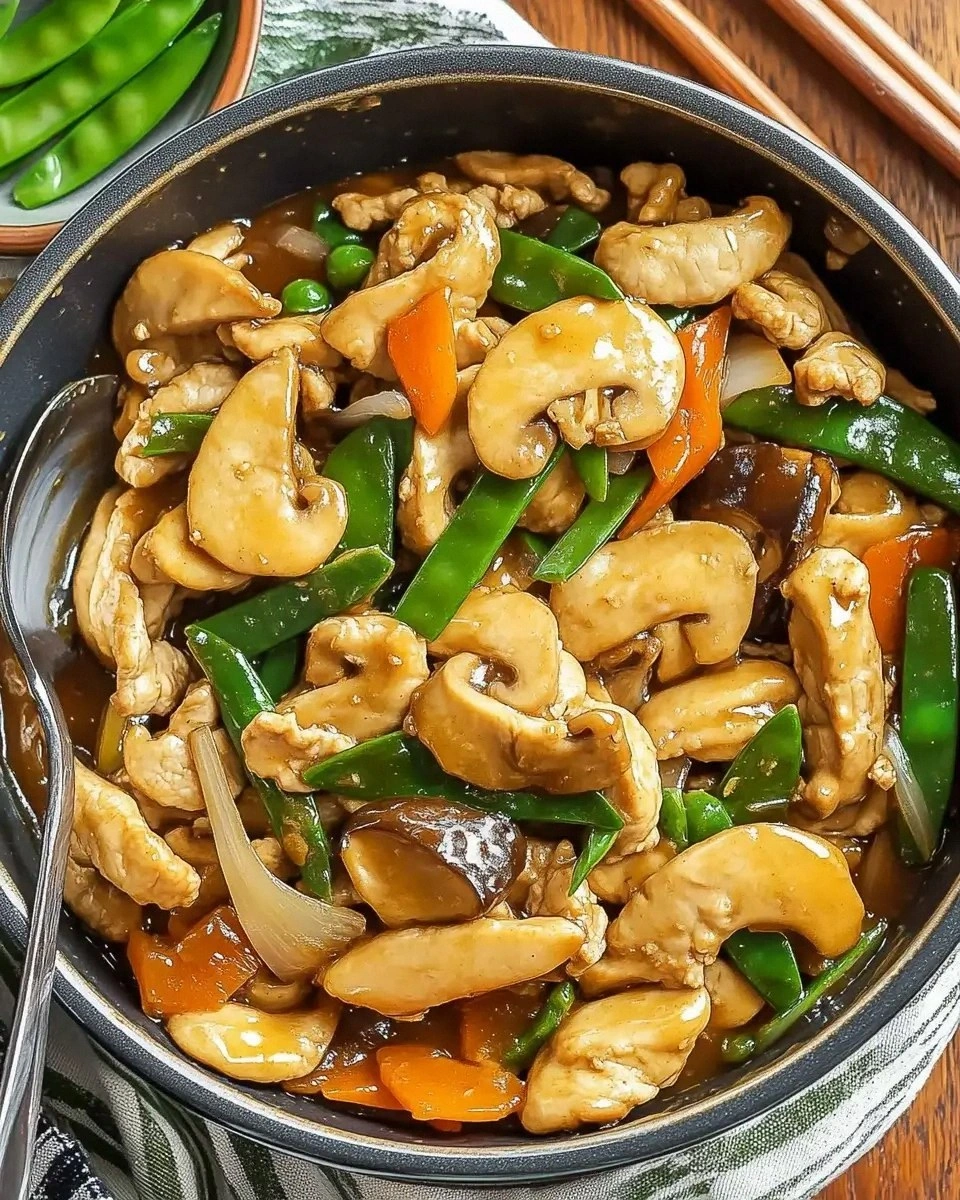
I was standing in my kitchen, half‑heartedly scrolling through a dozen take‑out menus, when my roommate shouted, “You’ve got to try making Moo Goo Gai Pan at home!” I laughed, grabbed a bag of frozen veggies, and tossed a chicken breast into the pan. Within minutes the kitchen was a chaotic orchestra of sizzling, the air thick with a sweet‑savory perfume that made my stomach growl louder than a freight train. The first bite was a revelation – tender chicken, crisp‑tender vegetables, and a glossy sauce that clung to everything like a silk scarf on a breezy day. That moment sparked a daring promise: I would perfect this dish, strip away the restaurant fluff, and serve up a version that’s not only healthier but also ridiculously easy.
Fast forward a few weeks of trial, error, and a few accidental “oops, I added way too much ginger” moments, and I finally nailed a recipe that feels like a hug from a culinary aunt who knows exactly how you like your food. Most versions I’ve tried either drown the chicken in a syrupy glaze or leave the veggies soggy and sad. My version, however, balances the umami of soy and oyster sauce with the bright snap of snow peas, while a whisper of sesame oil finishes it with a nutty kiss. The secret? A quick cornstarch slurry that gives the sauce that glossy, restaurant‑quality sheen without any hidden thickeners.
I dare you to taste this and not go back for seconds. I’ll be honest — I ate half the batch before anyone else got a chance to try it, and that’s a testament to how addictive this dish can be. Most recipes get the texture completely wrong. Here’s what actually works: a hot wok, a short, furious stir‑fry, and a disciplined timing that keeps the chicken juicy and the vegetables bright. Picture yourself pulling this out of the pan, the whole kitchen smelling incredible, steam curling up like a lazy cat, and a glossy sauce glistening on every bite.
Ready for the game‑changer? I’m about to spill the beans (and the ginger) on a technique that will elevate your stir‑fry from “good enough” to “hands down the best version you’ll ever make at home.” Let me walk you through every single step — by the end, you’ll wonder how you ever made it any other way.
What Makes This Version Stand Out
- Flavor: The combination of soy, oyster, and a splash of sesame oil creates a deep, layered umami that feels like a hug for your taste buds.
- Texture: Crisp‑tender veggies meet buttery‑soft chicken, all coated in a sauce that clings like velvet without turning gummy.
- Simplicity: Fewer than fifteen ingredients and a single pan mean you can pull this off on a weeknight without a grocery run.
- Uniqueness: The cornstarch slurry is the secret weapon that gives the sauce that glossy restaurant finish.
- Crowd Reaction: Even the picky eaters at my table ask for seconds, and the kids can’t get enough of the sweet‑savory glaze.
- Ingredient Quality: Using fresh ginger and high‑quality soy sauce makes a world of difference – you’ll taste the difference instantly.
- Cooking Method: A high‑heat stir‑fry locks in moisture, keeping the chicken juicy and the vegetables vibrant.
- Make‑Ahead Potential: The sauce stores beautifully, so you can prep it in advance and finish the dish in minutes.
Inside the Ingredient List
The Flavor Base
The trio of soy sauce, oyster sauce, and sesame oil creates a depth that mimics the complex broths you’d find in a Chinese restaurant. Soy sauce brings salty umami, oyster sauce adds a subtle sweetness and marine richness, while sesame oil finishes with a nutty aroma that lingers on the palate. If you skip the oyster sauce, the dish loses that delicate sweet‑savory balance and can taste a bit flat.
The Texture Crew
Vegetable oil is the neutral carrier that lets the aromatics bloom without imparting extra flavor. The combination of mushrooms, broccoli, bell peppers, and snow peas gives you a spectrum of textures: meaty, crunchy, and juicy all at once. Should you find fresh snow peas out of season, frozen peas work fine – just thaw and dry them thoroughly to avoid excess water.
The Unexpected Star
Fresh ginger is the unsung hero that adds a zingy brightness, cutting through the richness of the sauce. It also has anti‑inflammatory properties, making this dish not just tasty but also a little healthier. If ginger isn’t your thing, a pinch of ground ginger can substitute, but you’ll lose that aromatic snap.
The Final Flourish
Cornstarch, dissolved in chicken broth, is the magic slurry that thickens the sauce instantly, giving it that glossy finish. The broth itself adds depth without extra fat, and the tiny amount of sesame oil at the end lifts the whole dish. Salt and pepper are left to taste, allowing you to control the final seasoning based on the saltiness of your soy sauce.
Everything's prepped? Good. Let’s get into the real action…
The Method — Step by Step
Start by slicing the boneless chicken into bite‑size strips. Pat the pieces dry with paper towels – moisture is the enemy of a good sear. Toss the chicken lightly with a pinch of salt and pepper, then set aside. This brief seasoning ensures every bite is seasoned from the inside out.
In a small bowl, whisk together the cornstarch and chicken broth until smooth; this is your slurry. The slurry should be free of lumps – think of it as a silky veil that will later coat the sauce.
Kitchen Hack: Use a fork instead of a whisk for the slurry; it creates fewer bubbles and a smoother finish.Heat a large wok or skillet over medium‑high heat and add the vegetable oil. When the oil shimmers, drop in the minced garlic and grated ginger. The moment they hit the pan, you’ll hear a satisfying sizzle that signals the aromatics are waking up. Stir constantly for about 30 seconds until fragrant but not browned.
Now, add the chicken strips in a single layer. Let them sear untouched for 1‑2 minutes; you’ll see the edges start to turn opaque and the bottom develop a light caramel color.
Flip the pieces and cook for another minute until the chicken is just cooked through but still juicy.Watch Out: Overcrowding the pan drops the temperature, causing the chicken to steam instead of sear. Work in batches if necessary.Time to bring in the vegetables. Toss in the mushrooms, broccoli florets, bell pepper strips, and snow peas. Stir‑fry for 3‑4 minutes, letting the heat crisp the edges while keeping the cores bright and crunchy. This is the moment where the dish builds its signature texture contrast.
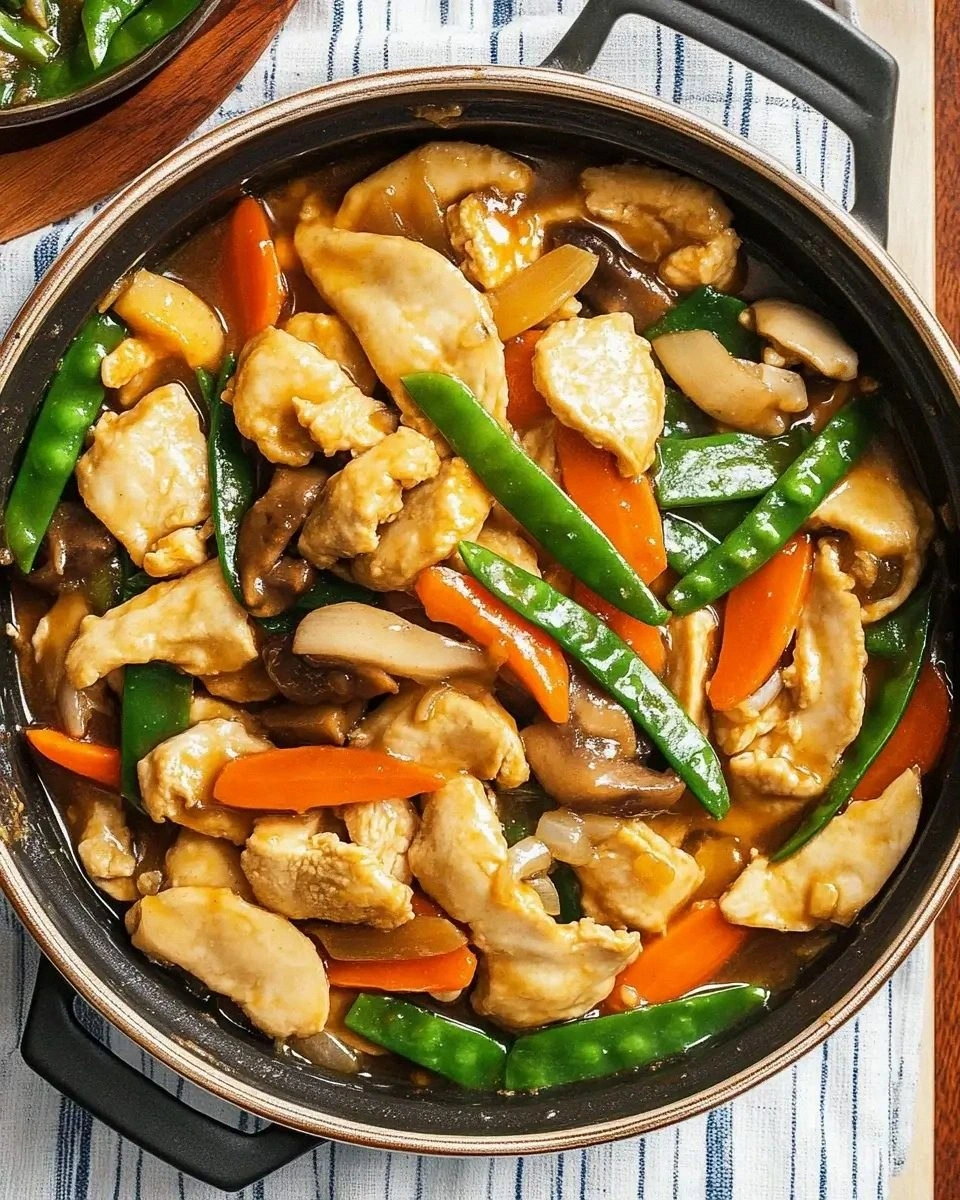
Stir in the soy sauce, oyster sauce, and the prepared slurry all at once. The sauce will instantly bubble and thicken, coating every piece like a glossy veil. Reduce the heat to low and let everything simmer for another 2 minutes, allowing the flavors to meld.
Kitchen Hack: Finish with a drizzle of sesame oil right before serving to preserve its delicate aroma.Give the dish a final taste and adjust with extra salt, pepper, or a splash more soy sauce if you like it saltier. The sauce should be glossy, slightly thick, and cling to the chicken and veggies without pooling. Turn off the heat, give everything a quick toss, and let it rest for 30 seconds – this helps the sauce settle.
Serve the Moo Goo Gai Pan over a bed of steamed white or brown rice. The rice acts like a neutral canvas, soaking up the remaining sauce and turning each bite into a harmonious bite‑sized symphony. That sizzle when it hits the pan? Absolute perfection.
That’s it — you did it. But hold on, I’ve got a few more tricks that’ll take this to another level, because why settle for good when you can have legendary?
Insider Tricks for Flawless Results
The Temperature Rule Nobody Follows
A scorching wok is the secret weapon. If the pan isn’t hot enough, the chicken releases water and ends up soggy. I once tried a “low‑and‑slow” approach and the sauce turned into a watery mess. Crank the heat, and you’ll hear that satisfying sear that locks in juices.
Why Your Nose Knows Best
Don’t rely solely on timers; trust the aroma. When the garlic and ginger turn golden and release that sweet, peppery scent, you know the flavor base is ready. If the smell is still sharp, give it another 10 seconds – the difference between “good” and “wow” is often a whiff away. My friend once rushed this step and ended up with a bitter bite; the lesson? Patience pays off in flavor.
The 5‑Minute Rest That Changes Everything
After you finish cooking, let the dish sit off the heat for exactly five minutes. This short rest lets the cornstarch‑based sauce fully gelatinize, giving it that luxurious cling‑to‑everything texture. Skipping this step leaves the sauce a little thin and the chicken slightly less tender. Trust me, those five minutes are worth the wait.
Veggie Timing Mastery
Different vegetables need different cook times. Mushrooms love a quick high‑heat sear, while broccoli florets benefit from a minute of steam‑like coverage. Adding everything at once leads to uneven textures – a common pitfall I’ve seen many novices make. Keep a mental note of each veg’s ideal time and add them in stages for that perfect crunch‑and‑soft combo.
Sauce Rescue Plan
If the sauce thickens too much before you’ve finished stir‑frying, simply whisk in a splash of extra chicken broth or water. The sauce will loosen instantly, and the flavor won’t be diluted. This trick saved my dinner once when I mis‑calculated the cornstarch ratio. Remember, a thin sauce is easier to fix than a dry, stuck‑on one.
Creative Twists and Variations
This recipe is a playground. Here are some of my favorite ways to switch things up:
Spicy Szechuan Kick
Add a teaspoon of Szechuan peppercorn oil and a pinch of dried red chili flakes to the sauce. The result is a tongue‑tingling heat that pairs beautifully with the sweet soy base. Perfect for anyone who likes a little fire without overwhelming the dish.
Coconut Curry Fusion
Swap half the chicken broth for coconut milk and stir in a tablespoon of red curry paste. This creates a creamy, aromatic twist that feels like a tropical vacation in a bowl. Serve over jasmine rice for an extra layer of fragrance.
Nutty Cashew Crunch
Throw in a handful of roasted cashews during the final stir. The nuts add a buttery crunch that contrasts the tender chicken and crisp veggies, while also boosting the protein content. It’s a textural surprise that even picky eaters adore.
Vegetarian Delight
Replace the chicken with firm tofu cubes or tempeh, and use vegetable broth instead of chicken broth. The same sauce works wonders with plant‑based proteins, delivering a satisfying bite without sacrificing flavor.
Herb‑Infused Finish
Stir in a tablespoon of freshly chopped cilantro or Thai basil right before serving. The herbaceous note brightens the dish and adds a pop of color that makes the plate look restaurant‑ready.
Storing and Bringing It Back to Life
Fridge Storage
Allow the dish to cool to room temperature, then transfer it to an airtight container. It will keep fresh for up to three days. Reheat gently in a skillet over medium heat, adding a splash of water or broth to revive the glossy sauce.
Freezer Friendly
Portion the cooked chicken, veggies, and sauce into freezer‑safe bags, leaving a little headspace. Freeze for up to two months. To reheat, thaw overnight in the fridge, then stir‑fry over medium heat, again adding a dash of broth to loosen the sauce.
Best Reheating Method
The secret to a perfect reheated bite is steam. Place a tablespoon of water in the pan before adding the leftovers, cover with a lid, and heat for 3‑4 minutes. The steam gently revives the vegetables’ crunch and the sauce’s sheen without turning anything rubbery.